Portugal’s Ministry of Infrastructure has confirmed that 26 roads remain closed across the country due to severe weather conditions, disrupting travel and daily routines for thousands of residents. The closures, primarily in rural and mountainous regions, have been attributed to heavy rainfall and landslides, with the most affected areas including the northern regions of Braga and Viana do Castelo. The situation has raised concerns about emergency response and infrastructure resilience, particularly in communities reliant on road networks for essential services.
Severe Weather Strains Infrastructure
The recent storms have overwhelmed Portugal’s transportation network, with the Ministry of Infrastructure reporting that over 150 road segments were affected in the past week. In Viana do Castelo, local authorities have declared a state of emergency, as landslides blocked key routes leading to schools and hospitals. "The situation is critical in our region," said Ana Moreira, a local councilor in Viana do Castelo. "Families are struggling to reach basic services, and we are urgently calling for federal support."
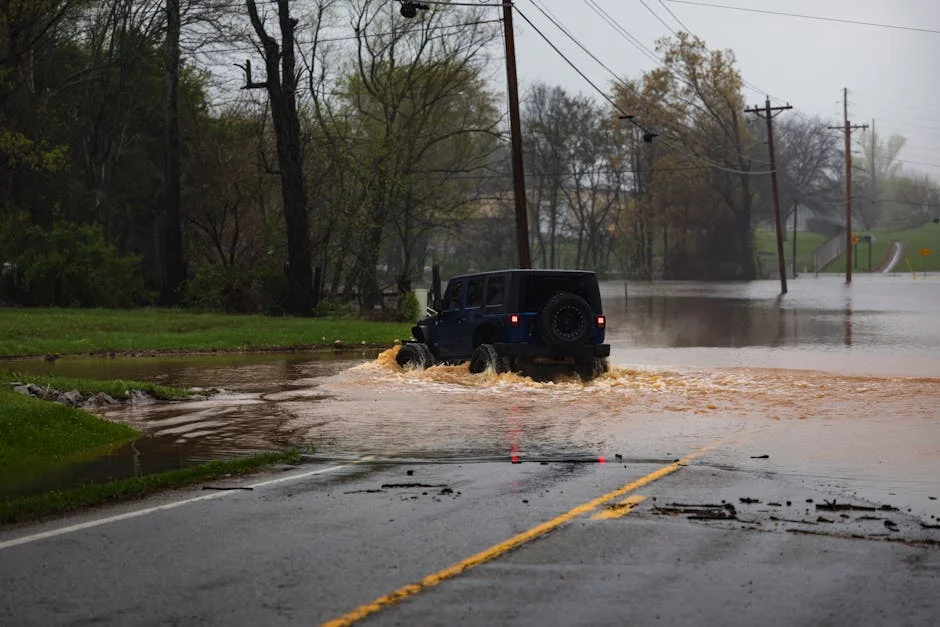
Infraestruturas, the state-owned infrastructure agency, has deployed teams to clear the most critical roads, but delays persist due to ongoing rain. The agency has also issued warnings to drivers to avoid non-essential travel, particularly in the north and central parts of the country. "We are working around the clock, but the weather is making our efforts extremely challenging," said a spokesperson for Infraestruturas.
Impact on Local Communities
The road closures have had a direct impact on daily life, with many residents unable to commute to work, access healthcare, or transport goods. In the village of Santa Catarina, located in the district of Braga, farmers have been unable to deliver produce to markets, leading to financial losses. "We rely on these roads to bring our crops to the city," said José Fernandes, a local farmer. "Without them, we’re stuck with no way to sell our goods."
Local businesses, especially those in tourism and agriculture, are also feeling the strain. In the coastal town of Matosinhos, which has seen reduced foot traffic due to road closures, shop owners are reporting a 30% drop in sales. "We’re worried about the long-term effects," said Maria Silva, a café owner. "If this continues, we may not survive the season."
Emergency Response and Public Concerns
The Portuguese government has launched an emergency response, with the National Civil Protection Authority coordinating efforts to assist affected communities. Rescue teams have been deployed to areas with the highest risk of landslides, and temporary shelters have been set up for displaced residents. However, many locals feel the response has been slow and insufficient.
Public frustration is growing, with social media platforms flooded with complaints about the lack of updates and inadequate support. "We need more transparency and faster action," said Ana Ferreira, a resident of Braga. "This isn’t just about roads — it’s about our safety and livelihoods."
Long-Term Infrastructure Challenges
Experts have pointed to the broader issue of aging infrastructure in Portugal, which has been exacerbated by climate change. A 2023 report by the European Commission highlighted that many of the country’s roads and bridges were built decades ago and are not equipped to handle extreme weather events. "This crisis is a wake-up call," said Dr. Luis Ferreira, a transport policy analyst. "Portugal needs to invest in modern, climate-resilient infrastructure to avoid future disasters."
Infraestruturas has acknowledged the need for long-term upgrades but has faced budget constraints. The agency’s 2024 infrastructure plan includes €200 million for road maintenance and improvements, but many argue this is not enough. "We need a comprehensive strategy that prioritises safety and sustainability," said Ana Moreira, the local councilor.
What Comes Next?
With the rainy season still underway, the situation remains uncertain. The Ministry of Infrastructure has pledged to monitor the weather closely and update the public on road conditions daily. Residents are advised to check official channels for the latest updates and avoid travel in high-risk areas.
Looking ahead, the government is expected to announce new funding initiatives for infrastructure upgrades by the end of the month. Meanwhile, local communities continue to rely on temporary solutions while hoping for a swift resolution to the crisis. For now, the people of Portugal are waiting for the roads to reopen and for a return to normalcy.