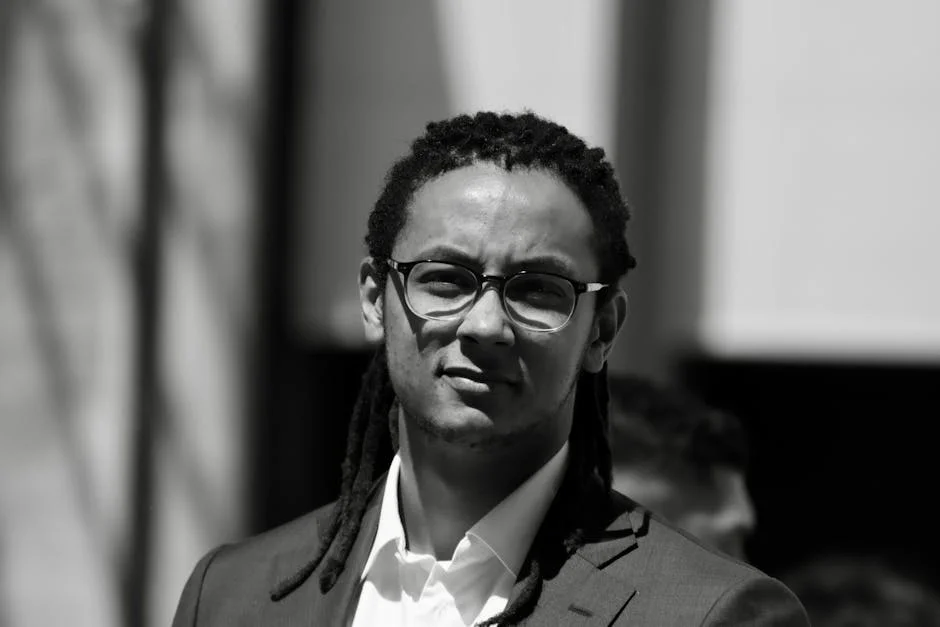
South African pastor Preez, a prominent figure in Johannesburg, has made headlines after allegedly predicting Elon Musk’s potential sanctions against the country, while also claiming that South Africa is facing missile attacks. The statements, made during a recent sermon, have sparked widespread discussion among locals, raising concerns about the impact on daily life and the economy in the region.
Local Reactions to Unusual Predictions
Preez, known for his bold public statements, delivered the remarks at a large congregation in Soweto, a densely populated area of Johannesburg. He claimed that Musk, the CEO of Tesla and SpaceX, would soon impose sanctions on South Africa, citing unspecified "economic threats" and "technological espionage." The pastor's words, while unverified, have drawn both support and skepticism from the public.

Residents in Johannesburg have expressed mixed feelings. Some see the warnings as a call for vigilance, while others dismiss them as sensationalism. “I don’t know if it’s true, but it’s strange that he would say this now,” said Thandiwe Mokoena, a local shop owner in Hillbrow. “If it’s true, it could affect us all—especially with the economy already struggling.”
Business owners in the area are particularly concerned. South Africa’s economy has been under pressure due to rising inflation and energy shortages. A potential sanction from a global tech giant like Musk could exacerbate the situation. “We’re already dealing with high costs and limited resources,” said David Nkosi, a small business owner in Sandton. “If anything changes, it could hit us hard.”
Speculation About Missile Attacks
In a separate but equally controversial claim, Preez also warned of missile attacks on South Africa. He described the threat as “imminent” and urged citizens to stay alert. While no official confirmation has been made, the statement has led to increased anxiety among residents, particularly in urban areas like Johannesburg and Pretoria.
Security experts have not commented on the missile claims, and there is no public evidence to support them. However, the timing of the statements has raised questions. Preez made the remarks amid heightened regional tensions, including recent border disputes and security concerns. “It’s hard to say if this is a genuine warning or just fear-mongering,” said Professor Sipho Mokoena, a political analyst at the University of Johannesburg. “But it’s clear that people are worried.”
The South African National Defence Force has not issued any statements regarding the claims. However, the military has been on high alert due to recent regional instability. “We are monitoring all threats, but there is no indication of any imminent danger,” said a spokesperson for the Defence Ministry.
Impact on Daily Life and Economy
The pastor’s statements have led to increased scrutiny of South Africa’s economic and security policies. Many residents are questioning how the government is responding to potential threats. “If there’s a real risk, we need to know,” said Lulama Mbeki, a student at the University of the Witwatersrand. “But if it’s just fear, we shouldn’t let it disrupt our lives.”
The local economy, already fragile, is sensitive to external pressures. South Africa’s trade with global tech firms is significant, and a potential sanction could impact key industries. “We’re already seeing higher costs for imported goods,” said Noma Mabaso, an economist based in Johannesburg. “If things worsen, it could lead to more job losses and inflation.”
Community leaders are urging calm and urging citizens to rely on verified information. “We need to be careful not to spread panic,” said Mpho Khumalo, a local councilor in Johannesburg. “If there’s any real threat, the authorities will act. Until then, we should focus on what we can control.”
What Comes Next?
As the situation unfolds, the public remains on edge. Preez has not provided further details on his claims, and no official response has been made by Musk or his companies. However, the statements have sparked a broader conversation about South Africa’s role in the global economy and its security posture.
Residents are watching closely for any developments. The next few weeks will be critical in determining whether the warnings are baseless or if there is a real threat on the horizon. “We’ll see what happens next,” said Thandiwe Mokoena. “For now, we just have to stay informed and prepared.”
As the debate continues, the focus remains on how South Africa’s citizens and communities will respond to any potential changes. With the economy already under pressure, any additional strain could have lasting effects. For now, the people of Johannesburg are waiting for clarity and hoping for stability.