Indian Oil Corporation Limited (IOCL) has assured the public that there will be no fuel shortage in India despite the ongoing crisis in the Middle East. The announcement comes as tensions in the region escalate, raising concerns about global supply chains. Punjab, a key state in northern India, is among those closely monitoring the situation, with fuel prices and availability under scrutiny.
IOCL's Assurance Amid Regional Uncertainty
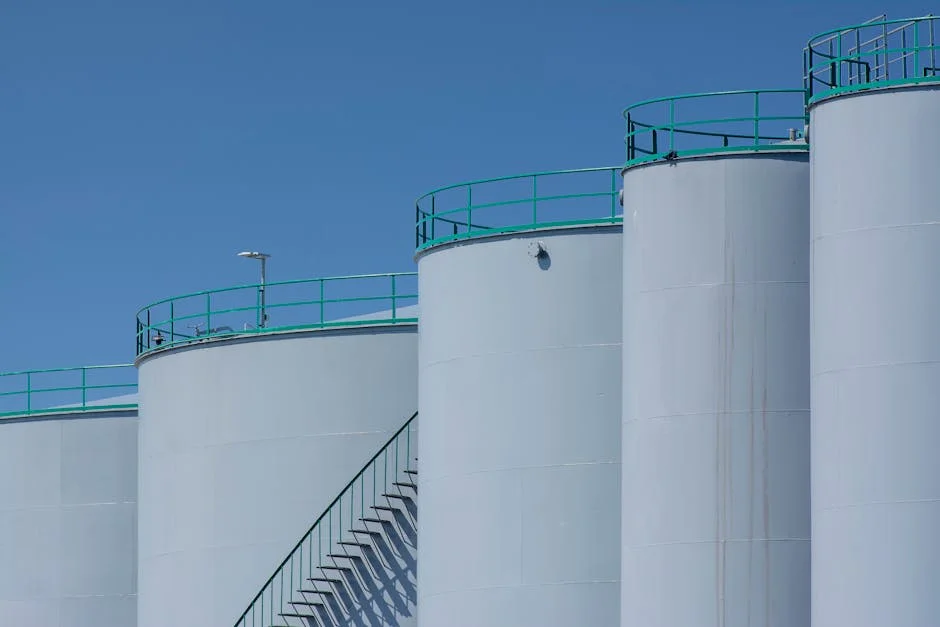
IOCL, India's largest state-owned oil company, has confirmed that its reserves are sufficient to meet demand for the next few months. The company's managing director, Ramesh Kumar, stated that no disruptions are expected in the supply of petrol and diesel. "We have a robust stockpile and are closely monitoring the situation," he said.
The Middle East, a major source of crude oil for India, has seen increased geopolitical tensions. The region supplies over 40% of India's total oil imports, making the situation a critical concern for energy security. Despite this, IOCL has maintained that the domestic supply chain is resilient and prepared for any shocks.
Impact on Local Communities
For citizens in Punjab, the assurance from IOCL has brought some relief. The state, known for its agricultural and industrial activity, relies heavily on fuel for transportation and machinery. "We were worried about rising prices, but IOCL's statement has eased our concerns," said Rajesh Sharma, a farmer from Ludhiana.
Local businesses, particularly those in the transport and logistics sectors, have also taken note. Fuel costs are a major expense for truck operators, and any disruption could have ripple effects on the economy. However, with IOCL's commitment to stability, many are hopeful that operations will continue without major hiccups.
Government and Industry Response
The Indian government has echoed IOCL's sentiments, stating that it is in constant communication with energy companies to ensure uninterrupted supply. The Ministry of Petroleum and Natural Gas has also advised citizens to remain calm and avoid panic buying.
Industry analysts suggest that while the current situation is manageable, long-term concerns remain. "The Middle East is a volatile region, and any further escalation could impact global prices," said Dr. Priya Mehta, an energy economist at the Indian Institute of Management. "India must continue to diversify its sources of crude oil."
Regional and Economic Implications
The Middle East crisis has already led to a 5% increase in global oil prices, according to the International Energy Agency. This has prompted some Indian states to consider temporary price caps on fuel. Punjab, however, has not yet implemented such measures, relying instead on IOCL's assurances.
Local fuel stations in the state have reported stable supplies, with no signs of long queues or shortages. "We have enough stock to last us through the week," said Anil Singh, a station owner in Patiala. "We are not seeing any unusual demand."
What to Watch Next
As the situation in the Middle East evolves, the focus will shift to how India manages its energy imports in the coming months. The government has already announced plans to boost domestic oil production and explore alternative sources. A key deadline is the next meeting of the Petroleum Planning and Analysis Cell, scheduled for mid-September, where officials will review the current supply chain status.
For now, citizens in Punjab and other regions can breathe easier, knowing that their fuel needs are being met. However, the broader implications of the Middle East crisis remain a concern, and vigilance is essential in the months ahead.