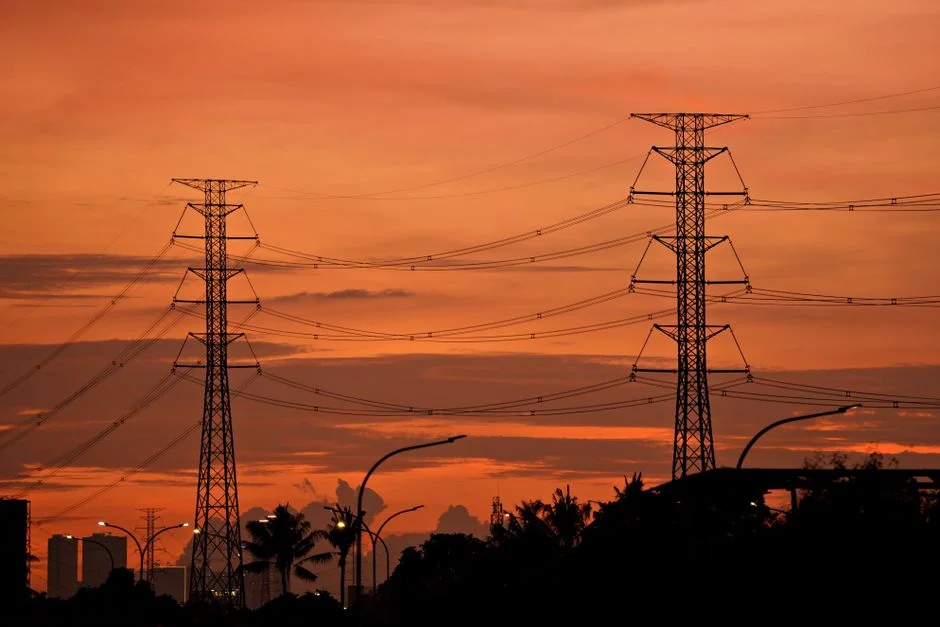
India's ambitious net zero goals have sparked a debate over whether affordable electricity should take precedence over renewable energy adoption. With the country's energy minister, R.K. Singh, highlighting the need for reliable power supply, the focus is shifting from clean energy alone to a more balanced approach that ensures uninterrupted electricity for millions. The push for net zero has seen a 40% increase in solar and wind capacity since 2020, but concerns are growing over power outages in states like Uttar Pradesh and Punjab.
Energy Policy Reforms Under Scrutiny
The Indian government has announced new guidelines to prioritise grid stability while expanding renewable energy. These measures include stricter regulations on power distribution companies and a revised tariff structure to ensure affordability. The reforms, however, have drawn criticism from environmental groups who argue that they may slow down the transition to cleaner energy sources. "We need to balance both clean and cheap power," said Anjali Sharma, a senior energy analyst at the Centre for Energy and Environment Research.
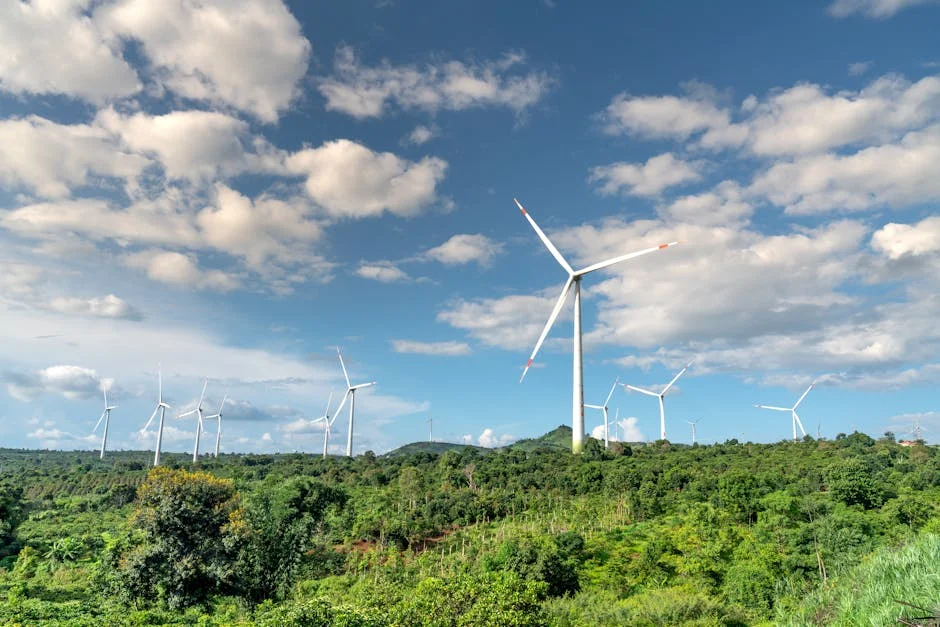
The National Thermal Power Corporation (NTPC) has pledged to invest ₹2.5 lakh crore in modernising its coal plants to make them more efficient. While this move is aimed at ensuring a stable power supply, it has raised questions about the long-term sustainability of India's energy strategy. In Delhi, where power cuts have been frequent in some areas, citizens are divided. "I don’t want to lose power during the monsoon season," said Ravi Kumar, a shopkeeper in East Delhi. "But I also worry about the environment."
Impact on Daily Life and Local Economies
Power outages have had a direct impact on small businesses and daily routines in several Indian cities. In Bhopal, for instance, a recent four-hour blackout disrupted operations at over 100 local shops and forced schools to close. "We lose a day’s income every time there's a power cut," said Meera Patel, a vendor at the city’s main market. "It’s not just about the money—it’s about the stress of not knowing when the lights will come back on."
The local economy in states like Odisha and Gujarat has also felt the effects. With industries relying heavily on uninterrupted electricity, frequent blackouts have led to production delays and increased costs. In Bhubaneswar, a textile factory reported a 20% drop in output due to power fluctuations. "We have to pay for backup generators, which increases our expenses," said Arun Mehta, the factory manager. "This cost is eventually passed on to the consumers."
Community Response and Public Debate
Community groups across India are now calling for more transparent energy planning. In Chennai, a local NGO has launched a campaign to raise awareness about power reliability and the importance of balancing clean and affordable energy. "People are tired of unreliable electricity," said Priya Iyer, the campaign lead. "We want a system that works for everyone, not just for the wealthy or the industrial sector."
Public forums and social media have become platforms for heated discussions on the topic. On Twitter, hashtags like #PowerForAll and #CleanAndCheap have trended in recent weeks. Many users argue that while the environment is important, the immediate need for reliable power cannot be ignored. "We can’t afford to choose between clean and cheap," said one user. "We need both."
Looking Ahead: A Critical Juncture for Energy Policy
The coming months will be crucial for India's energy policy. The government has set a target to achieve 50% renewable energy by 2030, but the challenge lies in ensuring that the power grid can handle the transition. A new energy summit in Mumbai in June will bring together stakeholders to discuss solutions. "This is a turning point," said Singh. "We need to make sure that our energy strategy is both sustainable and resilient."
For now, citizens and communities across the country are watching closely. With the monsoon season approaching and energy demand expected to rise, the pressure is on the government to deliver a balanced and reliable energy plan. As the debate continues, one thing is clear: the path to net zero must not come at the cost of daily life and economic stability.
See Also
- Sylvester Stallone's New Film Gets Major Release Date Shift
- Gunman Reveals 20-Year Plot to Kill Farooq Abdullah at Jammu Wedding: The Full Story
See AlsoSylvester Stallone's New Film Gets Major Release Date ShiftGunman Reveals 20-Year Plot to Kill Farooq Abdullah at Jammu Wedding: The Full Story In Chennai, a local NGO has launched a campaign to raise awareness about power reliability and the importance of balancing clean and affordable energy.
What is the latest news about indias energy shift sparks concerns over power stability?
Why does this matter for business-economy?
What are the key facts about indias energy shift sparks concerns over power stability?