South Koreans breathed a collective sigh of relief after a wolf that had escaped from Neukgu Zoo in Seoul was safely recaptured on Tuesday. The incident, which began on Saturday, sparked a citywide search and raised concerns about animal welfare and zoo security. The animal, a 3-year-old male named Nine, was returned to its enclosure without injury, according to the Seoul Metropolitan Government.
Escaped Wolf Sparks Citywide Search
The wolf, which had been part of a breeding program at the zoo, vanished from its enclosure on Saturday evening. Zoo officials confirmed the escape after a routine check and immediately alerted local authorities. Within hours, a team of wildlife officers, police, and volunteers launched a search operation across Neukgu and surrounding areas. The zoo, located in one of Seoul's most densely populated districts, became a focal point for public concern.
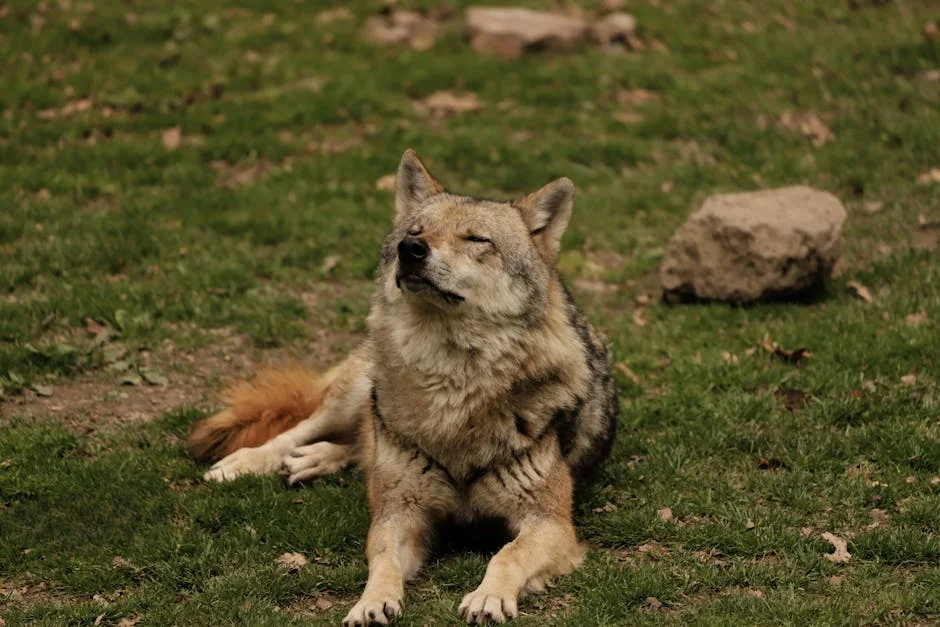
The search involved tracking devices and drones, with the Seoul Metropolitan Police Department coordinating efforts. The city's emergency response system was activated, and residents were advised to avoid areas where the wolf was believed to be hiding. “It was a tense few days for everyone,” said Park Min-jun, a local resident who helped in the search. “We just wanted to make sure the wolf was safe and that no one got hurt.”
Community Response and Public Anxiety
The incident quickly became a topic of discussion on social media, with hashtags like #NeukguWolf and #SeoulSafe trending. Many residents expressed concern over the zoo’s security measures, while others praised the swift response from authorities. “It’s reassuring to see how quickly the city acted,” said Lee Hae-won, a mother of two who lives near the zoo. “But it also makes you wonder if this could happen again.”
Local businesses in Neukgu reported a temporary drop in foot traffic during the search, with some shops closing early out of precaution. The zoo itself faced scrutiny, with critics questioning whether the enclosure was secure enough for large predators. “This incident highlights the need for stronger animal containment protocols,” said Dr. Kim Young-jin, a wildlife conservationist with the Korean Animal Welfare Association.
Impact on Zoo Operations and Animal Welfare
Following the incident, the Seoul Metropolitan Government announced a review of security measures at all city-run zoos. A spokesperson said, “We are taking this matter very seriously and will implement additional safeguards to prevent future incidents.” The zoo’s management has also launched an internal investigation into how the wolf escaped.
The incident has sparked a broader conversation about the balance between animal welfare and public safety. While the wolf was not harmed, some animal rights groups argue that keeping large predators in urban zoos is inherently risky. “Zoos must ensure that their enclosures are not only secure but also humane,” said Kang Soo-jin, a representative with the Korean Animal Rights Coalition.
Public Awareness and Future Precautions
As part of the response, the city has announced a public awareness campaign to educate residents on how to react if they encounter wild animals. This includes a mobile app that allows people to report sightings and receive real-time updates. The app, set to launch next month, will also provide safety tips for dealing with unexpected wildlife encounters.
Meanwhile, the zoo has pledged to enhance its surveillance systems and conduct regular safety drills. “We are committed to learning from this incident and ensuring that it never happens again,” said the zoo’s director, Mr. Park Sang-hoon. “Our priority is both the safety of our animals and the well-being of the community.”
Looking Ahead: What Comes Next?
With the wolf safely back in its enclosure, the focus now shifts to long-term reforms. The Seoul Metropolitan Government has set a deadline of next week for the release of a detailed report on the incident. The report will outline the root cause of the escape and propose new guidelines for zoo security. Meanwhile, residents remain vigilant, hoping that the incident will lead to lasting improvements in animal care and public safety.
The event has also prompted discussions about the role of zoos in urban environments. As Seoul continues to grow, the balance between conservation and community safety will remain a key issue for policymakers and citizens alike.