A 9-day search for a runaway wolf in South Korea has ended with its capture in the mountainous region of Gyeonggi Province, sparking concerns about wildlife management and public safety. The animal, believed to have escaped from a private breeding facility, was finally apprehended on Monday by a team from the Ministry of Environment. The incident has drawn attention from local communities, many of whom live near the area and now question the security of such facilities.
How the Wolf Went Missing
The wolf, identified as a male of the Canis lupus species, was reported missing on Monday from a facility in Yangju, Gyeonggi Province. Authorities confirmed the escape after receiving multiple sightings from nearby residents. The facility, which operates under a special permit for research and conservation, had not disclosed the exact reason for the wolf’s escape, but officials said it was likely due to a faulty enclosure. The incident has raised questions about the adequacy of safety measures at such sites.
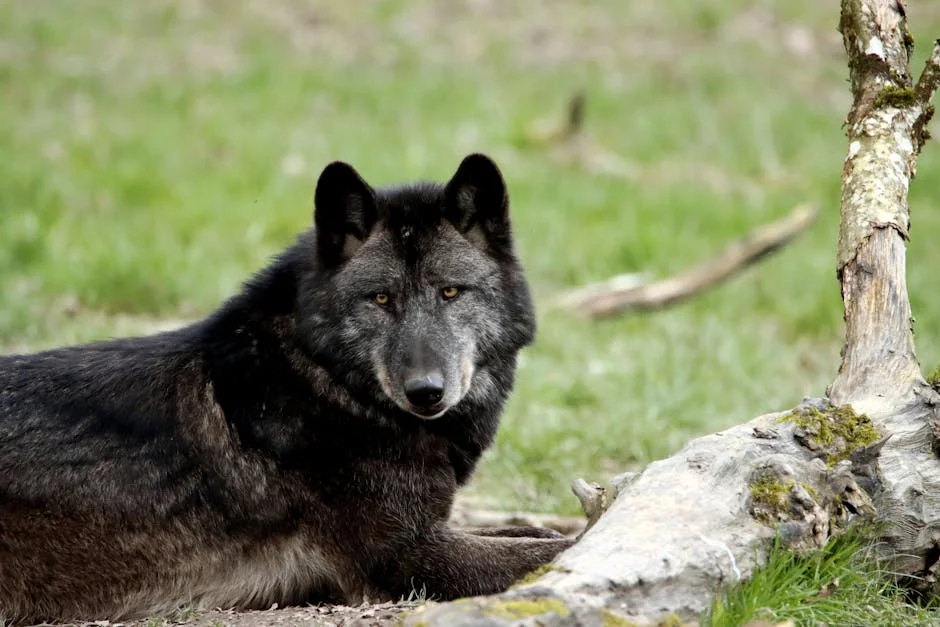
“This is a serious breach of protocol,” said Kim Min-jun, a spokesperson for the Ministry of Environment. “We are conducting a full investigation to understand how this happened and to prevent future incidents.” The facility, which is not publicly named, has been under scrutiny for its operations, with some local groups calling for stricter oversight.
Impact on Local Communities
Residents in Yangju and surrounding areas were placed on high alert during the search. Schools in nearby villages temporarily closed, and local authorities urged people to avoid the mountain trails. The community, which relies heavily on agriculture and tourism, expressed concern over the potential threat to livestock and the safety of children in the region.
“We live close to the forest, and this has made us uneasy,” said Park Soo-jin, a local farmer. “We don’t want to see any harm come to our animals or our children.” The incident has also prompted discussions about the role of private wildlife facilities in rural areas, with some residents calling for a review of their operations.
Wildlife Management in South Korea
South Korea has a long history of wildlife conservation efforts, but incidents like this highlight the challenges of balancing conservation with public safety. The country’s Ministry of Environment has faced criticism in the past for its handling of similar cases, including the escape of a leopard from a zoo in 2020. In response, the ministry has announced plans to conduct a nationwide review of wildlife facilities, starting with those in Gyeonggi Province.
“We need to ensure that these facilities are not only safe for the animals but also for the people living nearby,” said Dr. Lee Yoon-ho, a wildlife biologist at Seoul National University. “This incident is a wake-up call for better regulation and transparency.” The review is expected to include new safety standards and stricter licensing requirements for private wildlife facilities.
Community Response and Future Steps
Local leaders have called for increased collaboration between wildlife authorities and residents. In Yangju, a community meeting was held last week to address concerns and gather input on how to prevent future incidents. Some residents have proposed the creation of a local wildlife monitoring group to act as a liaison between the community and the Ministry of Environment.
“We want to be part of the solution,” said Park Soo-jin, the farmer. “If we can help monitor the area and report any unusual activity, that would give us more confidence.” The ministry has agreed to consider the proposal and is working on a plan to integrate community input into its future policies.
What to Watch Next
The Ministry of Environment is expected to release its findings from the investigation into the wolf’s escape within the next two weeks. A public hearing on the future of wildlife facilities in South Korea is also scheduled for early next month. Residents and advocacy groups are closely monitoring these developments, hoping for stronger safeguards and greater transparency.
For now, the capture of the wolf marks the end of a tense chapter for the region. But the incident has left a lasting impact, prompting a broader conversation about wildlife management and the responsibilities of those who house and care for animals in the wild.