Thousands of Moroccans gathered in Rabat on Monday to protest Israel’s new death penalty law, which was passed by the Israeli Knesset on Saturday. The demonstration, led by Palestinian solidarity groups, demanded an end to what they called a “dangerous escalation” in Israel’s approach to security and justice. The law, which allows for the death penalty in cases of terrorism and serious crimes, has drawn sharp criticism from international human rights organizations and regional allies.
Protesters Demand Justice for Palestinians
The rally, held in front of the Moroccan Ministry of Foreign Affairs, was organized by the Palestinian Solidarity Association of Morocco (PSAM). Members of the group carried banners with messages such as “No to the Death Penalty” and “Justice for Palestine.” The demonstration reflected growing public sentiment in Morocco against what many see as an unjust legal framework that disproportionately affects Palestinians.
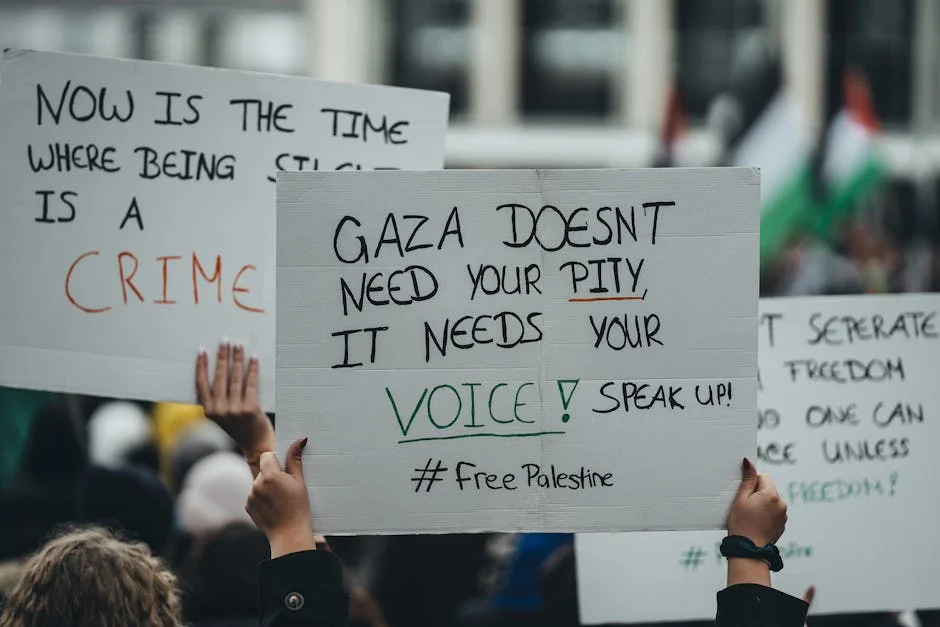
“This law is not just about Israel—it’s about the future of Palestinians,” said Layla Al-Khatib, a spokesperson for PSAM. “It’s a step toward more violence and less dialogue. We cannot stand by while our brothers and sisters face such harsh punishments.” The protest also included speeches from local activists and representatives from Moroccan civil society organizations.
Regional Tensions Rise
The protest comes amid heightened regional tensions following a series of security incidents in the occupied territories. The Israeli government has justified the new law as a response to increased attacks on Israeli citizens, including a recent bombing in Tel Aviv that killed two people. However, critics argue that the law is a tool to suppress dissent and justify harsher measures against Palestinian activists and prisoners.
“This law will only deepen the cycle of violence,” said Dr. Ahmed El-Fassi, a political analyst based in Casablanca. “It sends a dangerous message that the death penalty is a legitimate tool in modern justice systems. We must remind the international community that this is not a solution.”
Impact on Daily Life in Morocco
The rally has sparked a broader conversation about the role of Moroccan citizens in supporting Palestinian rights. In cities like Casablanca and Marrakech, local media outlets have covered the protest extensively, with many citizens expressing solidarity with the demonstrators. Social media platforms have also been flooded with messages of support, with hashtags like #JusticeForPalestine and #NoDeathPenalty trending.
“This isn’t just about politics—it’s about humanity,” said Ahmed Ben Youssef, a university student in Rabat. “We see the suffering of Palestinians every day, and this law is another step toward making their lives harder.”
International Reactions and Regional Concerns
The Moroccan government has not officially commented on the protest, but regional leaders have expressed concern. The Arab League issued a statement calling for a “reassessment” of the law, while the African Union urged Israel to reconsider its approach to justice and security. These reactions reflect a broader regional anxiety over the potential for further escalation in the Middle East.
“The international community must act now,” said Dr. Fatima El-Moussaoui, a professor of Middle Eastern studies at Al-Akhawayn University. “If this law is implemented, it will set a dangerous precedent for other countries and further isolate Israel.”
What to Watch Next
The next step will be the Israeli government’s response to the growing international backlash. The law is expected to be signed into effect by the end of the month, but there are calls for a review by the Israeli Supreme Court. Meanwhile, Moroccan activists plan to hold follow-up demonstrations and push for greater public awareness of the issue.
“This is just the beginning,” said Layla Al-Khatib. “We will continue to fight for justice, not just for Palestinians, but for all those who suffer under unjust laws.”
See Also
- Minister of Health Admits Review of Cost Ledger, Citizens Fear Rising Costs
- Inspector General Olatunji Disu Orders Police Redeployment Amid Security Concerns
We must remind the international community that this is not a solution.” Impact on Daily Life in Morocco The rally has sparked a broader conversation about the role of Moroccan citizens in supporting Palestinian rights. Social media platforms have also been flooded with messages of support, with hashtags like #JusticeForPalestine and #NoDeathPenalty trending.
What is the latest news about moroccans rally in rabat against israeli death penalty law?
Why does this matter for business-economy?
What are the key facts about moroccans rally in rabat against israeli death penalty law?