Indian exporters have intensified their campaign to remove a cap on interest subvention, a policy that has been a point of contention for months. The Federation of Indian Export Organisations (FIEO) has been at the forefront of this push, arguing that the current limits are stifling growth and reducing competitiveness. The move comes as businesses in the western state of Gujarat, a major export hub, face rising costs and tighter credit conditions.
Exporters' Main Concerns
The interest subvention cap, set at 2% by the government, is meant to reduce borrowing costs for exporters. However, industry leaders say this limit is far below the current market rates, which have soared to over 7% in some cases. This discrepancy has led to higher operational costs, affecting profit margins and export volumes. "The current cap is a relic of a bygone era. It doesn't reflect the current economic reality," said Ramesh Chauhan, president of the Gujarat State Exporters Association.
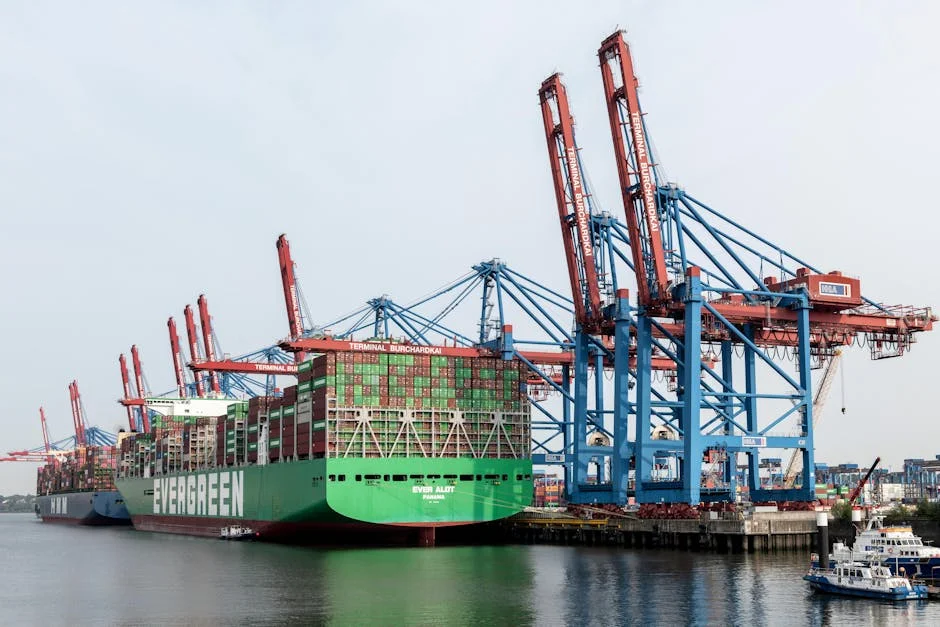
Exporters in the textile and pharmaceutical sectors, which are heavily reliant on loans, have been hit the hardest. In Ahmedabad, one of India's largest textile hubs, several companies have reported a 15% drop in orders due to higher financing costs. "We are losing contracts to countries with more flexible policies," said Priya Mehta, a textile exporter based in the city.
Government Response and Policy Debate
The Ministry of Commerce and Industry has acknowledged the concerns but has not yet committed to removing the cap. A government official stated, "We are reviewing the situation, but we must ensure that any changes do not lead to excessive subsidies." The department is reportedly considering a tiered system that would allow higher subvention for small and medium enterprises (SMEs), but no timeline has been announced.
Industry analysts argue that the current system is creating an uneven playing field. "Larger firms can absorb the higher costs, but SMEs are struggling," said Dr. Anand Kumar, an economist at the Indian Institute of Management. "A removal of the cap could lead to a surge in export volumes, especially in sectors like gems and jewellery, where Gujarat plays a key role."
Regional Impact on Local Economies
The push to remove the cap has significant implications for local economies, particularly in states like Gujarat, Tamil Nadu, and Maharashtra, where exports are a major economic driver. In Surat, a diamond trading center, over 70% of businesses rely on bank loans to finance their operations. A recent survey by the Surat Chamber of Commerce found that 60% of exporters believe the interest subvention cap is a major barrier to growth.
The impact is not limited to businesses alone. The ripple effect is felt across employment and local supply chains. In Vadodara, a manufacturing hub, several small workshops have reported reduced orders, leading to layoffs. "If the government doesn't act soon, we risk losing jobs and stalling economic progress," said Vijay Patel, a local business owner.
Community Response and Public Sentiment
Community leaders in export-heavy regions have voiced support for the exporters' demands. In Ahmedabad, a local civic group held a rally last month, urging the government to reconsider the policy. "Our livelihoods depend on exports. We need a policy that supports, not hinders, our growth," said Meera Desai, a local activist.
Public sentiment is divided, with some citizens expressing concern over potential increases in subsidies. However, many in the business community believe the long-term benefits of a more competitive export sector outweigh the short-term costs. "This isn't just about profits — it's about sustaining jobs and growth in our region," said Manoj Sharma, a small business owner in Jaipur.
What Comes Next?
The next step is expected to be a formal proposal from the FIEO, which is set to present its case to the government in the coming weeks. A key deadline is the end of the current fiscal year in March, after which the policy may be reviewed for the next financial cycle. Industry leaders are urging the government to act swiftly to avoid further damage to the export sector.
Exporters are also calling for a broader review of financial support mechanisms, including tax incentives and easier access to credit. As the debate continues, the focus remains on how this policy shift will impact daily life, economic stability, and the future of India's export-driven industries.
The coming months will be critical. If the government does not respond to the exporters' demands, the sector could face a slowdown that affects not just businesses, but the entire region's economy. What happens next will determine whether India's exporters can continue to thrive in a global market.