Women across Nigeria’s mining regions are demanding urgent policy reforms to address systemic barriers preventing their full participation in the sector. The Ziva Community Initiative, a local advocacy group, has called on the federal government to implement targeted economic inclusion strategies, citing a 34% drop in female workforce participation in mining communities since 2021. The push comes as mining operations in states like Kaduna and Enugu face growing pressure to address gender disparities.
Women’s Struggle in Mining Communities
The mining sector in Nigeria, particularly in the northern states, has long been dominated by men, with women often restricted to informal roles or excluded entirely. A 2023 report by the Nigerian Bureau of Statistics found that only 12% of formal mining jobs in Kaduna State are held by women, despite their significant contributions to local economies through small-scale trading and processing of minerals.
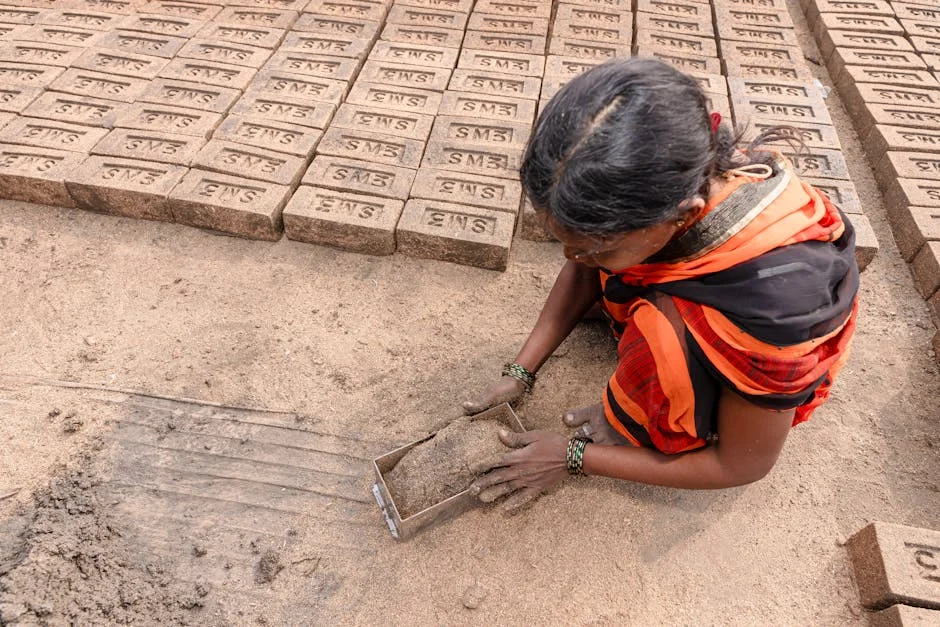
“We are the backbone of these communities, yet we are sidelined in decision-making and economic planning,” said Amina Yusuf, a community leader from Kaduna. “The Ziva Initiative is pushing for policies that will ensure women have access to training, credit, and land rights in mining areas.”
The Ziva Community Initiative has documented over 200 cases of women facing discrimination in mining cooperatives, including denial of loans and exclusion from union negotiations. These challenges are compounded by cultural norms that limit women’s mobility and access to education, further entrenching their economic marginalization.
Policy Gaps and Economic Consequences
Nigeria’s National Mining Policy, last revised in 2018, lacks specific provisions for gender inclusion. As a result, women in mining communities face limited opportunities for advancement, which affects not only their livelihoods but also the broader local economy. A study by the African Development Bank found that increasing women’s participation in mining could boost regional GDP by up to 8% in the next decade.
“When women are excluded from the economy, it’s not just their loss—it’s the loss of the entire community,” said Dr. Chidi Nwosu, an economist at the University of Ibadan. “Investing in women’s inclusion in mining can create a ripple effect, improving education, health, and overall economic stability in these regions.”
The Ziva Initiative has proposed a series of policy reforms, including gender quotas in mining cooperatives, access to microfinance, and vocational training programs tailored for women. These measures are seen as critical to addressing the economic disparities that have persisted for decades.
Community Response and Grassroots Mobilization
Local communities have responded positively to the Ziva Initiative’s campaign, with women’s groups in Enugu and Kano organizing workshops to raise awareness about their rights. In Enugu, a women-led cooperative has started a pilot project to process and market locally mined minerals, providing an alternative income source for over 50 families.
“We want to show that women can lead in this sector,” said Nkechi Okoro, a member of the Enugu cooperative. “We’re not just asking for a seat at the table—we’re demanding to be part of the conversation.”
The initiative has also partnered with the Kaduna State Ministry of Women’s Affairs to develop a training program targeting 1,000 women in mining regions by 2025. This collaboration marks a rare instance of government engagement with grassroots women’s groups.
Looking Ahead: What’s Next for Women in Mining
The Ziva Community Initiative has set a deadline of October 2024 for the federal government to draft and publish a revised mining policy that includes gender equity measures. Failure to act could lead to increased public pressure, including protests and media campaigns, to hold leaders accountable.
“We are not waiting for change—we are creating it,” said Amina Yusuf. “Our goal is to ensure that women are not just participants in the mining economy but equal stakeholders.”
The coming months will be critical for the future of women’s economic inclusion in Nigeria’s mining sector. As the Ziva Initiative continues to push for policy reforms, the voices of women in mining communities are becoming impossible to ignore.
See Also
- Jacob Bethell shatters records with 45-ball century against India: Here's the impact
- Pahalgam Attack Anniversary Sparks Tourism Revival in Kashmir
These measures are seen as critical to addressing the economic disparities that have persisted for decades. “Our goal is to ensure that women are not just participants in the mining economy but equal stakeholders.” The coming months will be critical for the future of women’s economic inclusion in Nigeria’s mining sector.
What is the latest news about ziva initiative demands policy shift for women in nigerian mining?
Why does this matter for business-economy?
What are the key facts about ziva initiative demands policy shift for women in nigerian mining?