Tamil Nadu's political campaigns have taken an unexpected turn as local biryani caterers struggle to keep up with fuel shortages and rising costs, disrupting plans for large gatherings. With the state's assembly elections approaching, political parties are relying on food to rally support, but the combination of inflation and supply chain issues has forced caterers to adapt quickly. The situation is particularly acute in Chennai, where fuel prices have surged by 25% since January, pushing up transportation and cooking costs.
Chennai Caterers Navigate Crisis
Local caterers in Chennai have been forced to rethink their operations as fuel prices soar. Ramesh Kumar, a veteran biryani vendor with over 15 years of experience, said that his costs have increased by nearly 30% in the past three months. "We have to charge more for the same quantity, but the political parties are not willing to pay extra," he said. "We are trying to keep the food affordable for the people, but it's getting harder every day."
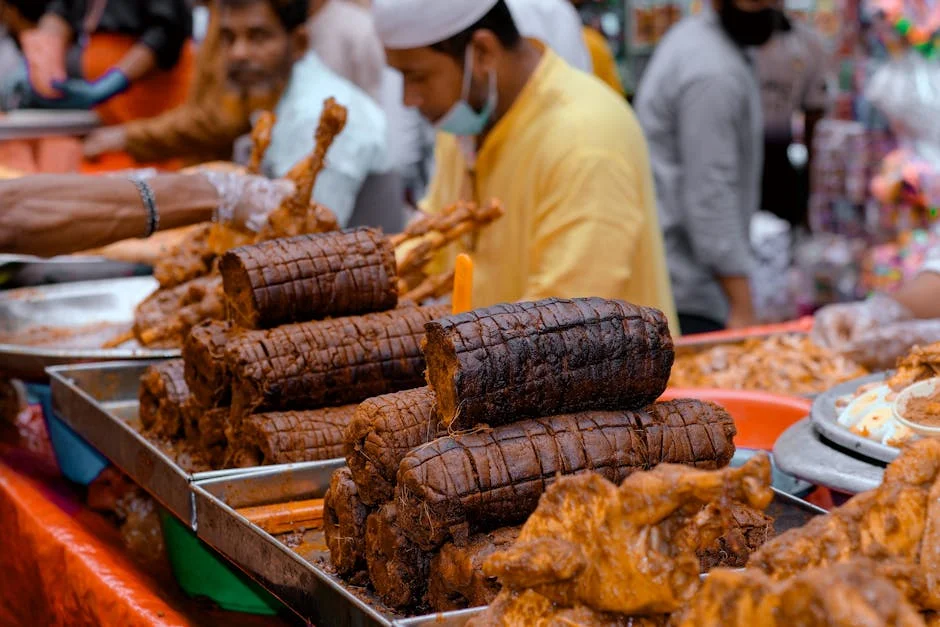
The fuel crisis has also led to delays in food delivery. Political meetings in the city often require hundreds of meals to be prepared and transported within hours. With fuel rationing in place, some caterers have had to rely on local suppliers and smaller delivery vehicles to avoid long queues at petrol stations. "We have to plan more carefully now," said Priya Srinivasan, a manager at a popular catering firm in Mylapore. "Every minute counts, and we can't afford any delays."
Impact on Daily Life and Local Economy
The rising cost of food and fuel is affecting not just political events but also the daily lives of Tamil Nadu's residents. In areas like Tambaram and T. Nagar, where political rallies are common, local markets have seen a noticeable drop in foot traffic. Small businesses, including restaurants and grocery stores, are also feeling the pinch. "We are struggling to keep our prices stable," said Arun Kumar, a shop owner in T. Nagar. "The people are spending less, and it's hurting our sales."
The local economy is also under pressure. According to a recent report by the Tamil Nadu Industrial Development Corporation, the state's small and medium enterprises (SMEs) have seen a 12% decline in revenue due to inflation and reduced consumer spending. "This is not just a political issue; it's a broader economic challenge," said Dr. Meera Natarajan, an economist at Anna University. "If the situation continues, it could lead to job losses and reduced investment in the region."
Community Response and Adaptation
Communities in Tamil Nadu are responding to the crisis in various ways. Some local groups have started organizing food drives to support those affected by rising prices. In Kancheepuram, a group of volunteers has been preparing meals for low-income families, using locally sourced ingredients to keep costs low. "We want to ensure that no one goes hungry during this time," said Priya Raj, a volunteer with the initiative.
Political parties, too, are adapting. Some have shifted to smaller, more localized events to reduce costs. Others have partnered with local businesses to source food and fuel at lower prices. However, not all are satisfied with the changes. "This is a critical time for our state, and we need to focus on solutions, not just logistics," said Mani Raman, a political analyst based in Coimbatore. "The people are looking for real change, not just better catering."
Food as a Political Tool
The role of food in Tamil Nadu's political landscape is well established. Biryani, in particular, has become a symbol of community and celebration. However, the current crisis has turned it into a challenge. Political campaigns that once relied on large-scale events now face the dilemma of maintaining their outreach without breaking the bank.
Some parties have even begun to promote "local" food options to cut costs. In Tiruchirappalli, for example, one party has been serving traditional South Indian dishes instead of biryani, citing both cost and cultural relevance. "We want to connect with the people on a deeper level," said a party representative. "This is not just about food; it's about values."
What’s Next for Tamil Nadu?
As the election approaches, the situation is likely to remain volatile. The state government has announced plans to increase fuel subsidies, but it remains unclear how quickly these measures will take effect. Meanwhile, caterers and local businesses are bracing for further challenges. "We are hoping for relief soon," said Ramesh Kumar. "But until then, we'll keep doing our best to serve the people."
The coming weeks will be crucial for Tamil Nadu. With the election just weeks away, the ability of political parties to adapt to the crisis will play a key role in shaping the outcome. Citizens, too, will be watching closely, as the cost of food and fuel continues to impact their daily lives.
See Also
- Bhupinder Mann Demands Rajya Sabha Seats for Seven AAP Defectors
- Tamil Nadu Chief Minister Vijay Delays Meeting with Sonia Gandhi — What’s Next?
What is the latest news about tamil nadu biryani caterers battle fuel shortages for political events?
Why does this matter for politics-governance?
What are the key facts about tamil nadu biryani caterers battle fuel shortages for political events?