South Korea has announced a major shift in its energy strategy, leveraging the ongoing tensions in the Middle East to accelerate its transition to renewable energy sources. The move comes as global oil prices fluctuate amid the Iran crisis, prompting the government to reassess its energy security and reduce reliance on imported fossil fuels. The plan, unveiled by the Ministry of Trade, Industry and Energy, aims to increase the share of renewable energy in the national grid to 30% by 2030, up from the current 10%. The decision has sparked discussions among local communities, businesses, and environmental groups about how it will shape daily life and economic stability across the region.
Energy Strategy Shift Amid Regional Tensions
The announcement follows a series of diplomatic and economic challenges in the Middle East, where Iran's nuclear programme and regional conflicts have disrupted oil supply chains. South Korea, which imports nearly 90% of its energy, has been particularly vulnerable to price volatility. The government’s new strategy includes significant investments in solar, wind, and hydrogen energy, with a focus on reducing dependence on Middle Eastern oil. According to a report by the Korea Energy Economics Institute, the country's energy import bill rose by 15% in 2023, driven by rising oil prices and geopolitical instability.
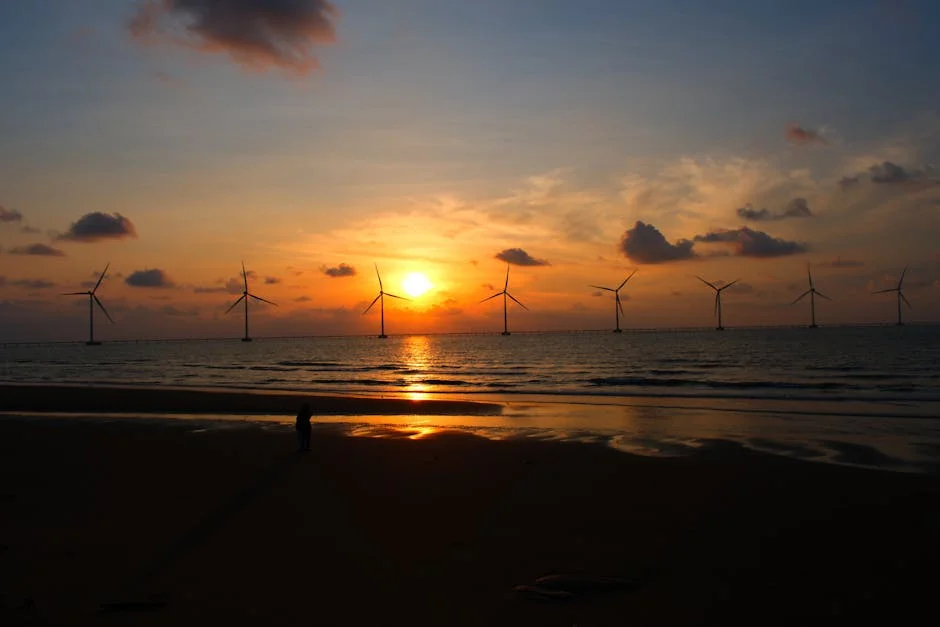
The Ministry of Trade, Industry and Energy has pledged to allocate 120 billion won (approximately $96 million) in subsidies for renewable energy projects over the next five years. This includes support for residential solar panels, offshore wind farms, and hydrogen fuel cell technology. The plan is expected to create over 200,000 jobs in the green energy sector, according to a statement from the ministry. However, local communities in rural areas, such as Jeju Island and Gyeongsangbuk-do, have expressed concerns about the environmental impact of large-scale renewable projects and the potential disruption to traditional industries.
Impact on Daily Life and Local Economy
The shift to renewables is already having a tangible effect on daily life in South Korea. In cities like Seoul and Busan, residents are seeing a gradual increase in the availability of electric public transport and solar-powered street lighting. The government has also introduced tax incentives for households that install solar panels, with a target of 1 million installations by 2025. However, the transition is not without challenges. Small businesses, especially in the manufacturing sector, are struggling with rising energy costs as the country moves away from cheaper fossil fuels.
One such business owner, Lee Min-ho, runs a textile factory in Incheon. "The cost of electricity has gone up by 20% since the government started promoting renewables," he said. "We're trying to switch to solar, but the initial investment is too high for small companies like ours." The government has acknowledged these concerns and has launched a pilot program to provide low-interest loans for small and medium enterprises (SMEs) to adopt green technologies. The program, which started in March 2024, is expected to benefit over 5,000 businesses across the country.
Community Response and Environmental Concerns
While many citizens support the move towards renewable energy, some communities are wary of the environmental and economic trade-offs. In Gyeongsangbuk-do, local farmers have raised concerns about the construction of wind farms on agricultural land. "We understand the need for green energy, but we also need to protect our farmland," said Park Soo-jin, a farmer and local council member. "The government needs to find a balance between development and sustainability."
Environmental groups have also called for more transparency in the planning process. "The government has not provided enough information on how these projects will affect local ecosystems," said Kim Ji-hoon, a representative from the Korea Green Energy Association. "We need a more inclusive approach that involves local communities from the start." In response, the Ministry of Environment has announced a public consultation process for all major renewable energy projects, starting in June 2024.
Renewable Projects and Community Engagement
The government has also announced a series of community-based renewable energy projects, aimed at involving local residents in the transition. One such initiative, the "Green Village" project, will pilot solar-powered microgrids in rural areas. The project, launched in collaboration with the Korea Institute of Energy Research, is expected to serve 500 households in Gyeonggi Province by 2025. The goal is to create a model for sustainable energy use that can be replicated in other regions.
At the same time, the government is investing in research and development for next-generation energy technologies. A new energy innovation hub in Daejeon, funded by the Ministry of Science and ICT, will focus on hydrogen fuel cells and smart grid systems. The hub is expected to attract both domestic and international investors, potentially boosting South Korea's position as a global leader in green technology.
Looking Ahead: What to Watch Next
As South Korea moves forward with its renewable energy strategy, the next few months will be critical. The government is expected to release a detailed roadmap for the 30% renewable target by mid-2024, outlining specific policies and funding mechanisms. Local elections in May 2024 will also play a role in shaping the future of energy policy, with environmental issues likely to be a key topic of debate.
For citizens and communities, the transition to renewables represents both an opportunity and a challenge. While the long-term benefits of a cleaner, more sustainable energy system are clear, the short-term costs and disruptions remain a concern. As the country navigates this complex shift, the success of the new energy strategy will depend on how well it balances economic, environmental, and social priorities.
See Also
- India Requests France for 114 Rafale Jets — 90 to Be Made Locally
- Canada Seizes Oil Opportunity as India's Demand Soars - Carney Pledges Investment
Community Response and Environmental Concerns While many citizens support the move towards renewable energy, some communities are wary of the environmental and economic trade-offs. In Gyeongsangbuk-do, local farmers have raised concerns about the construction of wind farms on agricultural land.