Chinese electric vehicle manufacturer Seres has filed a patent for an in-vehicle toilet, sparking debate among Indian consumers and industry experts. The patent, filed in late 2024, outlines a voice-controlled sanitation system designed for long-haul drivers and luxury vehicles. The move has raised questions about the practicality of the feature in India, where vehicle ownership and infrastructure vary widely across urban and rural areas.
Seres' Patent Details and Indian Market Reactions
Seres, a subsidiary of Chinese tech giant NIO, unveiled the patent in late 2024, describing a toilet that can be operated through voice commands and integrated into the vehicle's climate control system. The design includes a foldable seat, waste containment unit, and automatic cleaning features. While the patent is still under review, it has already drawn attention from Indian car buyers and media outlets. In India, where vehicle ownership is dominated by compact and mid-size cars, the feature appears out of sync with current market demands.
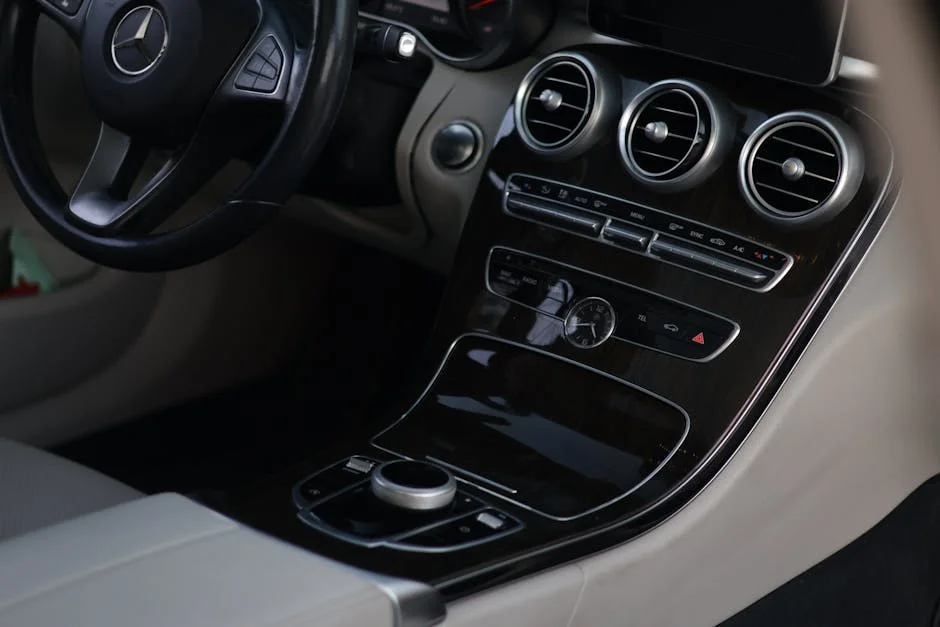
Industry analysts say the patent reflects broader trends in Chinese automotive innovation, particularly in electric and smart vehicles. "Chinese manufacturers are pushing the boundaries of vehicle functionality," said Ravi Sharma, an auto sector consultant based in Mumbai. "However, features like this may not resonate with Indian consumers who prioritize fuel efficiency, affordability, and reliability over luxury additions."
Indian Consumers and Market Realities
India's vehicle market is highly segmented, with over 200 million registered vehicles as of 2024. Most vehicles on the road are two-wheelers or small cars, while luxury vehicles make up a small fraction of the market. The idea of an in-vehicle toilet seems more suited to long-haul trucks or commercial vehicles, rather than everyday passenger cars. In cities like Delhi and Bangalore, where traffic congestion and parking challenges are common, such a feature may not be practical.
Local car dealerships have not yet seen demand for such features. "Our customers are more concerned with fuel efficiency, safety, and after-sales service," said Anjali Mehta, a sales manager at a Maruti Suzuki dealership in Pune. "An in-vehicle toilet is not something we've been asked about, and we don't see it as a priority for most buyers."
Broader Implications for Chinese Automotive Expansion
Seres' patent is part of a larger trend of Chinese automakers entering the Indian market with advanced technology. Companies like BYD and NIO have already started testing their electric vehicles in select Indian cities, with plans to expand. However, the success of these brands depends on aligning their product offerings with local needs and infrastructure.
The Indian government has also been promoting electric vehicles through subsidies and tax incentives. As of 2024, around 2% of India's vehicle fleet is electric, but the transition remains slow. For Chinese automakers, the challenge is not just to introduce new technology but to ensure it is relevant to Indian consumers.
Comparing Chinese and Indian Automotive Priorities
Chinese automakers are known for their focus on innovation and high-tech features, often ahead of market demand. In contrast, Indian consumers tend to prioritize value, durability, and affordability. This difference in priorities could shape how Chinese brands like Seres are received in the Indian market.
For instance, while Seres may see an in-vehicle toilet as a luxury feature, Indian buyers may view it as unnecessary. The success of Chinese electric vehicles in India will depend on their ability to adapt to local conditions, such as road quality, power supply, and consumer preferences.
What Comes Next for Seres in India?
Seres has not yet announced plans to launch its vehicles in India, but the patent suggests the company is exploring new markets. If Seres decides to enter the Indian automotive landscape, it will need to address concerns about the relevance of its features and the affordability of its products.
Industry observers suggest that Seres could focus on electric SUVs and premium sedans, which are gaining traction in India. However, the inclusion of a voice-controlled toilet would need to be justified through strong consumer demand or unique market conditions. For now, the patent remains a curiosity rather than a practical feature for the Indian market.
The next few months will be critical for Seres as it decides whether to adapt its product strategy for Indian consumers. With the Indian government pushing for electric vehicle adoption and local manufacturers like Tata and Mahindra expanding their offerings, the competition is intensifying. How Seres and other Chinese automakers navigate this space will determine their long-term success in the region.
See Also
Seres has not yet announced plans to launch its vehicles in India, but the patent suggests the company is exploring new markets. If Seres decides to enter the Indian automotive landscape, it will need to address concerns about the relevance of its features and the affordability of its products.