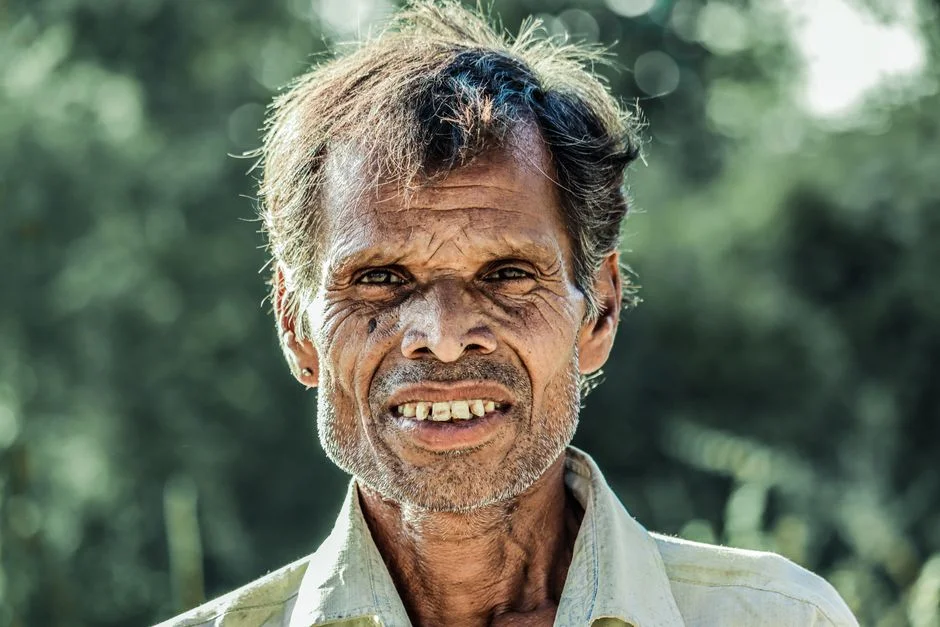
India’s growing elderly population is turning to virtual reality (VR) to combat loneliness, with a pilot programme in Mumbai showing early success. The initiative, led by the Maharashtra State Council on Ageing, aims to connect seniors with digital experiences that simulate travel, social gatherings, and even virtual exercise classes. With 18% of India’s population aged 60 or older, the need for innovative solutions to social isolation has never been more urgent.
VR as a Social Bridge
Participants in the Mumbai pilot have reported feeling more connected to family and friends through VR. The programme, launched in March 2024, provides seniors with VR headsets and guided sessions at local community centres. One user, 72-year-old Ramesh Patel from Bandra, said the experience helped him feel like he was “visiting his son in the US without leaving his home.”
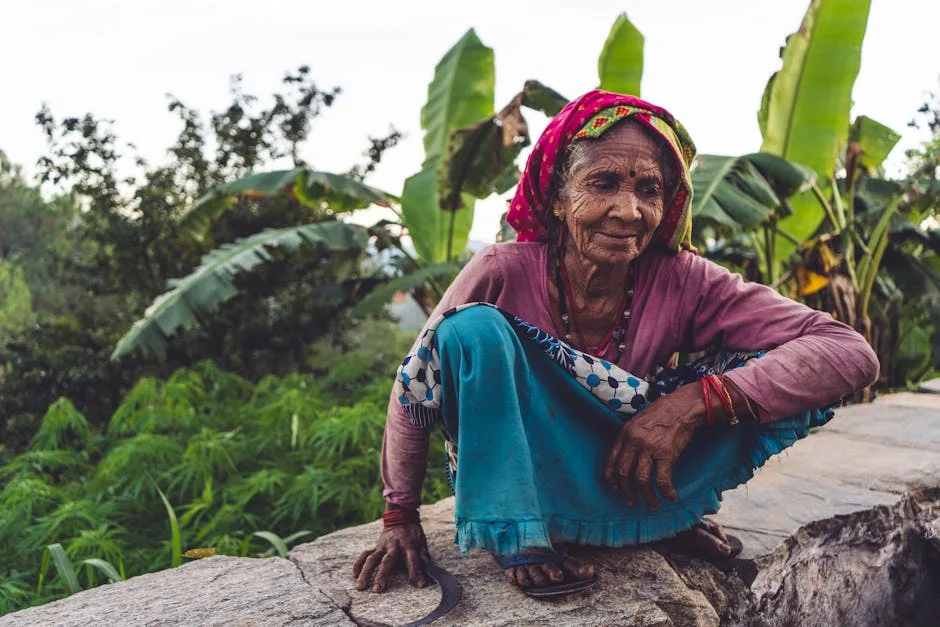
Experts say the technology is particularly valuable in urban areas where many elderly live alone. “VR offers a low-cost, accessible way to reduce isolation,” said Dr. Anjali Mehta, a geriatrician at the National Institute of Ageing. “It’s not just about entertainment—it’s about maintaining a sense of belonging.”
Challenges and Opportunities
Despite the positive response, the programme faces hurdles. Only 12% of India’s elderly have access to smartphones, and many are unfamiliar with digital tools. To address this, the council has trained local volunteers to assist seniors in using the VR equipment. “We’ve had to slow down and teach them step by step,” said volunteer Arjun Deshmukh, who has worked with over 50 participants.
Financial barriers also remain. A single VR headset costs around ₹15,000 (approximately $180), which is beyond the budget of many older adults. However, the government has announced plans to subsidise the cost for low-income seniors, with the first round of support expected by mid-2025.
Community Response and Expansion
Local communities have embraced the initiative, with several NGOs stepping in to support the programme. The Mumbai-based organisation Seniors Connect has started offering free VR sessions at its centres, reaching over 200 seniors in the first six months. “We’ve seen a noticeable improvement in mood and engagement,” said founder Priya Kapoor.
Some religious and cultural groups have also joined in. The Mumbai branch of the Ramakrishna Mission has integrated VR into its weekly gatherings, allowing seniors to virtually attend temple rituals and community events. “It’s a way to keep traditions alive,” said volunteer Ramesh Bhosale.
Impact on Daily Life and Economy
The use of VR is already influencing daily routines for many seniors. Regular VR sessions have replaced long hours of television watching, encouraging more active participation in social and mental activities. “It’s changed how we spend our days,” said 68-year-old Meera Desai, who now attends virtual book clubs and art classes.
The economic impact is also emerging. Local tech startups have begun developing VR content tailored for older users, creating new job opportunities. A Mumbai-based firm, TechElder, has hired over 20 developers to create age-friendly applications, with plans to expand to other cities in 2025.
Looking Ahead
The success of the Mumbai pilot has prompted the government to consider a nationwide rollout. A draft policy, expected to be released by the end of 2024, will outline guidelines for scaling the programme. “We’re looking at partnerships with private companies and NGOs to make VR more accessible,” said Ministry of Health and Family Welfare spokesperson Rajesh Kumar.
As the initiative grows, the focus remains on ensuring that it reaches the most vulnerable. By 2026, the council aims to have VR centres in all 37 districts of Maharashtra. For now, the message is clear: technology is no longer just for the young. It’s a lifeline for the elderly, helping them stay connected in a rapidly changing world.
See Also
- Varun Beverages Shares Surge 9% — Brokerages Optimistic After Q4 Results
- Iran's New Leader Swears Vengeance and Keeps Strait of Hormuz Closed - What It Means for India
What is the latest news about indias senior citizens embrace vr to fight isolation?
Why does this matter for business-economy?
What are the key facts about indias senior citizens embrace vr to fight isolation?