On Akshaya Tritiya 2026, the festival of abundance and prosperity, millions across India are expected to invest in gold, with demand surging in cities like Mumbai and Delhi. The tradition of buying gold on this day, believed to bring lifelong prosperity, has led to a sharp increase in prices, with gold rates climbing by 8% in the past week. The Ministry of Commerce has reported a 22% rise in gold sales compared to last year, indicating a growing trend among households to view gold as a secure investment amid economic uncertainty.
Gold as a Symbol of Wealth and Security
For generations, Akshaya Tritiya has been a day of financial and spiritual significance. In 2026, the festival falls on April 12, and it has become a peak time for gold purchases. In Mumbai, the largest gold market in the country, traders report that demand has outpaced supply, leading to price hikes. "This year, we've seen a 30% increase in inquiries compared to last year," said Ravi Mehta, a gold dealer at the Mumbai Gold Market. "People are not just buying for weddings but as a long-term investment."
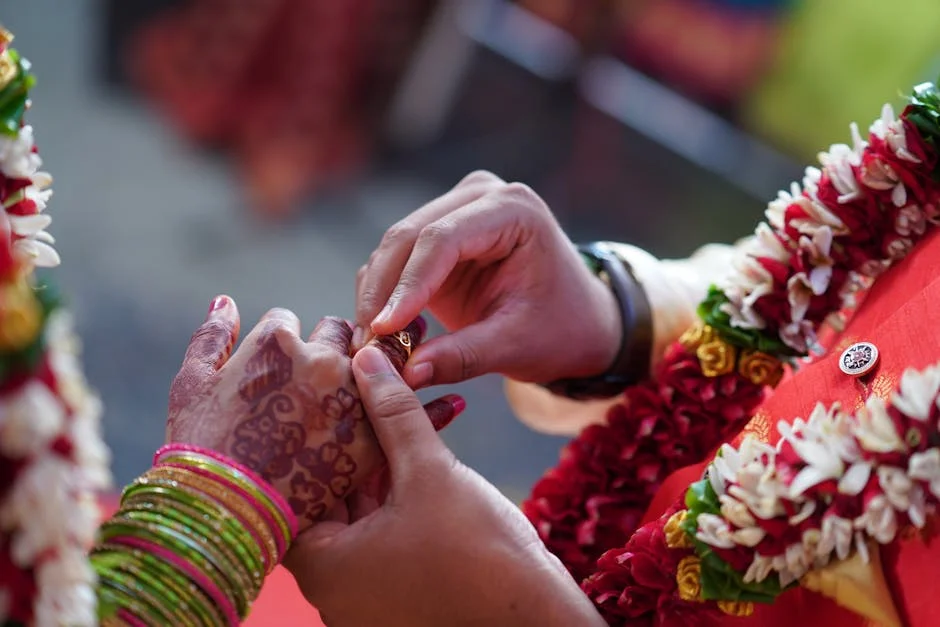
The tradition is rooted in Hindu mythology, where Lord Krishna is believed to have gifted a pot of gold to a devotee on this day. This story has made Akshaya Tritiya a day of hope and renewal, especially for lower and middle-income families. "Buying gold on this day is a way to ensure financial stability for the family," said Priya Sharma, a homemaker from Jaipur. "It's not just a purchase, it's a promise for the future."
Impact on Local Economies and Markets
The surge in gold demand has had a ripple effect on the local economy. In Delhi, the capital of India, gold shops are reporting record sales, with some stores selling out of their stock within hours. The National Stock Exchange (NSE) has also seen an increase in gold ETFs, as investors look to diversify their portfolios. "This is not just a religious or cultural event; it's a major economic driver," said Anurag Kapoor, an economist at the Delhi School of Economics. "The gold market is a key indicator of consumer confidence."
However, the price hike has also created a divide. While wealthy families can afford the rising costs, middle-income households are struggling to keep up. "I wanted to buy a gold necklace for my daughter, but the price has gone up so much that I had to wait," said Meena Patel from Ahmedabad. "It’s a tough decision, but I have to think about the family budget."
Gold Buying Trends and Consumer Behavior
The shift in consumer behavior is evident in the growing preference for gold coins and bars over traditional jewelry. According to the India Gold Association, 45% of buyers in 2026 opted for bullion, compared to 30% in 2025. This trend is driven by the desire for liquidity and the perception of gold as a safer investment than real estate or stocks. "Gold is seen as a hedge against inflation," said Dr. Sunita Verma, a financial advisor based in Bangalore. "This year, more people are buying gold not just for weddings but as a financial safeguard."
Regional variations also play a role. In southern states like Tamil Nadu and Kerala, gold is often used in temple offerings and religious ceremonies, making it a cultural staple. In contrast, in northern states like Uttar Pradesh and Punjab, gold is more commonly associated with weddings and dowries. "The demand is different in each region, but the overall trend is clear," said Rajesh Kumar, a gold trader from Lucknow.
Gold as a Cultural and Economic Force
The cultural significance of Akshaya Tritiya is matched by its economic impact. In cities like Kolkata, where the festival has deep historical roots, gold shops operate around the clock. "We have been open for 24 hours this week," said Amit Ray, a shop owner in the city's central market. "The demand is so high that we can't keep up." The cultural aspect is also reflected in the traditional offering of gold to deities, a practice that continues in temples across the country.
Despite the economic benefits, some experts warn of the risks. "Gold is a volatile asset," said Dr. Arvind Joshi, an economist at IIT Bombay. "While it provides short-term security, it's important to diversify investments." This caution is echoed by financial planners who advise against putting all savings into gold.
What to Watch Next
As Akshaya Tritiya 2026 approaches, the gold market is expected to remain volatile. The Reserve Bank of India has not yet commented on the price surge, but market analysts predict that prices may stabilize after the festival. "We should see a slight dip in the following weeks," said Anurag Kapoor. "But the long-term trend of gold as a safe investment is likely to continue."
For citizens and communities, the festival represents both an opportunity and a challenge. While it offers a chance to secure financial stability, it also highlights the growing pressure on middle-income families to keep up with rising costs. As the country prepares for the festival, the focus will be on how this tradition evolves in the years to come.
See Also
- Soto Grado El's Cyborg Image Sparks Regional Debate
- Morreu Álvaro Cassuto — Legacy Shakes Cascais Music Scene