The Brazilian government has unveiled a draft of the new Constitution Bill, sparking widespread public debate across the country. The proposal, led by the Ministry of Justice, aims to modernise legal frameworks but has already drawn criticism from civil society groups and legal experts. The bill, published on 15 July, has ignited discussions in cities like São Paulo and Rio de Janeiro, where citizens are concerned about its potential impact on individual rights and access to public services.
Key Provisions of the New Constitution Bill
The proposed changes include amendments to land rights, environmental protections, and judicial procedures. One of the most controversial elements is the shift in power from state governments to the federal government on environmental regulation. This has raised concerns among local leaders in the Amazon region, where deforestation has been a major issue. The bill also introduces new clauses on digital privacy, which have been welcomed by tech companies but questioned by civil liberties advocates.
The Ministry of Justice stated that the reforms are necessary to streamline governance and reduce bureaucratic delays. However, critics argue that the bill lacks sufficient public consultation. "This is a major change that affects every citizen, yet the process has been rushed," said Maria Silva, a constitutional lawyer based in Belo Horizonte. "We need more transparency and dialogue before it is finalised."
Public Reaction and Community Impact
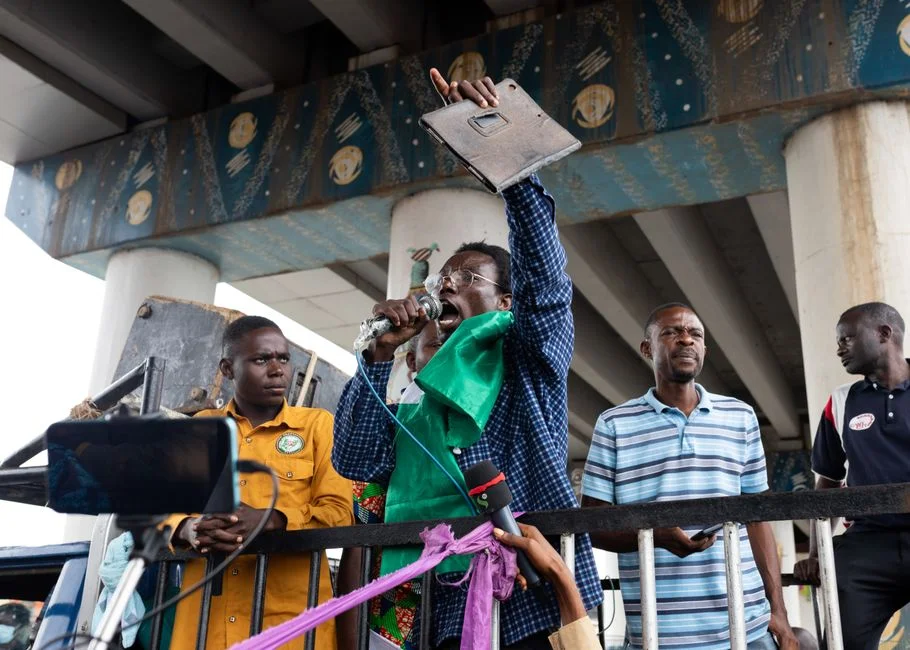
Public forums and social media have become key platforms for citizens to voice their opinions. In São Paulo, over 2,000 people attended a town hall meeting to discuss the bill, with many expressing fears that it could weaken local autonomy. "We are worried about how this will affect our ability to manage our own resources," said Carlos Mendes, a community leader from the city's outskirts.
In the state of Amazonas, environmental groups have raised alarms about the bill's provisions on land use. The Amazon region has seen a surge in illegal logging and mining in recent years, and activists fear the new law could make it harder to hold violators accountable. "This is a critical moment for the environment and for the people who depend on it," said Ana Lúcia Ferreira, a representative from the Green Amazon Association.
The bill has also sparked discussions about digital rights. While the government claims the new clauses will protect user data, some privacy advocates warn that the language is too vague. "We need clear safeguards to prevent misuse of personal information," said João Costa, a digital rights campaigner in Rio de Janeiro.
Regional Concerns and Local Governance
Local governments are particularly worried about the bill's impact on their authority. In the state of Minas Gerais, mayors have expressed concerns that the proposed changes could limit their ability to make decisions on infrastructure and public health. "We need to maintain control over our own policies," said Luís Ferreira, mayor of Varginha. "This bill threatens that balance."
The bill's provisions on judicial procedures have also raised questions. It proposes a new system for handling civil cases, which some legal experts say could lead to longer delays. "The goal is efficiency, but we need to ensure that justice is not delayed," said Dr. Patricia Oliveira, a judge in Curitiba.
Next Steps and What to Watch
The government has announced a 60-day public consultation period, during which citizens can submit feedback. The final version of the bill is expected to be presented in late September, with a parliamentary vote scheduled for early 2025. However, the outcome remains uncertain, as the bill faces strong opposition from several political parties and civil society organisations.
For now, the debate continues to shape the national conversation. As the government moves forward, the voices of citizens across Brazil will play a crucial role in determining the final form of the new Constitution.
See Also
- F1 Driver Dies in Nürburgring Crash — Race Halted in Germany
- Esperance Coach Slams CAF Ref After Penalty Decision Costs Champions League Spot
What is the latest news about brazils new constitution bill sparks public debate?
Why does this matter for business-economy?
What are the key facts about brazils new constitution bill sparks public debate?