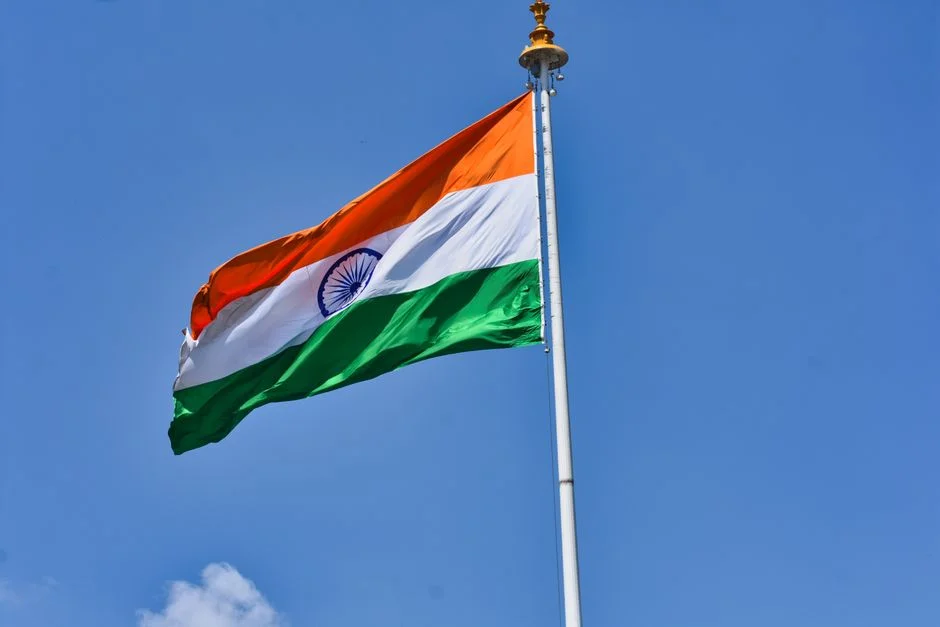
Texprocil, India's leading textile association, has formally denied allegations from the United States Trade Representative (USTR) that Indian cotton textiles are being unfairly subsidised. The dispute, which erupted in April, has raised concerns among textile workers and manufacturers in Gujarat, one of India’s key textile hubs. The USTR’s claims, which were first raised in a report released on 12 April, suggested that India's cotton sector benefits from indirect government support, potentially violating international trade rules.
Texprocil’s Response and the U.S. Claims
Texprocil, which represents over 4,000 textile units across India, has dismissed the USTR’s allegations as baseless and politically motivated. In a statement issued on 15 April, the association said, “The USTR’s report lacks factual evidence and is an attempt to undermine India’s textile industry, which is a vital source of employment for millions.”

The USTR’s claims are part of a broader effort by the U.S. to address trade imbalances with India. The report highlighted that Indian cotton textiles are exported at prices lower than domestic production costs, which could indicate subsidies. However, Texprocil argues that such claims ignore the complex supply chains and market dynamics in the Indian textile sector.
Impact on Gujarat’s Textile Workers
Gujarat, home to major textile clusters such as Ahmedabad and Surat, is one of the most affected regions. The state’s textile industry employs over 1.5 million workers, many of whom are from low-income families. Any trade restrictions or tariffs imposed by the U.S. could lead to job losses and reduced income for these workers.
“We are worried about the future,” said Ramesh Patel, a textile worker from Ahmedabad. “If the U.S. imposes tariffs, our exports will suffer, and we could lose our livelihoods.”
Regional Economic Concerns
The dispute has also raised concerns among local businesses in other textile-producing states such as Tamil Nadu and West Bengal. These regions rely heavily on exports to the U.S., which is one of India’s top trading partners. A potential trade war could disrupt supply chains and reduce demand for Indian textiles.
“This is not just a policy issue—it’s a livelihood issue,” said Dr. Anjali Mehta, an economist at the Indian Institute of Management, Ahmedabad. “If the U.S. imposes restrictions, it will have a ripple effect across the entire textile value chain.”
Local Government and Industry Response
The Gujarat government has called for dialogue with U.S. authorities to resolve the dispute. In a statement, the state’s Commerce Minister, Rajesh Patel, said, “We are committed to fair trade but will not allow unfounded allegations to harm our industries.”
Texprocil has also launched a public awareness campaign to highlight the contributions of the Indian textile sector. The campaign, which includes ads in major newspapers and social media, aims to counter the U.S. narrative and protect the industry’s reputation.
What Comes Next?
The USTR has not yet announced any immediate actions, but the dispute could escalate if the allegations are not resolved. Texprocil has urged the Indian government to take a firm stance in negotiations and to prepare for potential retaliatory measures.
Textile industry experts predict that the issue will be a key topic in upcoming bilateral trade talks between India and the U.S. The next round of discussions is scheduled for June, and the outcome could determine the future of India’s textile exports.
As the situation unfolds, workers, businesses, and policymakers in India are closely watching the developments. The outcome of this dispute could shape the future of one of the country’s most important industries and affect the daily lives of millions of people across the region.
See Also
- Woolworths CEO Roy Bagattini Slams Door on Long Tenure - What's Next for South African Retail?
- Billionaire-Backed Startup Develops Organ Sacks to End Animal Testing
Textile industry experts predict that the issue will be a key topic in upcoming bilateral trade talks between India and the U.S. In a statement, the state’s Commerce Minister, Rajesh Patel, said, “We are committed to fair trade but will not allow unfounded allegations to harm our industries.” Texprocil has also launched a public awareness campaign to highlight the contributions of the Indian textile sector.
What is the latest news about texprocil denies us claims over indias cotton textiles?
Why does this matter for business-economy?
What are the key facts about texprocil denies us claims over indias cotton textiles?