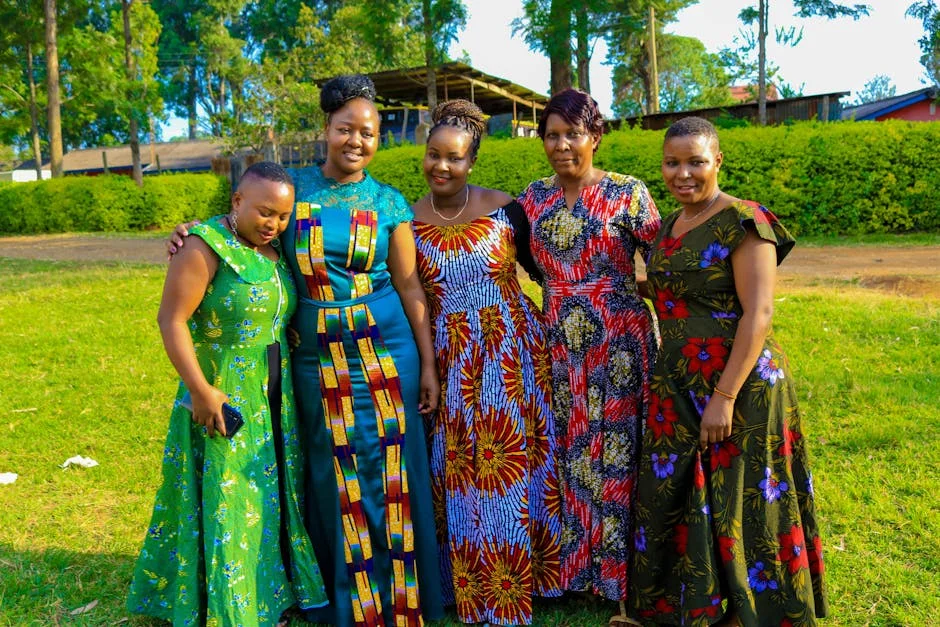
Sevilla, the capital of Andalusia in southern Spain, has unveiled a new initiative called "Interceptados" aimed at revitalising its local economy and cultural sector. The project, launched by the Andalusian Regional Government, has already seen the participation of over 150 local artists and small businesses. The initiative is designed to provide financial support, training, and marketing assistance to help local enterprises thrive in an increasingly competitive market.
What is Interceptados?
The Interceptados programme was first announced in March 2024 and is part of a broader effort to boost economic growth in the region. The initiative focuses on supporting creative industries, including music, film, and artisanal crafts, which are key contributors to Sevilla's cultural identity. According to the Andalusian Ministry of Economy, the programme has already allocated €2.5 million in grants to local entrepreneurs and artists.
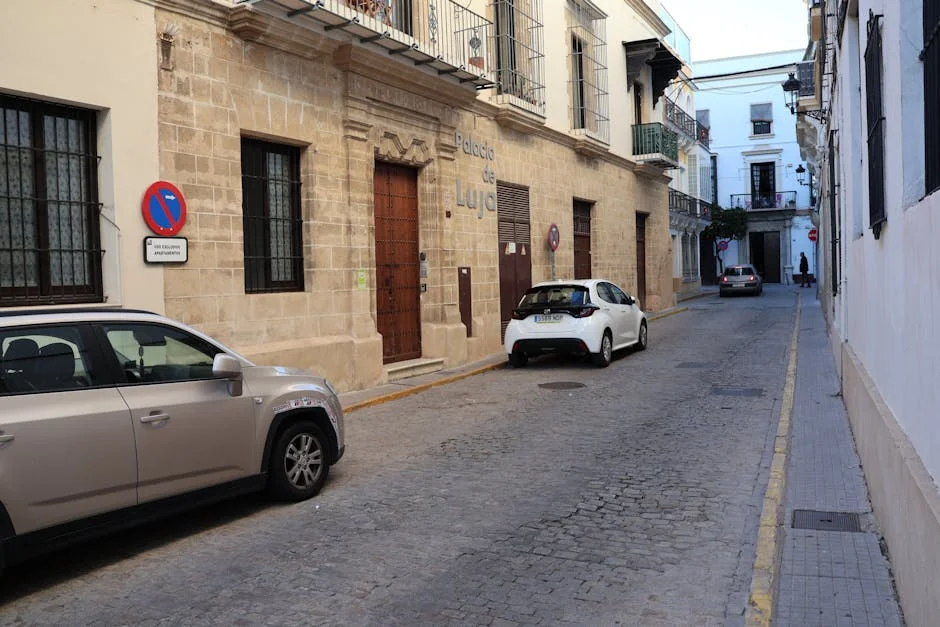
“Interceptados is more than just a financial boost—it’s a way to empower our community,” said María López, head of the Andalusian Creative Industries Division. “We want to ensure that local talent has the resources to flourish and contribute to the region’s economy.” The programme also includes a mentorship component, pairing young artists with established professionals to foster skill development and collaboration.
Local Business Impact
Small businesses in Sevilla have welcomed the initiative, with many reporting increased sales and visibility. For example, a local artisan cooperative in the Santa Cruz district saw a 30% rise in customer traffic after participating in an Interceptados showcase event. “This programme has given us a platform to reach more people,” said Carlos Fernández, a woodcarver who has been in business for over 20 years. “It’s helping us survive in a tough market.”
However, not all businesses are convinced. Some fear the programme may not be sustainable in the long term. “We need more than just short-term support,” said Ana Martínez, owner of a boutique in the Plaza de España. “We want to see real investment in infrastructure and marketing strategies that can help us grow.”
Social and Cultural Effects
The social impact of Interceptados is also being closely monitored. Local schools and community centres have reported increased participation in cultural activities, with many students and families attending events promoted through the initiative. “This is a great opportunity for young people to engage with their heritage,” said José Gómez, a teacher at a secondary school in the Los Remedios neighbourhood. “It helps them understand the value of local traditions.”
But the programme has also sparked debate. Critics argue that it could lead to the commercialisation of cultural practices. “We need to be careful not to turn our traditions into just another product for sale,” said Elena Ruiz, a cultural historian at the University of Seville. “Interceptados should support, not exploit, our heritage.”
Community Response and Future Steps
Community groups have been active in shaping the future of Interceptados. A public forum held in late May brought together over 200 residents, artists, and business owners to discuss the programme’s direction. “We want to make sure that the voices of the people are heard,” said Luisa Torres, a volunteer with the Seville Cultural Association. “This is a chance to build something that truly benefits everyone.”
The Andalusian Government has promised to review the programme’s effectiveness by the end of 2024. A final report is expected to outline potential adjustments, including expanded funding and more inclusive eligibility criteria. “We are committed to making this programme a long-term success,” said López. “Our goal is to create a sustainable model that supports our communities for years to come.”
What to Watch Next
As the programme moves into its second phase, the focus will shift to expanding its reach and ensuring equitable access. The next major event is a citywide cultural fair scheduled for October, where participating businesses and artists will showcase their work. Citizens are encouraged to attend and provide feedback. The government has also announced plans to introduce a digital platform that will help artists and entrepreneurs connect with potential customers and investors.
With the programme still in its early stages, the coming months will be critical in determining its long-term success. The impact on daily life, local businesses, and cultural preservation will continue to be closely monitored by residents and officials alike.