India's Ministry of Health has launched a pilot programme to administer a pregnancy vaccine aimed at reducing hospital admissions for respiratory syncytial virus (RSV) in newborns by 80%, according to a recent clinical trial conducted in Chennai. The initiative, led by the Indian Council of Medical Research (ICMR), marks a significant step in addressing the high burden of RSV among infants in the country.
How the Vaccine Works and Why It Matters
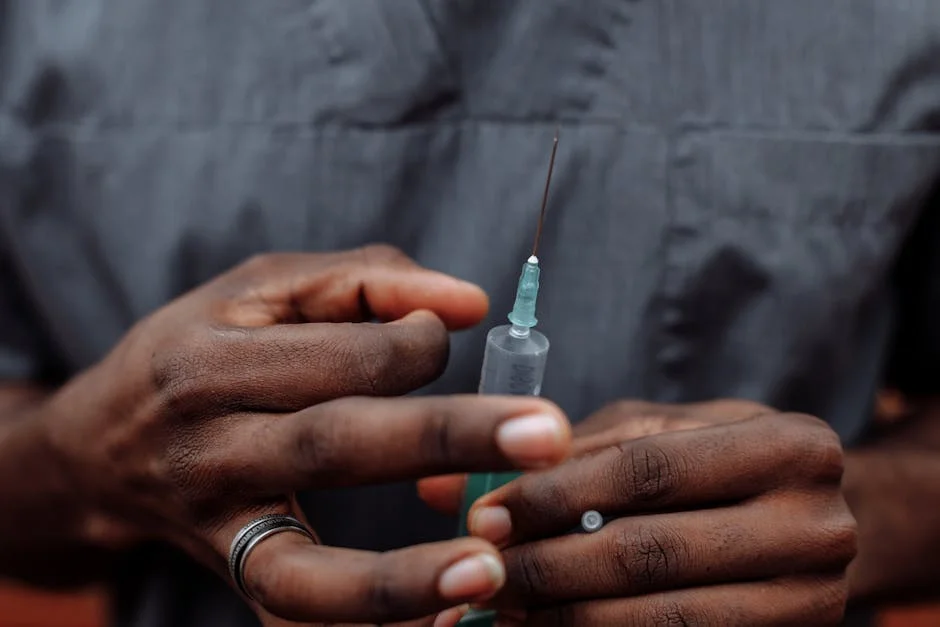
The vaccine, developed in partnership with a global biotech firm, is administered to pregnant women in their third trimester. It works by boosting maternal antibodies, which are then passed to the baby through the placenta, offering protection against RSV in the first few months of life. RSV is a leading cause of hospitalisation for infants under six months, particularly in urban and semi-urban areas.
Dr. Anjali Mehta, a paediatrician at Chennai's Institute of Child Health, explained the significance of the trial. "RSV is a silent epidemic in India. Many children are hospitalised with severe bronchiolitis, and this vaccine could change that. The 80% reduction in admissions is a game-changer for families and the healthcare system."
The trial involved 5,000 pregnant women across three states—Tamil Nadu, Kerala, and Maharashtra. Early data from the first phase showed that babies born to vaccinated mothers had significantly lower rates of RSV-related hospitalisations. The results have been praised by public health experts as a breakthrough in neonatal care.
Impact on Local Communities and Healthcare Systems
For families in cities like Chennai and Mumbai, where overcrowding and poor air quality exacerbate RSV outbreaks, the vaccine offers a new layer of protection. In densely populated areas, where access to timely medical care can be limited, the vaccine could prevent thousands of hospital visits and reduce the strain on already overburdened healthcare facilities.
Healthcare workers in Tamil Nadu have reported a growing concern over RSV cases during the winter months. "Every year, we see a spike in admissions. If this vaccine is rolled out nationwide, it could ease the pressure on our paediatric wards," said Dr. Ravi Sharma, a senior nurse at a government hospital in Chennai.
The vaccine also has economic implications. Hospitalisations for RSV often lead to lost wages for parents, especially in low-income households. By reducing the number of hospital visits, the vaccine could provide financial relief to thousands of families across the country.
Challenges and Next Steps
Despite the promising results, the rollout faces logistical challenges. The vaccine requires cold-chain storage and timely administration, which can be difficult in rural areas with limited healthcare infrastructure. The government has pledged to expand the trial to 10 more states by the end of the year, with a focus on high-risk regions.
The ICMR has also called for greater public awareness about the importance of prenatal care and immunisation. "This vaccine is not just about preventing illness—it's about protecting the future of our children," said Dr. Mehta.
Public health officials are now working on a phased implementation plan, with the goal of making the vaccine available to all pregnant women by 2025. The first phase will target high-risk areas, followed by a national rollout.
What to Watch Next
The success of the pilot programme will determine the pace of the national rollout. By early 2024, the government plans to release a comprehensive report on the trial's outcomes, which will be used to shape future policy. If the vaccine is approved for national use, it could mark a major shift in how RSV is managed in India.
Parents and healthcare providers across the country are closely watching the development. With RSV cases expected to rise in the coming months, the vaccine offers a beacon of hope for safer and healthier pregnancies and childhoods.
See Also
- Prateek Yadav Last Rites in Lucknow: Autopsy Results Shock State
- Anaya Bangar Undergoes Gender Change Surgery, Thanks Father for Support
The ICMR has also called for greater public awareness about the importance of prenatal care and immunisation. If the vaccine is approved for national use, it could mark a major shift in how RSV is managed in India.
What is the latest news about india launches pregnancy vaccine trial to curb rsv hospital admissions?
Why does this matter for health-medicine?
What are the key facts about india launches pregnancy vaccine trial to curb rsv hospital admissions?