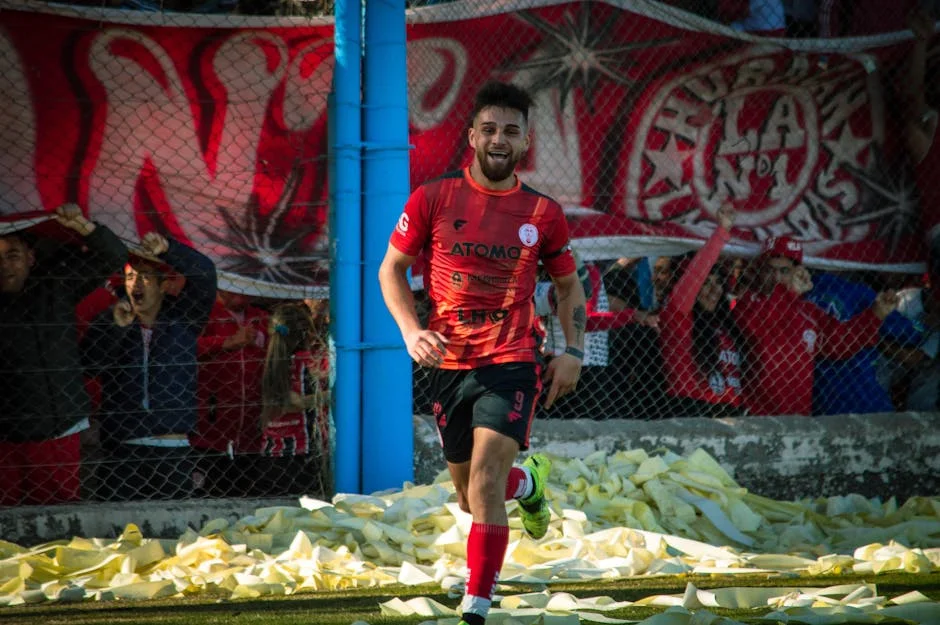
Rúben Dias, the key defender for Manchester City, has been ruled out of a crucial match in England due to a severe ankle injury, dealing a blow to the club’s title ambitions. The incident occurred during a high-stakes game at Etihad Stadium in Manchester, where Dias suffered the injury in the 62nd minute. The 27-year-old Portuguese centre-back, who has been a vital part of the team’s defensive line, is expected to miss at least six weeks, according to the club’s medical team.
Impact on Manchester City's Season
The injury comes at a critical moment in the Premier League season, with Manchester City currently leading the table by a narrow margin. Dias has been instrumental in the team’s defensive strategy, making 22 appearances this season and contributing to 11 clean sheets. His absence could force manager Pep Guardiola to reshuffle the backline, potentially relying on younger players or less experienced defenders.
City’s title hopes now rest on the shoulders of players like John Stones and Nathan Aké, who have already faced their own challenges this season. The team’s next match, against West Ham United in London, will be a test of their depth and resilience. If they fail to secure a win, the gap between them and rivals like Liverpool and Arsenal could narrow, increasing the pressure on the squad.
Effect on Fans and Local Economy
The injury has sent shockwaves through the local community in Manchester, where football is deeply embedded in daily life. Fans at Etihad Stadium expressed their concern, with many taking to social media to wish Dias a quick recovery. Local businesses, particularly those near the stadium, have also felt the ripple effect. The matchday economy, which includes bars, restaurants, and transport services, could see a dip in revenue if the team’s performance suffers in the coming weeks.
For the wider region, the impact is more indirect but still significant. The Premier League is a major driver of tourism and local employment, with millions of pounds generated annually from matchdays and associated activities. Any disruption to the team’s performance could affect the region’s economic outlook, especially in areas reliant on football-related revenue.
What’s Next for Dias and Manchester City
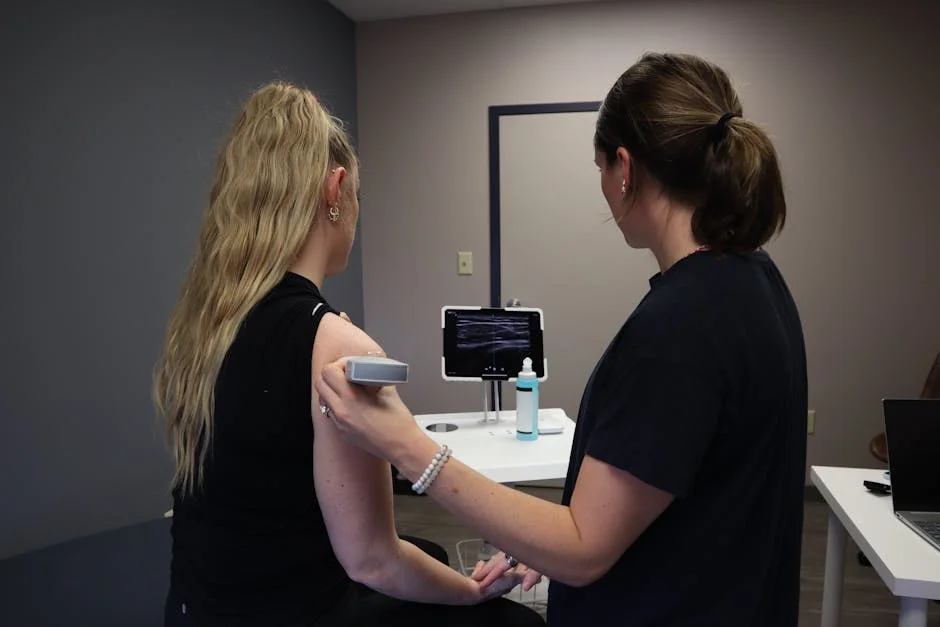
Dias is set to undergo a series of medical evaluations to determine the full extent of the injury. The club has confirmed that he will begin a rehabilitation programme in the coming days. His recovery timeline will be closely monitored, as his return is crucial for the team’s ambitions in both the Premier League and the UEFA Champions League.
Meanwhile, Manchester City’s coaching staff is preparing for the upcoming matches without their star defender. Guardiola has already hinted at potential changes to the team’s formation, with a focus on maintaining defensive stability. The club’s medical team, led by head physiotherapist Kevin Hinds, will play a key role in ensuring Dias returns to full fitness as soon as possible.
Community Response and Support
The local community has rallied around Dias, with fans and local organisations offering their support. A fundraising campaign has been launched by a group of Manchester-based football enthusiasts, aiming to cover some of the costs associated with his treatment and recovery. The initiative has already raised over £15,000 in its first week.
Local schools and community centres have also joined the effort, with students and residents organizing events to raise awareness and funds. This outpouring of support highlights the deep connection between the team and the people of Manchester, where football is more than just a sport — it is a shared identity and a source of pride.
Looking Ahead
The coming weeks will be crucial for both Rúben Dias and Manchester City. If the team can maintain its form without him, the title race could remain within reach. However, any slip-up could open the door for rivals to close the gap. Fans will be watching closely, hoping for a swift recovery and a strong performance from the squad.