Super Typhoon Sinlaku, the strongest tropical cyclone of the year, battered the Northern Mariana Islands on Tuesday, leaving widespread damage and disrupting daily life. The storm, which reached Category 4 intensity, made landfall near the capital, Saipan, with sustained winds of 150 mph and storm surges that flooded coastal areas. The local government, led by the Department of Homeland Security, issued emergency alerts as residents scrambled to secure homes and evacuate low-lying regions.
Devastation Across the Islands
The storm’s impact was immediate and severe. In Saipan, the main island of the Northern Mariana Islands, over 500 homes were damaged, with at least 20 reported destroyed. Power outages affected nearly 90% of the population, and communication networks were disrupted, complicating rescue efforts. The Department of Homeland Security, under the leadership of Director Maria Alvarez, confirmed that emergency response teams were deployed to assess the damage and provide aid.
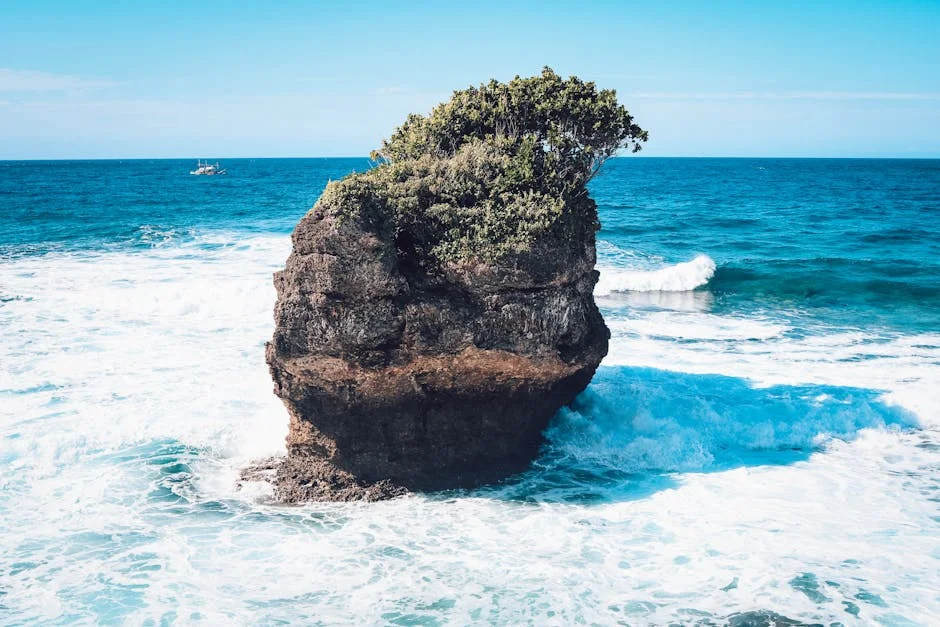
“This is the worst storm we’ve seen in over a decade,” said Alvarez. “Our priority is to ensure the safety of residents and to restore essential services as quickly as possible.” The storm also caused significant disruption to the local economy, with businesses forced to close and tourism, a key revenue source, coming to a halt.
Human Toll and Community Response
Residents described the storm as “unpredictable and brutal.” In the village of Inarajan, a 70-year-old fisherman named Joseph Delgado lost his boat and home to the storm surge. “I’ve lived here all my life, but I’ve never seen anything like this,” he said. “The water came in so fast, there was no time to react.”
Local communities have come together to support those affected. Volunteers from the Northern Mariana Islands Red Cross have been distributing food, water, and temporary shelter to displaced families. “We’re doing everything we can to help,” said Red Cross representative Linda Reyes. “But the scale of the damage is overwhelming.”
Long-Term Impacts on Daily Life
The storm has left a lasting impact on the daily lives of residents. Schools and government offices remain closed, and transportation services are limited. The local hospital, Guam Regional Medical City, reported a surge in patients with injuries from flying debris and flooding. “We’re operating at full capacity,” said hospital spokesperson Dr. James Tan. “We’re doing our best to manage the influx of patients.”
Experts warn that the long-term effects of the storm could be severe. The Northern Mariana Islands, a U.S. territory, is already vulnerable to climate change, with rising sea levels and more frequent extreme weather events. “This is a wake-up call,” said climate scientist Dr. Amina Kaur. “Without significant investment in infrastructure and disaster preparedness, communities will continue to suffer.”
Rebuilding and Recovery Efforts
The U.S. Federal Emergency Management Agency (FEMA) has pledged support for recovery efforts, with a team of 100 personnel already on the ground. “We are working closely with local authorities to provide the necessary resources,” said FEMA spokesperson Michael Chen. “Our goal is to help the community rebuild and recover as quickly as possible.”
Residents are now focusing on the next steps. The Department of Homeland Security has set up temporary shelters and is coordinating with federal agencies to secure funding for repairs. “We need to rebuild stronger,” said community leader Robert Martinez. “This is not just about fixing what was broken, but about preparing for the future.”
As the region begins the long process of recovery, the focus remains on restoring normalcy. With the next storm season approaching, officials are urging residents to prepare for potential future threats. “This is just the beginning,” said Director Alvarez. “We must stay vigilant and ready.”