India has expanded its energy subsidy scheme to include over 150,000 large industries across the country, aiming to ease the burden of rising electricity and fuel costs. The decision, announced by the Ministry of Power, follows a surge in energy prices linked to global supply chain disruptions and inflation. The move is expected to directly affect millions of workers and households, particularly in industrial hubs like Gujarat and Tamil Nadu.
Expansion of the Scheme
The revised energy support plan, launched on 15 May 2024, increases the number of eligible industries from 80,000 to 150,000. The Ministry of Power stated that the expansion is part of a broader effort to maintain economic stability amid volatile energy markets. Industries in sectors like manufacturing, textiles, and chemicals will now receive subsidies on their electricity and diesel usage.
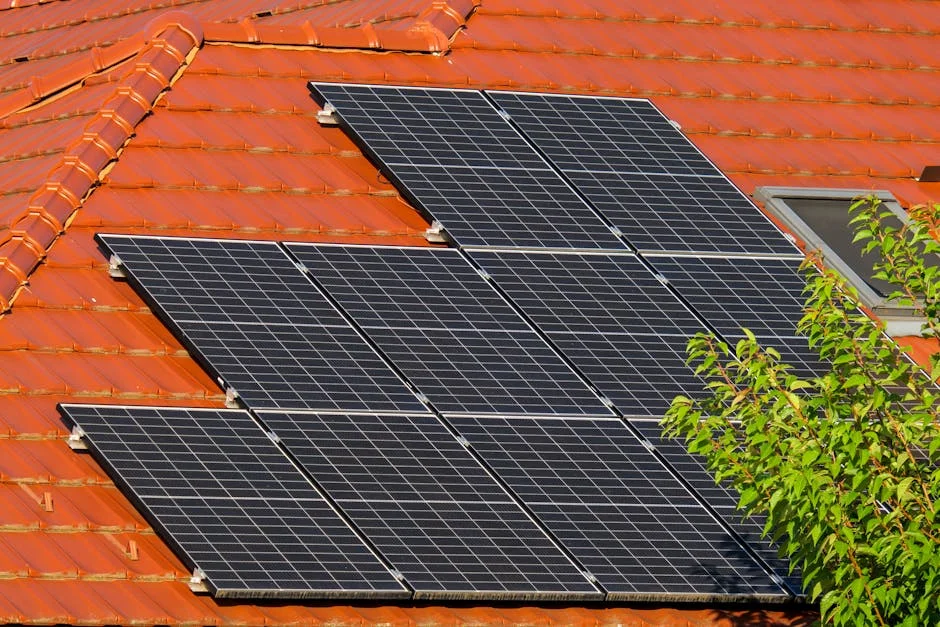
The support is calculated based on a sliding scale, with larger companies receiving more relief. For example, companies consuming over 10 megawatts of electricity will get a 20% discount on their energy bills. The initiative is expected to save over ₹2,000 crore annually for the most affected sectors.
Impact on Local Communities
The expansion of the energy subsidy has immediate implications for workers in industrial areas. In Gujarat, where many textile and chemical units are based, workers report that the subsidies have helped keep production costs stable, preventing layoffs. "The government’s decision has given us some breathing space," said Ramesh Patel, a union representative in Ahmedabad.
However, the benefits are not evenly distributed. Smaller businesses and informal sector workers, who do not qualify for the subsidy, face higher operational costs. In Tamil Nadu, where the textile industry is a major employer, many small workshops have struggled to keep up with rising energy prices. "We’re not getting any support, and our customers are demanding lower prices," said Suresh Kumar, a small-scale textile manufacturer in Coimbatore.
Regional Variations in Support
The energy subsidy plan has been rolled out differently across states. In states like Punjab and Haryana, where agriculture and manufacturing are key, the government has prioritised support for industrial units that use diesel generators. In contrast, in states like Kerala and Karnataka, where electricity costs are higher, the focus has been on grid-connected industries.
The Ministry of Power has also announced that the subsidy will be extended to 15 new industrial zones, including those in Andhra Pradesh and Telangana. This move is expected to boost local economies by keeping industries operational and reducing the risk of closures.
Challenges and Concerns
Despite the expansion, some experts warn that the subsidy may not be enough to address long-term energy challenges. "The government is reacting to short-term pressures, but we need a more sustainable energy policy," said Dr. Anjali Mehta, an energy economist at the Indian Institute of Technology Delhi.
There are also concerns about the financial sustainability of the subsidy. The Ministry of Finance has noted that the increased support could strain the national budget, especially if energy prices remain high. "We need to balance support for industries with fiscal responsibility," said Finance Secretary Rajiv Sharma.
What’s Next for the Plan?
The expanded energy subsidy plan is set to be reviewed in December 2024, with the government promising to adjust the scheme based on market conditions. Industry representatives have called for more transparency in how subsidies are distributed, especially in states where implementation has been inconsistent.
For now, the focus remains on ensuring that the subsidy reaches the intended beneficiaries. The Ministry of Power has announced that it will conduct a series of audits to prevent misuse of the scheme. Citizens and workers in industrial regions are closely watching the next steps, hoping for continued support as energy prices remain volatile.
See Also
- IShowSpeed Unveils Plan for Live Search of One Piece Treasure Box in Suruga Bay: What It Means for Japan
- IndiGo Suspends Mumbai-Manchester Flights — Travelers Left Scrambling
What is the latest news about india expands energy subsidy scheme to 150l big users?
Why does this matter for development?
What are the key facts about india expands energy subsidy scheme to 150l big users?