FC Porto’s 3-1 victory over Sporting Lisbon on Saturday has intensified the city’s long-standing football rivalry, with local fans and businesses feeling the ripple effects of the match’s outcome. The win, which saw Porto secure a crucial three points in the Primeira Liga, has sparked renewed debate over the balance of power in Portuguese football and its impact on the local economy and community spirit.
Football Rivalry Drives Community Sentiment
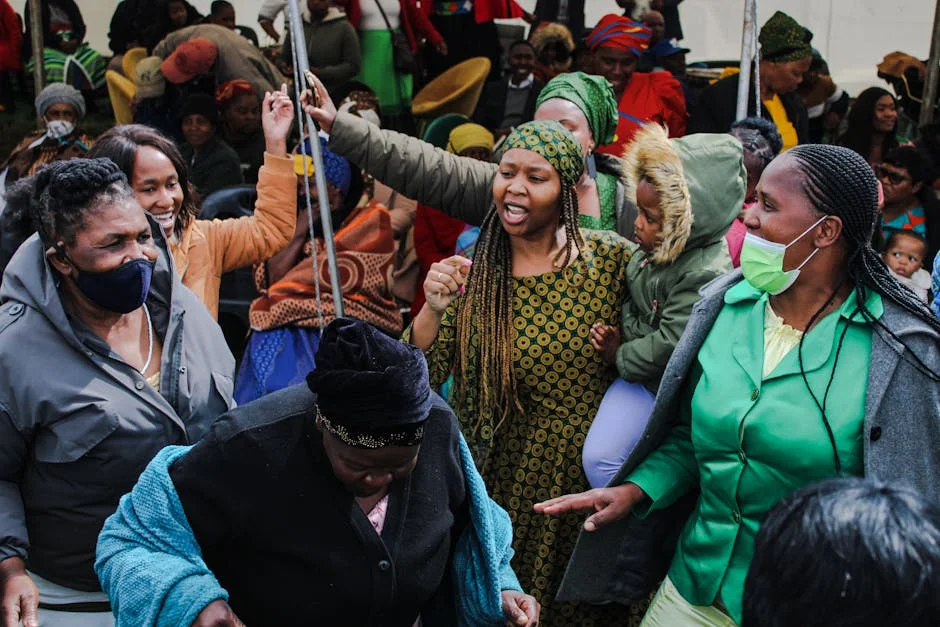
The match, played at the Estádio do Dragão in Porto, drew over 50,000 fans, with many more watching in public spaces across the city. The result has divided local communities, with Porto supporters celebrating and Lisbon-based fans expressing disappointment. For residents in both cities, the game is more than a sporting event—it’s a reflection of regional identity and pride.
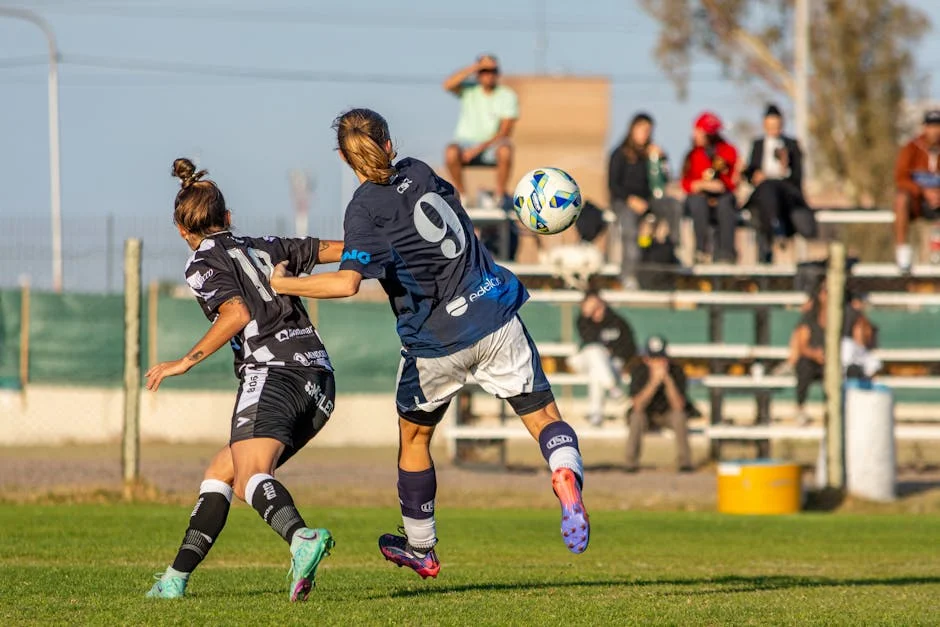
The rivalry between FC Porto and Sporting Lisbon has deep historical roots, dating back to the early 20th century. The latest win has reignited discussions about how football influences local culture and social dynamics. “This isn’t just about the teams; it’s about who we are,” said Ana Ferreira, a sports journalist based in Porto. “Every match feels like a battle for the soul of the city.”
Local Businesses Feel the Heat
Businesses in both cities have reported increased foot traffic and sales around match days, but the aftermath of the result has created a mixed economic impact. In Porto, restaurants and bars saw a surge in customers following the win, while in Lisbon, some establishments reported a drop in revenue as Sporting fans expressed their frustration.
“We had a record day after the match, but the next day was quieter than usual,” said João Silva, owner of a popular sports bar in Lisbon. “It’s like the city is divided—some are celebrating, others are disappointed.”
Impact on Regional Identity and Unity
The intense rivalry has also sparked conversations about regional identity in Portugal. FC Porto and Sporting Lisbon are not just football clubs; they represent two of the country’s most powerful cities—Porto and Lisbon. The match result has reinforced the sense of competition between these regions, with some fearing that it could lead to greater divisions.
“Football is a unifying force, but it can also highlight existing divides,” said Dr. Maria Costa, a sociologist at the University of Lisbon. “In this case, the result has brought both communities together in a shared emotional experience, but it also shows how deeply rooted these rivalries are.”
Community Responses Vary Across Regions
While some communities have embraced the rivalry as a source of pride, others are calling for a more unified approach. In Porto, local leaders have praised the city’s football culture, while in Lisbon, some officials have urged fans to focus on broader regional issues.
“We should be proud of our teams, but we also need to work together for the greater good of the country,” said Luis Mendes, a city councilor in Lisbon. “Football is part of our identity, but it shouldn’t come at the cost of unity.”
What’s Next for the Rivalry?
With the Primeira Liga season in full swing, the rivalry between FC Porto and Sporting Lisbon is set to continue. The next match between the two teams is scheduled for early April, and fans across the country are already counting down the days. The result of that game could have lasting implications for both clubs and their supporters.
For now, the latest victory by FC Porto has left a lasting mark on the region, with fans and communities still processing the emotional and economic impact of the match. As the season progresses, the question remains: will the rivalry continue to drive division, or will it serve as a unifying force for football fans across Portugal?
The coming weeks will be crucial in determining how this intense rivalry shapes the future of football in the region—and how it affects the lives of citizens in both Porto and Lisbon.