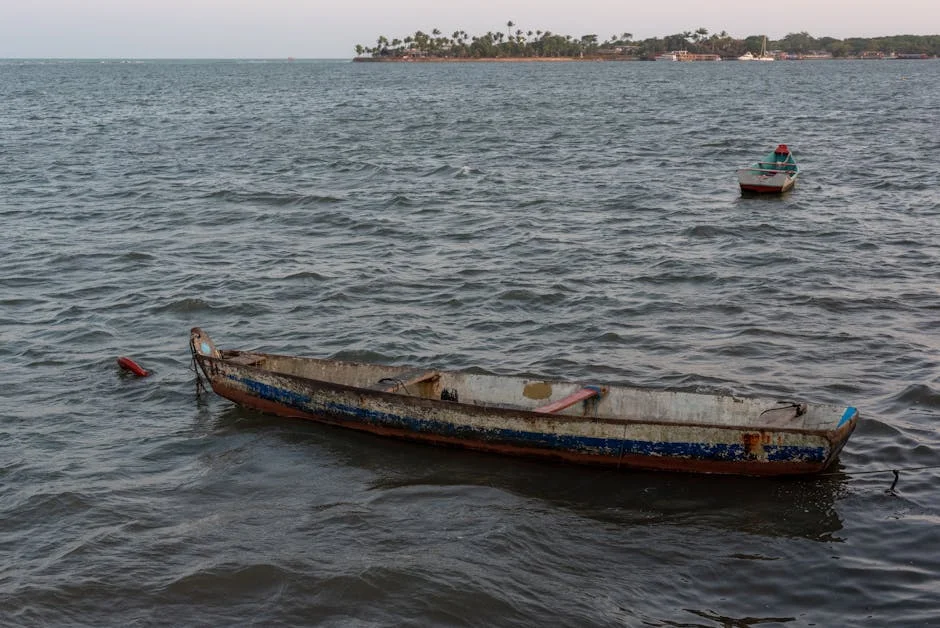
The Indian Ocean has witnessed a tragic incident as a migrant boat capsized, leaving 250 people missing, according to the United Nations. The incident occurred off the coast of Somalia, a region frequently used by migrants seeking safer passage to the Arabian Peninsula and Europe. The United Nations High Commissioner for Refugees (UNHCR) has confirmed the scale of the disaster, highlighting the growing humanitarian crisis in the region.
Tragedy in the Indian Ocean
The boat, believed to be carrying mainly Somali and Ethiopian migrants, sank on Tuesday night near the Gulf of Aden. Survivors reported that the vessel was overloaded and in poor condition, a common issue in the region. The United Nations has called the incident a "deeply alarming event," citing the lack of safety measures and the continued use of dangerous routes by displaced people.
Regional authorities have launched search and rescue operations, but the vast expanse of the Indian Ocean has made the effort extremely difficult. The UNHCR has warned that without immediate international support, more lives could be lost. "This is not just a local issue; it's a regional and global crisis," said a UN spokesperson in Geneva.
Impact on Local Communities
For communities in the Horn of Africa, the tragedy underscores the desperate conditions forcing people to take dangerous journeys. In Mogadishu, Somalia, families have been left in turmoil, with many still awaiting news of their loved ones. Local leaders have called for better support for displaced populations, arguing that the root causes of migration—such as conflict, poverty, and climate change—must be addressed.
The Indian Ocean, which borders several Indian Ocean The nations, is a critical route for both trade and migration. The region's coastal communities, particularly in Kenya and Tanzania, are also affected by the influx of migrants and the environmental degradation caused by increased maritime activity. A recent report by the United Nations Environment Programme (UNEP) highlighted the growing threat of pollution and overfishing in the area.
United Nations Response
The United Nations has announced plans to increase its presence in the region, focusing on both humanitarian aid and long-term solutions. A new initiative, funded by several European countries, will provide emergency shelter and medical care to those affected by the disaster. The UN has also urged regional governments to improve coordination and share information to prevent similar incidents.
However, critics argue that the response is too slow and underfunded. "We need immediate action, not just promises," said Dr. Amina Mohamed, a UN official based in Nairobi. "The people in the region are suffering, and the international community must step up."
Environmental and Economic Consequences
The Indian Ocean's fragile ecosystem is under increasing pressure from human activity. Overfishing, plastic pollution, and oil spills have all been cited as major threats. The recent incident has raised concerns about the environmental impact of more migrant crossings, with experts warning that the region's marine life could face long-term damage.
Locally, the incident has also affected the fishing industry. In Mombasa, Kenya, fishermen report that increased boat traffic has made it harder to navigate the waters safely. The United Nations has called for stricter regulations on maritime traffic, emphasizing the need for a balance between economic development and environmental protection.
Looking Ahead
With the search for the missing still ongoing, the United Nations has set a deadline for regional governments to submit their emergency response plans by the end of the week. The next few days will be critical in determining the fate of the 250 people lost at sea. As the world watches, the incident has once again brought attention to the complex challenges facing the Indian Ocean and its people.
The coming weeks will also see a major UN meeting on migration and climate change, where officials will discuss long-term strategies to reduce the number of people forced to take dangerous journeys. For now, the focus remains on the families still waiting for answers and the communities trying to cope with the aftermath of a disaster that has once again highlighted the fragility of life in the Indian Ocean.
See Also
- Rubio’s India Visit: Trade And Tech Deals That Hit Your Wallet
- eThekwini Municipality Renovates Montclair Lodge for Flood Victims: What It Means for Local Community
The recent incident has raised concerns about the environmental impact of more migrant crossings, with experts warning that the region's marine life could face long-term damage. A recent report by the United Nations Environment Programme (UNEP) highlighted the growing threat of pollution and overfishing in the area.