The European Union has pledged to increase its support for the United Nations in Africa, a move described as "more vital than ever" by UN officials during a Security Council meeting on Monday. The commitment comes amid rising concerns over instability in regions like the Sahel, where conflicts have displaced thousands and threatened regional security. The EU's renewed focus on Africa is seen as a critical step in addressing the growing humanitarian and political challenges across the continent.
EU's Commitment to UN in Africa
The European Union has announced plans to boost its financial and logistical support for UN missions in Africa, with a particular emphasis on conflict zones like Mali, Niger, and Burkina Faso. During the Security Council session on Monday, the EU's representative, Ambassador Maria João Rodrigues, stated that the region requires "immediate and sustained action" to prevent further escalation of violence. The pledge includes an additional €150 million in funding for peacekeeping and development programs over the next two years.
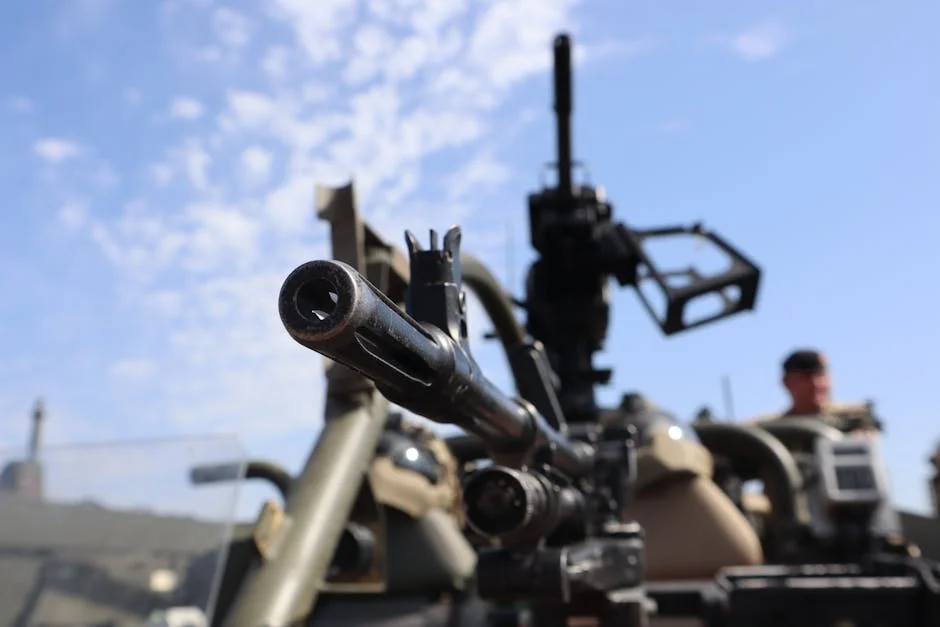
This decision follows a series of high-profile security incidents in the Sahel, including attacks on UN bases and increased activity by extremist groups. The UN's Special Representative for Africa, Amina J. Mohammed, highlighted the urgency of the situation, noting that "without stronger international support, the region faces a deepening crisis that could destabilize the entire continent." The EU’s move is expected to bolster the UN’s existing operations, such as the MINUSMA mission in Mali, which has struggled with limited resources and security threats.
Impact on Local Communities
The renewed EU support is expected to have a direct impact on communities across Africa, particularly in regions where governance is weak and humanitarian needs are acute. In Niger, for example, the EU’s funding is set to be used for food aid, health services, and infrastructure projects in areas affected by conflict. Local leaders in Niamey, the capital, have welcomed the move, with Mayor Issoufou Mahamadou stating, "This support will help us address the growing needs of our people, especially those displaced by violence."
The EU’s increased involvement also raises questions about the long-term sustainability of such aid. Critics argue that while financial support is essential, it must be accompanied by stronger political engagement and local governance reforms. In a recent report, the African Union warned that "external aid alone cannot resolve the deep-rooted challenges facing the region." Nevertheless, for now, the EU’s pledge offers a glimmer of hope for communities grappling with instability and economic hardship.
Regional Economic and Social Effects
The EU’s renewed focus on Africa is likely to have broader economic implications, particularly in countries where the UN plays a key role in stabilizing local economies. In Burkina Faso, for instance, UN development programs have helped support small-scale farmers and local businesses. With the EU’s additional funding, these initiatives are expected to expand, potentially creating jobs and improving food security in vulnerable areas.
Socially, the impact could be equally significant. In regions like the Lake Chad Basin, where decades of conflict have left millions in need of assistance, the UN's presence has been critical in providing education and healthcare services. The EU’s support is expected to help maintain these vital services, which are essential for rebuilding trust and fostering long-term stability. However, the effectiveness of these efforts will depend on the ability of local authorities to collaborate with international partners.
Challenges and Opportunities
The EU’s increased involvement in Africa also presents both challenges and opportunities. On one hand, it could lead to greater coordination between international actors and local governments, potentially improving the efficiency of aid distribution. On the other hand, there are concerns about the risk of over-reliance on external funding, which may undermine local ownership of development initiatives.
Additionally, the EU’s focus on security and stability could shift the balance of power in some African nations, where local leaders may feel sidelined by foreign intervention. This dynamic will need to be carefully managed to ensure that the EU’s support is seen as a partnership rather than an imposition.
What Comes Next?
With the EU’s pledge now in place, the next step will be the implementation of the new funding and support mechanisms. The UN and EU officials are expected to hold follow-up meetings in the coming weeks to finalize the details of the collaboration. A key challenge will be ensuring that the funds reach the most vulnerable communities, particularly in remote and conflict-affected areas.
For citizens in regions like the Sahel, the coming months will be critical. The success of the EU’s renewed support will depend on how effectively it is deployed and how well it aligns with local needs. As the Security Council continues to monitor the situation, the coming weeks will determine whether this new phase of EU-UN cooperation can deliver meaningful change on the ground.
See Also
- NAS Slams Pyrates Confraternity Over Insecurity Risks
- Impi Visser warns Blitzboks face tough battles in Vancouver: Pool fixtures revealed