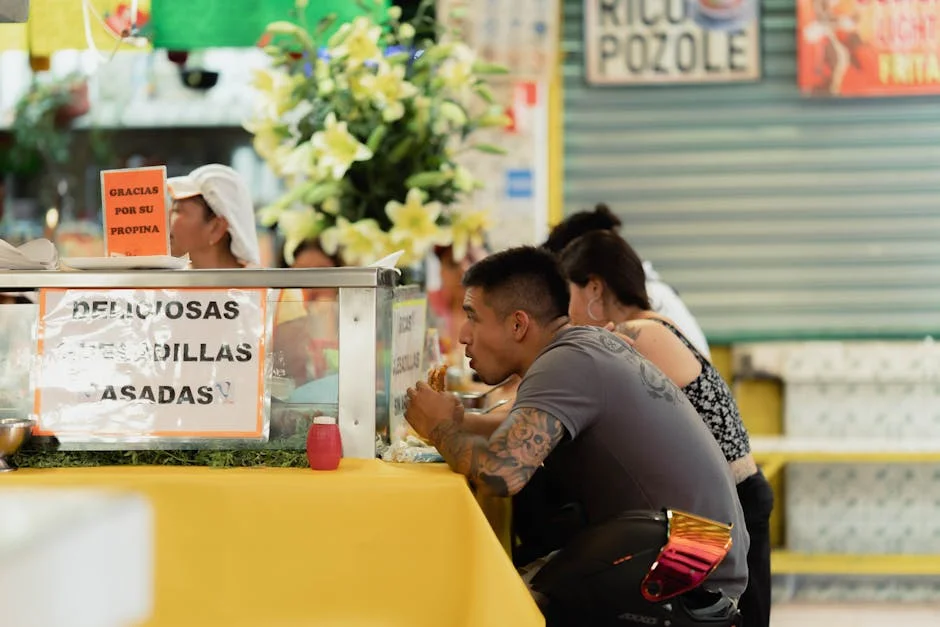
At just 17 years old, Texas student Maya Patel secured second place in a national CSPAN contest for her documentary on food insecurity under the Trump administration. The film, titled "Empty Plates," highlights the growing struggle of low-income families across the country, particularly in rural communities like Lubbock, Texas. Patel’s work, which drew on data from the US Department of Agriculture, has sparked a national conversation about the long-term effects of policy decisions on everyday citizens.
Local Impact of National Policy
Patel’s documentary focuses on how changes in federal food assistance programs have directly affected communities in Texas. According to the USDA, nearly 12% of Texans live in food-insecure households, with rural areas like Lubbock facing some of the highest rates. The film shows how cuts to the Supplemental Nutrition Assistance Program (SNAP) have led to longer lines at food banks and increased reliance on community-based initiatives.
“I spoke to families who used to get enough food through SNAP, but now they have to choose between groceries and utilities,” Patel said. “It’s not just a policy issue — it’s a human issue.” Her work has been praised by local leaders, including Lubbock City Council member David Rivera, who called it “a powerful reminder of the real-life consequences of political decisions.”
How CSPAN Shapes Public Awareness
CSPAN, the cable network known for its coverage of US politics, has long been a platform for students and young voices to share their perspectives. The contest, which has run for over a decade, gives students the chance to produce documentaries on current events, with the winning entries broadcast on national TV. Patel’s film was selected from over 200 submissions, showcasing the network’s role in amplifying youth voices on critical social issues.
“CSPAN isn’t just about politics — it’s about informing the public,” said Dr. Emily Carter, a political science professor at the University of Texas. “When students like Maya engage with real-world issues, it helps build a more informed and active citizenry.”
Broader Implications for India
While the documentary focuses on the US, its message has resonance for Indian audiences, especially those following US policy shifts that could influence global economic and trade dynamics. With the US playing a key role in international aid and food security initiatives, changes in domestic policy can have ripple effects on developing nations. For example, the Trump administration’s decision to cut funding for the World Food Programme had a direct impact on food aid to countries like India, where millions depend on such support.
“Understanding US policy is crucial for India,” said Rajiv Mehta, a political analyst based in Delhi. “When the US changes its approach to food security, it affects not just American citizens, but also global markets and aid programs.”
Community Response and Local Action
The documentary has also led to a series of town hall meetings, where residents discuss how to advocate for better support. “People are more aware now,” said local activist Jamal Carter. “They understand that their voices matter.”
What to Watch Next
Patel’s film will air on CSPAN in the coming weeks, and the network has announced plans to host a live discussion with the student and local experts. Meanwhile, the Lubbock Food Bank is preparing for its annual fundraising campaign, which will take place in October. As the US continues to grapple with food insecurity, the conversation is growing beyond policy debates and into the everyday lives of citizens across the country.