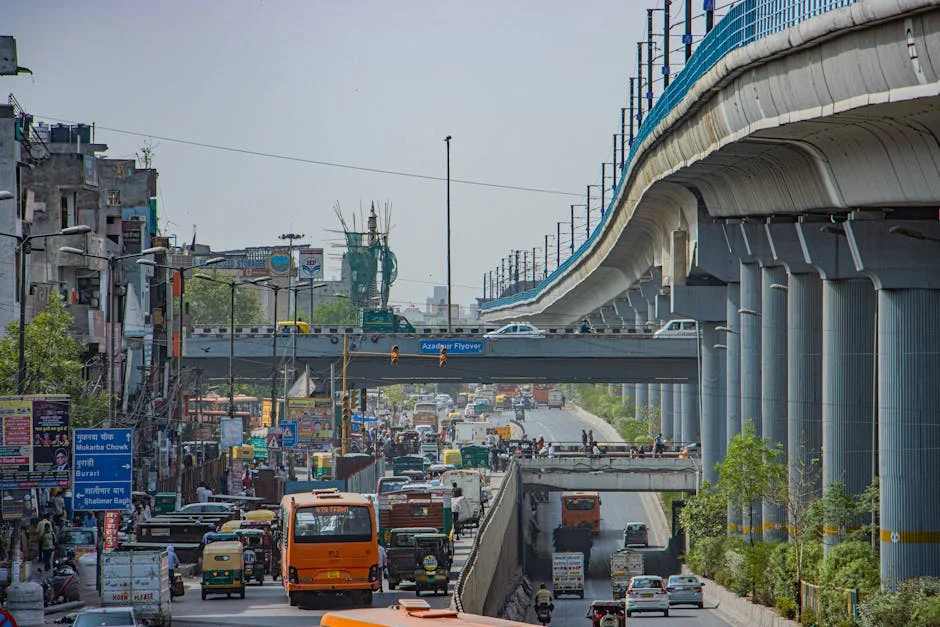
Energy Minister Hardeep Puri has assured Indian citizens that there will be no shortage of fuel despite the closure of the crucial Strait of Hormuz, a vital waterway for global oil shipments. The minister's statement comes as a relief to millions of people in India who rely on regular fuel supplies for their daily lives.
Fuel Security Maintained Despite Geopolitical Challenges
The closure of the Strait of Hormuz, which is located between Iran and the Arabian Peninsula, has been a cause for concern for many countries around the world. This narrow passage is one of the most important maritime routes for oil transportation, handling approximately 20% of the world’s oil trade. However, Minister Puri stated that India’s strategic reserves and alternative shipping routes ensure that the country remains well-equipped to handle any disruptions in fuel supply.

“India has robust arrangements in place to maintain its fuel security,” said Minister Puri. “We have diversified our sources and routes of oil imports, which means that even if the Strait of Hormuz faces issues, we can still meet our energy needs without any significant interruptions.”
The Importance of the Strait of Hormuz for Global Energy Markets
The Strait of Hormuz plays a pivotal role in the global energy landscape, with over 17 million barrels of crude oil passing through it every day. This makes it a critical artery for international trade, particularly for countries in Asia that depend heavily on Middle Eastern oil. Given India’s status as the world’s third-largest oil importer, the stability of the strait is of paramount importance to its energy security.
Minister Puri highlighted the significance of the strait by noting that India imports more than 80% of its crude oil from Gulf countries, making it especially vulnerable to any disruptions in this region. However, he emphasized that India’s strategic reserves and diversified supply chains provide a buffer against such risks.
The Impact on Daily Lives and Local Economies
The assurance provided by Minister Puri brings a sense of stability to the daily lives of Indians, many of whom are closely tied to the availability and cost of fuel. For example, families in cities like Mumbai and Delhi rely on affordable petrol and diesel prices for commuting and running their households. Similarly, businesses across the country, ranging from small shops to large manufacturing units, benefit from consistent fuel supplies to keep operations running smoothly.
In addition to personal and business use, the agricultural sector in India also depends on reliable fuel supplies. Farmers need diesel for irrigation pumps and other machinery, making the steady flow of fuel crucial for maintaining productivity and ensuring food security.
Community Response and Future Outlook
The news of Minister Puri’s reassurance has been met with relief and optimism across various communities in India. Local newspapers and social media platforms have reported widespread satisfaction among citizens, with many expressing gratitude towards the government for taking steps to safeguard the nation’s energy security.
Looking ahead, experts suggest that India will continue to focus on diversifying its energy sources and improving its infrastructure to further strengthen its resilience to global market fluctuations. This includes exploring new trade routes, investing in renewable energy, and enhancing domestic production capabilities.
Ensuring Continued Stability and Growth
By maintaining a steady supply of fuel, India not only secures the comfort and convenience of its citizens but also supports its economic growth. A stable energy supply underpins industrial activities, drives urban development, and contributes to overall national prosperity. With Minister Puri’s assurances, India is better positioned to navigate any future challenges in the global energy market and continue its journey towards becoming a leading economic power.