Delhi’s Transport Minister Pankaj Kumar Singh announced today that the city will add 200 electric buses to its fleet this month, bringing the total number of electric vehicles operated by the Delhi Transport Corporation to 7,500. The move is part of Chief Minister Rekha Gupta’s ambitious plan to make public transportation more eco-friendly and accessible.
New Buses Arrive as Part of Delhi’s Green Transport Vision
The addition of 200 new electric buses represents a significant step forward in Delhi’s journey towards becoming a greener, more sustainable city. With the current fleet set to expand to 7,500 electric buses, the city aims to reduce its carbon footprint and improve air quality for residents. “This is not just about adding more buses to our streets,” said Transport Minister Pankaj Kumar Singh. “It’s about transforming how we travel and making our city a healthier place to live.”
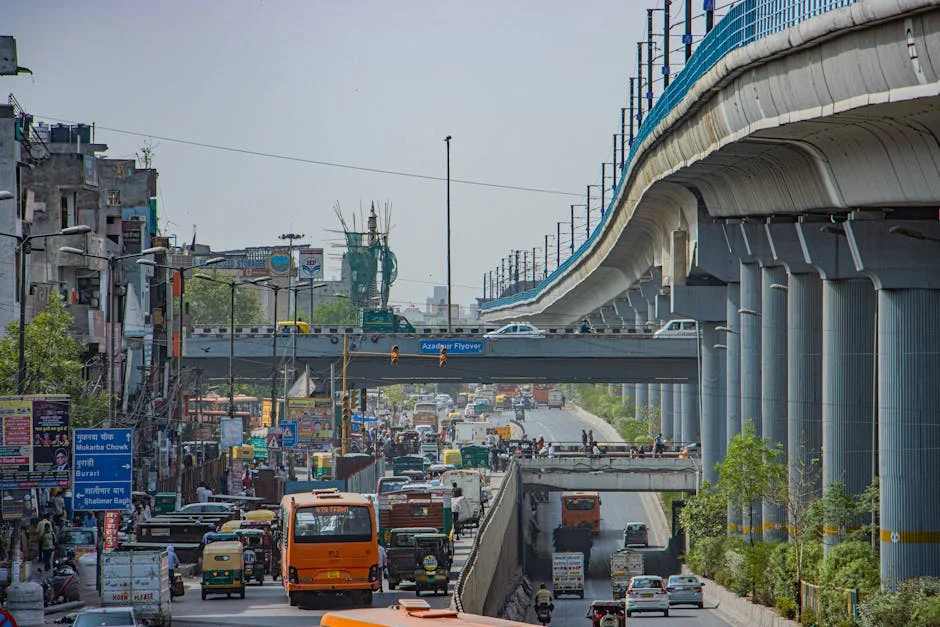
Chief Minister Rekha Gupta has been a strong advocate for green initiatives, particularly in the realm of transportation. Her vision includes not only increasing the number of electric buses but also improving the overall infrastructure to support them, such as expanding charging stations and upgrading bus stops to accommodate modern, environmentally friendly vehicles.
Impact on Daily Life and Local Economy
The arrival of these new electric buses will have a direct impact on the daily lives of Delhi residents. Commuters can expect smoother, quieter journeys with less air and noise pollution. “The electric buses are much more comfortable than the old ones,” said Anil, a regular bus rider from South Delhi. “And they’re so quiet – it’s a real improvement.”
In addition to enhancing the quality of life for residents, the expansion of the electric bus fleet also boosts the local economy. The Delhi Transport Corporation has been working closely with local manufacturers to source the buses, creating jobs and supporting small businesses. “We’re proud to see our local companies playing a key role in this important project,” said a spokesperson for the Delhi government.
Community Response and Social Impact
The community response to the new electric buses has been overwhelmingly positive. Residents appreciate the cleaner air and the modern, efficient design of the vehicles. Schools and community centres have organised tours of the buses, allowing children and adults alike to learn more about the technology and how it works.
The switch to electric buses also has social benefits, as it makes public transport more accessible for people with disabilities. The newer models feature ramps and other accommodations that make it easier for everyone to board and enjoy a comfortable ride. “These buses are a game-changer for our community,” said Meera, a disability rights activist from East Delhi. “They’re not just good for the environment – they’re good for us too.”
Future Plans and What to Watch Next
With the successful addition of 200 new electric buses this month, the Delhi government is already looking ahead to the next phase of its green transport initiative. Plans include further expansion of the fleet, continued investment in charging infrastructure, and exploration of partnerships with private operators to provide even more electric bus services to residents.
“We’re excited about the progress we’ve made so far,” said Chief Minister Rekha Gupta. “But there’s still much more to do. Our goal is to make Delhi a model for sustainable urban living, and we’re committed to keeping that momentum going.”