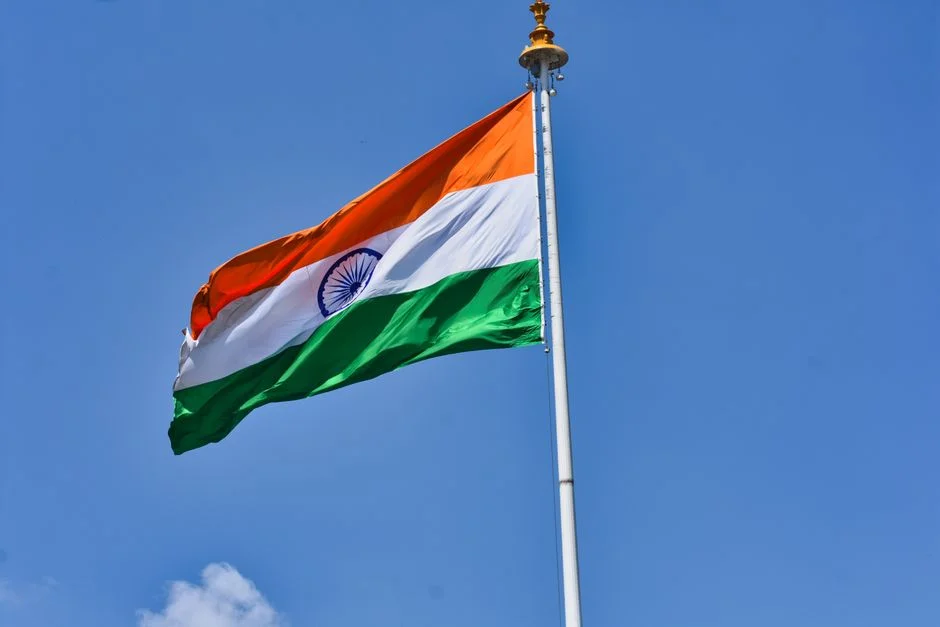
The HPCL Rajasthan Refinery Limited officially came online this week, marking a turning point in India's decades-long vulnerability to oil supply disruptions from the Persian Gulf. Located near Barmer in the Thar Desert, the facility can process 9 million tonnes of crude oil annually, replacing a significant portion of the imports that once flowed through the narrow Strait of Hormuz. Prime Minister Modi, who inaugurated the project, called it a "strategic asset" for a nation that imports more than 85 percent of its crude oil needs.
A Refinery Born from Crisis Thinking
Indian energy planners spent years watching geopolitical tensions flash across the Middle East, knowing that any disruption to tanker traffic through the Strait of Hormuz would send shockwaves through domestic fuel markets. The Rajasthan Refinery emerged from that anxiety. State-owned Hindustan Petroleum Corporation Limited pushed the project forward after oil prices spiked above $100 per barrel in 2018, recognising that each dollar increase cost India billions in additional import bills. The facility processes crude from fields in Rajasthan itself, cutting out the long sea voyage entirely.
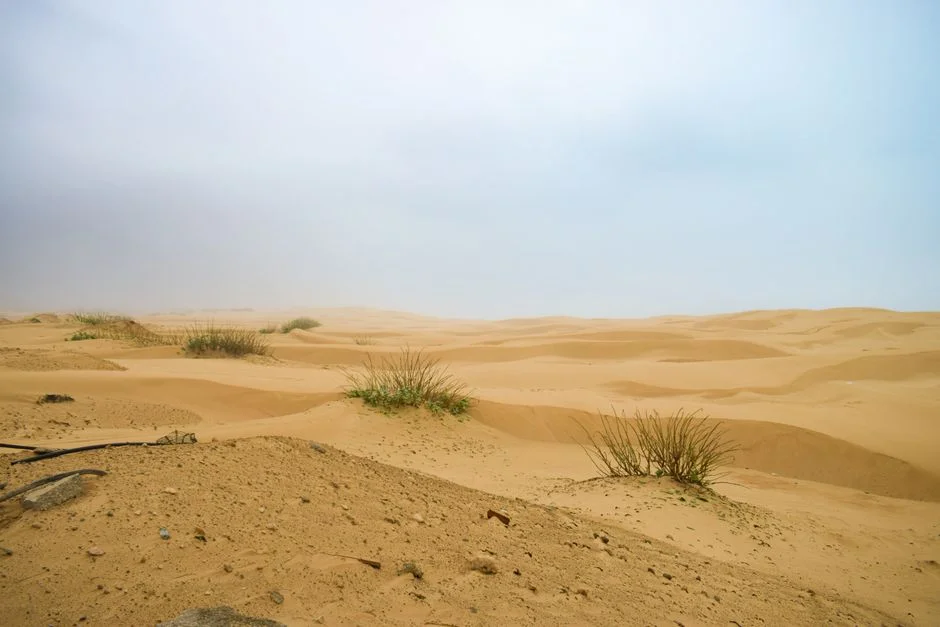
Senior officials at the Petroleum Ministry confirmed the refinery will primarily serve the northwestern states of Rajasthan, Gujarat, and Haryana. These regions have historically relied on fuel shipped from refineries on India's western coast, adding days to delivery times and inflating costs for consumers and businesses alike.
How the 'Beyond Hormuz' Strategy Works
The refinery represents the physical backbone of India's broader "Beyond Hormuz" policy, which aims to diversify energy sources and reduce the strategic exposure created by heavy dependence on Gulf crude. For years, nearly 65 percent of India's oil imports crossed through the strait, a chokepoint monitored closely by the Indian Navy. By building domestic processing capacity fed by Rajasthan oilfields and imported crude from alternative sources, New Delhi hopes to lower that share substantially by 2030.
The Rajasthan Crude Advantage
The Barmer basin contains proven reserves that geologists estimate can sustain production for another two decades at current extraction rates. The refinery's design allows it to handle the heavier, Sulphur-rich crude typical of Rajasthan fields, a technical capability that took years to develop. HPCL invested heavily in specialised processing units specifically because the local crude differs markedly from the light sweet crude preferred by many Gulf suppliers.
What This Means for Fuel Prices
Industry analysts tracking the Indian energy market say the refinery should moderate pump prices in the northwest, though the effect will build gradually rather than appear overnight. Transportation costs form a large chunk of what Indian consumers pay at the fuel pump. Cutting the journey from western coast refineries to Rajasthan's cities by hundreds of kilometres reduces that burden. The state government in Jaipur estimates savings could reach 40 paise per litre on diesel once the refinery reaches full operational capacity.
Local truck operators and agricultural businesses in Bikaner and Jodhpur, where diesel powers the machinery that keeps supply chains moving, stand to benefit most directly. Cold storage facilities for the region's famed red chilies and onions rely on diesel generators, and lower fuel costs could ease pressure on food prices that have troubled consumers for months.
Jobs and Investment in the Desert
The project injected approximately Rs 25,000 crore into Rajasthan's economy during construction, according to figures released by HPCL. Thousands of workers laboured on the site during its six-year build, and the refinery now employs around 2,500 permanent staff. Downstream industries including petrochemicals and polymer manufacturing are expected to set up nearby, though those projects remain at various stages of planning.
Rajasthan's Chief Minister has publicly linked the refinery to his government's ambitions for industrialisation in a state where agriculture still employs the majority of workers. Whether those downstream factories materialise will determine whether the refinery delivers lasting economic change or simply processes crude and ships it elsewhere.
Challenges That Remain
Water scarcity in the Thar Desert presents a persistent operational challenge. The refinery requires enormous volumes for cooling and processing, and Rajasthan's summers routinely push temperatures above 45 degrees Celsius. HPCL has built a dedicated pipeline from the Indira Gandhi Canal, a decision that has drawn criticism from farmers who worry about reduced water allocations to their fields. The company maintains it has negotiated an arrangement that protects agricultural users, but disputes over water rights surface regularly in state politics.
Environmental clearances for the project took years to secure, with regulators demanding additional studies on dust pollution and habitat disruption for the Great Indian Bustard, an endangered species native to the region. Those concerns have not disappeared, and environmental groups continue to monitor the refinery's compliance with conditions attached to its permits.
Looking Ahead: The Next Phase
HPCL plans to expand the refinery's capacity to 18 million tonnes by 2027, which would make it one of the largest processing facilities in India. That expansion depends on successful exploration of additional oil blocks in the nearby Jaisalmer basin, where drilling results have been mixed so far. The company has committed Rs 10,000 crore for exploration work over the next five years, betting that new discoveries will provide the crude needed to fill expanded capacity.
Watch for the next exploration report due from HPCL's geosciences division in September. If the results confirm commercially viable reserves, India's energy map could look very different by the end of the decade.
See Also
- Delhi Weather Triggers Chaos as Rain and Hail Lash City
- ANC Names Nkabane Deputy Chief Whip Despite Past Controversies - Explained
Rajasthan's Chief Minister has publicly linked the refinery to his government's ambitions for industrialisation in a state where agriculture still employs the majority of workers. HPCL has built a dedicated pipeline from the Indira Gandhi Canal, a decision that has drawn criticism from farmers who worry about reduced water allocations to their fields.
What is the latest news about indias desert megaproject that could end its oil dependence on the gulf?
Why does this matter for politics-governance?
What are the key facts about indias desert megaproject that could end its oil dependence on the gulf?