Delhi Police raided a warehouse in the Narela area on Thursday and dismantled an operation allegedly repackaging expired food items for resale. Officers seized products valued at more than Rs 20 lakh during the raid. Two individuals were taken into custody, according to a police statement.
Raid Uncovers Repackaging Operation
The Special Staff unit acting on a tip-off targeted the warehouse in Narela, a wholesale food hub in north Delhi. Inside, investigators found stacks of packaged goods bearing tampered expiration labels. The police statement said the facility had been operating as a repackaging operation, taking in expired stock and giving it fresh dates before sending it back into the market.
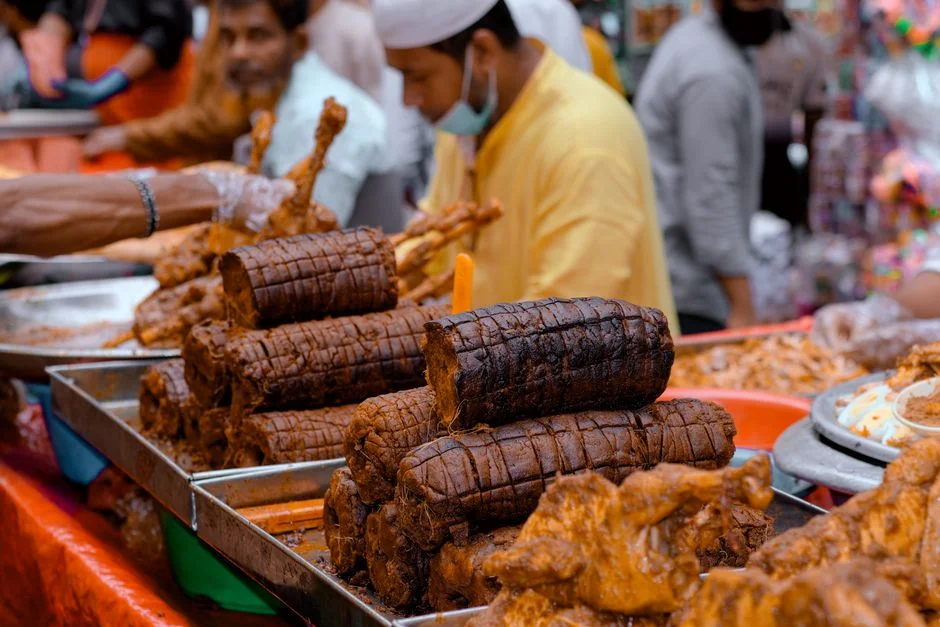
The accused allegedly sourced expired products from multiple distributors at steep discounts. They then removed original packaging or altered printed dates, repackaged the items, and circulated them through unverified channels. Police said the scale of the operation suggested it had been running for several months before the raid.
Seized Products and Estimated Value
Authorities recovered a range of food items from the premises. The police statement listed multiple categories including rice, spices, cooking oils, and packaged snacks. The total estimated value of the seized goods exceeded Rs 20 lakh. Officers also seized packing materials, labeling equipment, and documentation they said would help trace the distribution network.
The Food Safety and Standards Authority of India (FSSAI) sets labelling standards requiring manufacturers to print batch numbers, manufacturing dates, and expiration dates on all packaged food products. FSSAI regulations prohibit the sale of food past its use-by date.
Health Risks From Expired Food
Consuming expired food can cause food poisoning, bacterial infections, and allergic reactions depending on the product and storage conditions. Packaged goods that have passed their expiration date may develop toxin-producing bacteria even if the packaging appears intact. Children, pregnant women, and the elderly face heightened vulnerability to foodborne illness.
Delhi has recorded previous food safety incidents involving expired or adulterated products sold through informal wholesale channels. Health officials have repeatedly warned consumers to verify packaging integrity before purchase.
Arrests and Investigation
Two suspects were arrested at the scene. Police have not released their names pending further investigation. The accused are expected to be formally charged under relevant sections of the Food Safety Act, which prescribe penalties including fines and imprisonment for violations. Investigators are examining records recovered from the warehouse to map the full supply chain and identify other points of sale.
The police statement said officers were working to determine how long the operation had been active and how far the products had already reached. Authorities have urged anyone with information about suspicious food sales to contact local police or the food safety helpline.
Citizens Should Verify Purchases
Consumers shopping at wholesale markets or through informal vendors should check all dates on packaging before buying. Products with damaged labels, inconsistent printing, or no visible expiration information should be avoided. Receipts from bulk purchases can help authorities trace the source if a problem is later identified.
The Food Safety Department for Delhi maintains a complaint mechanism for reporting suspected unsafe food. Citizens can also use the FSSAI consumer helpline for guidance on unsafe products.
What Happens Next
Police said forensic analysis of the packing materials and documentation was underway. The seized products will undergo laboratory testing to determine whether any posed an immediate health hazard beyond their expired status. Investigators expect the examination to take several weeks.
The two arrested individuals will face court proceedings. If convicted under the Food Safety and Standards Act, they could face fines and up to six months in prison for the first offence. The case is likely to trigger a broader review of food safety compliance at wholesale markets in the region.
Authorities have advised retailers purchasing from Narela and similar hubs to verify supplier credentials and maintain records of their purchases. The Food Safety Department is expected to announce enhanced inspection protocols at major wholesale food markets in the coming weeks.
See Also
- South Africa targets final berth at Eden Gardens Semifinal: local hopes soar
- Buenos Aires Blends Faith and Techno in Tribute to Pope Francis
Citizens can also use the FSSAI consumer helpline for guidance on unsafe products.What Happens NextPolice said forensic analysis of the packing materials and documentation was underway. The Food Safety Department is expected to announce enhanced inspection protocols at major wholesale food markets in the coming weeks.