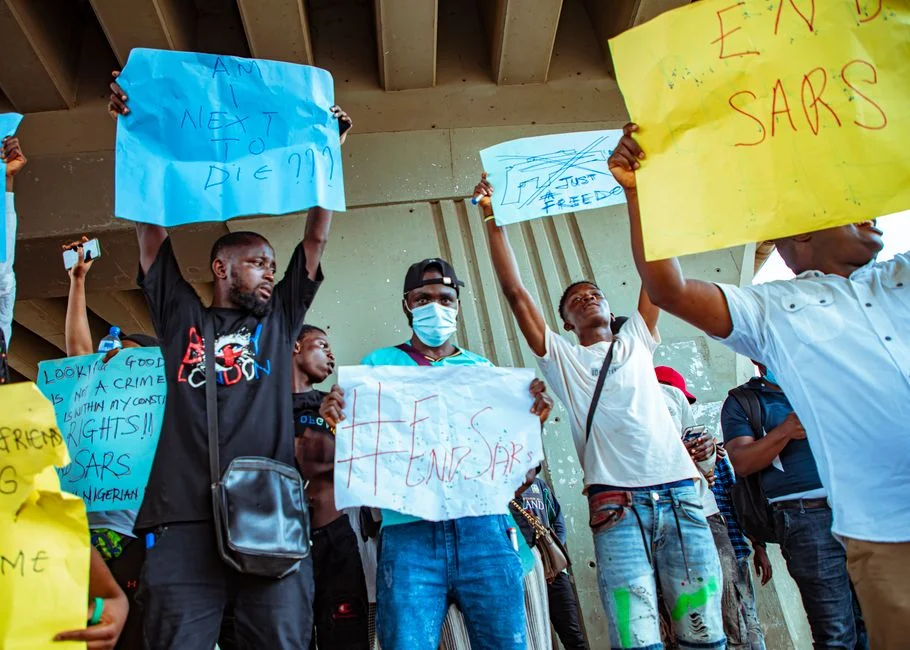
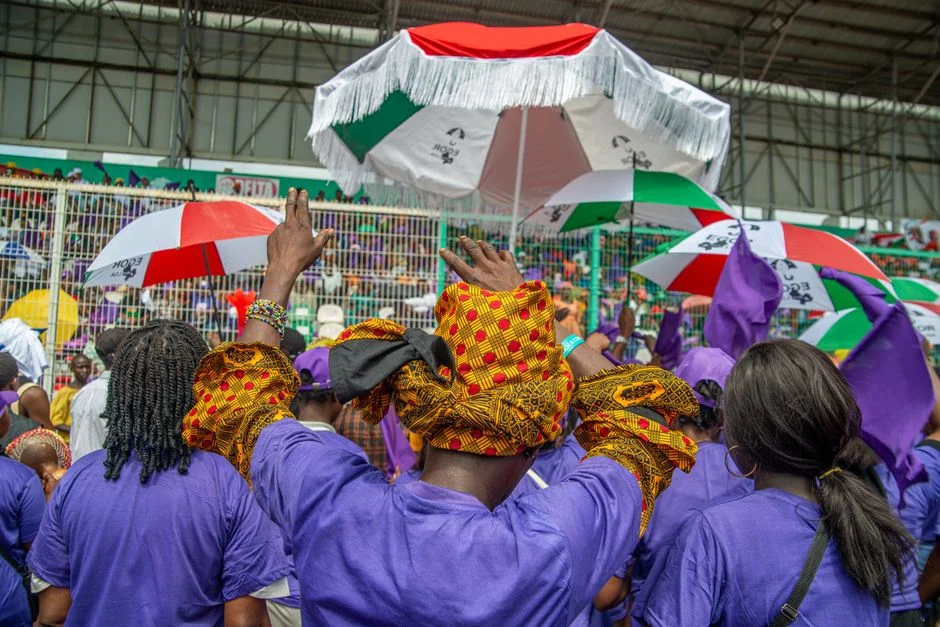
The Nigeria Labour Congress has raised pointed questions about long-standing payment obligations after President Bola Tinubu moved to restore gratuity payments for certain categories of workers. The development, which the NLC described as requiring scrutiny, comes decades after the original payment structure was first established under military rule. Officials at the Ministry of Labour and Employment have declined to specify which worker categories qualify under the restored scheme or when disbursements will begin. The Labour Congress is demanding clear answers about whether the restored programme covers all outstanding claims stretching back to the 1990s.
Tinubu's Gratuity Restoration Explained
President Tinubu announced the restoration of gratuity payments during a workers' commemoration event in Abuja. The announcement marked a reversal of earlier austerity measures that had suspended or reduced such payments for certain civil service employees. According to Vanguard News, the Ministry of Finance has been instructed to work with the Ministry of Labour to operationalise the restored scheme. The move affects workers who retired or were due to retire under the old gratuity framework. Details about the qualifying period and calculation methodology remain scarce, prompting the Labour Congress to request a formal briefing from relevant ministries.
Labour Congress Calls for Transparency
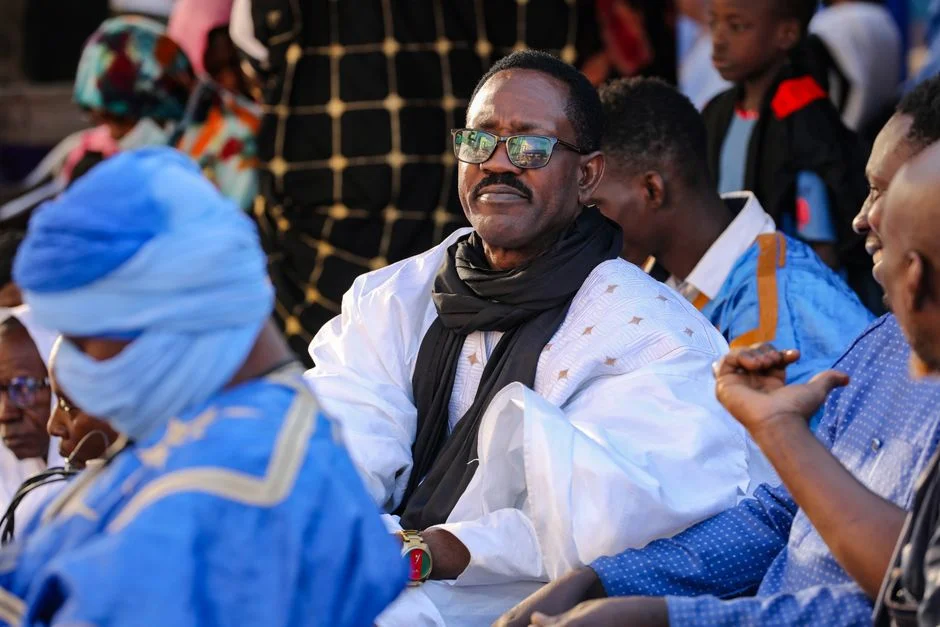
The Nigeria Labour Congress welcomed the announcement but insisted it raised more questions than it answered. NLC President Joe Ajaero told reporters the organisation had formally requested documentation explaining how far back the restored gratuity obligations would extend. "Workers who served this country for decades deserve clarity, not ambiguity," Ajaero stated. The Congress wants the government to confirm whether retroactively owed gratuity payments from previous administrations will be honoured. Union representatives argue that ambiguity about payment timelines creates uncertainty for retirees who depend on these funds for basic living expenses.
Retroactive Claims Under Scrutiny
The core dispute centres on whether the restored scheme will cover gratuity claims dating back to the 1990s and early 2000s. Some retired workers have pursued legal action to recover these payments through the courts. Local media have reported cases of retirees who passed away before receiving gratuity they were owed, leaving families without expected financial support. The Labour Congress is pushing for a comprehensive audit of all outstanding gratuity liabilities before disbursements begin. Without such an audit, union officials warn that many legitimate claimants could be excluded from the restored programme.
Historical Context of Nigeria's Gratuity System
Nigeria's gratuity system was originally structured to provide lump-sum payments to civil servants upon retirement, calculated based on years of service and final salary. The programme underwent significant changes during the 1990s under military rule, when payment schedules became irregular. Successive civilian administrations have grappled with the accumulated liability. Official figures cited in Labour Ministry reports suggest billions of naira in gratuity obligations remain unpaid across federal and state government agencies. The pension reform of 2004 attempted to address some of these issues by transitioning to a Contributory Pension Scheme, but legacy gratuity claims have persisted.
Government Response and Next Steps
The Ministry of Labour and Employment issued a statement confirming that work was underway to implement the restored gratuity programme. A ministry spokesperson indicated that a technical committee had been established to review eligibility criteria and payment schedules. However, the statement provided no timeline for when affected workers could expect to receive funds. The Ministry of Finance has not yet released a budget allocation figure for the restored scheme. Parliamentarians from the National Assembly have called for an emergency session to question officials from both ministries about the programme's scope and funding mechanisms.
Impact on Affected Workers
For many retired civil servants, gratuity represents a critical component of retirement planning. Workers who retired between 1995 and 2004 have been particularly affected by payment delays and disputes. Trade union representatives in Lagos, Kano, and Port Harcourt have reported receiving complaints from retirees who have waited years for gratuity they are owed. The uncertainty has forced some retirees to rely on informal economic activity to cover daily expenses. Family members of deceased retirees say the situation has caused severe financial hardship, particularly for widows and children who expected to receive the deceased's gratuity benefits. The Labour Congress has pledged to compile a comprehensive list of affected workers to present to the government.
What Workers Should Watch For
The Labour Congress is expected to release detailed guidance for workers seeking to claim gratuity under the restored programme. Union officials recommend that retired workers gather documentation including retirement letters, service records, and any previous correspondence with pension authorities. Workers in Abuja and state capitals can contact local NLC offices for assistance with claims documentation. The Ministry of Labour has indicated it will establish a dedicated helpline for gratuity inquiries once operational details are finalised. Parliament is scheduled to debate the gratuity restoration when the National Assembly reconvenes next month.
Timeline and Parliamentary Oversight
National Assembly sources indicate that the Senate Committee on Labour is preparing to summon the Minister of Labour and the Minister of Finance to explain the funding structure behind the restored gratuity programme. The hearing is expected to take place within the next three weeks. Committee Chairman Senator Waheed Akande confirmed that lawmakers want specific answers about retroactive payments and whether states will be required to implement similar restorations for their own civil servants. The outcome of these parliamentary sessions will determine whether the restored scheme covers only new claims or addresses the decades-old liabilities that prompted the Labour Congress to raise questions in the first place.
See Also
- FCC Chair Slams Broadcasters: Licenses Revoked if Iran War Coverage Falls Short
- Trump's Nuclear Rhetoric Sparks Concern in India
What is the latest news about tinubu restores gratuity labour congress demands answers on 30year debts?
Why does this matter for politics-governance?
What are the key facts about tinubu restores gratuity labour congress demands answers on 30year debts?