The United Kingdom government has officially endorsed the return of golden eagles to English skies, marking a bold ecological shift that will reshape rural communities. This decision directly impacts farmers, hunters, and nature enthusiasts across the country, promising both economic opportunities and new challenges. Citizens in regions like Cumbria and the Peak District are already preparing for the arrival of these apex predators.
A New Era for English Wildlife
Golden eagles have not nested in England for over a century, making their return a historic milestone for conservationists. The government’s backing signals a strategic move to restore biodiversity in areas previously dominated by sheep farming and forestry. This initiative is not just about birds; it is about redefining the relationship between land use and wildlife in modern England.
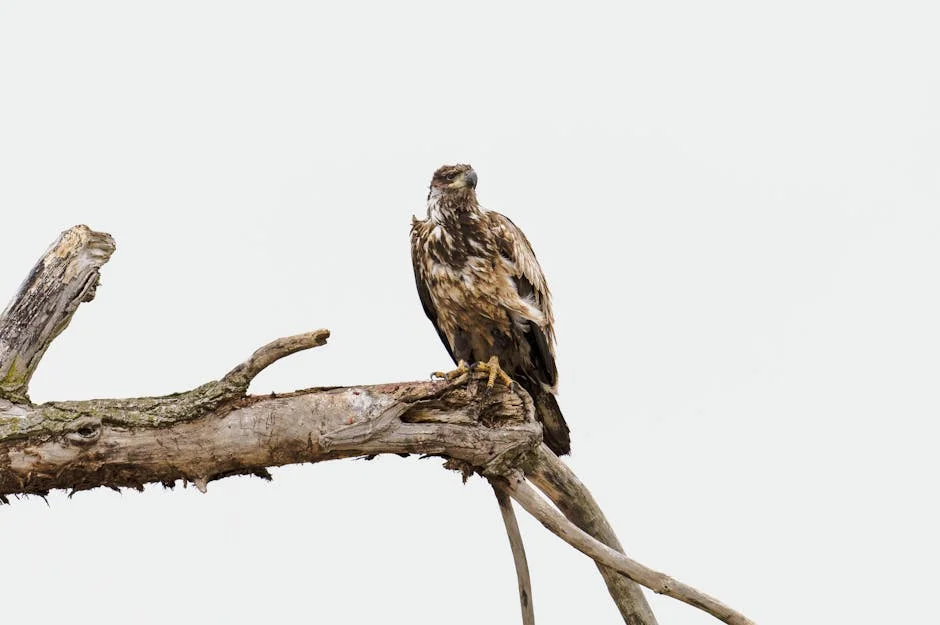
Conservation groups have celebrated the decision, noting that the golden eagle serves as a keystone species. Its presence indicates a healthy ecosystem with sufficient prey and varied terrain. The Department for Environment, Food and Rural Affairs (Defra) has outlined a phased approach to reintroduction, aiming for a sustainable population within the next decade. This long-term vision requires patience and active engagement from local stakeholders.
Impact on Rural Livelihoods
For farmers, the arrival of golden eagles brings a mix of excitement and anxiety. Sheep farmers in Cumbria, one of the primary target regions, worry about potential predation on their livestock. While golden eagles primarily hunt hares and rabbits, they are opportunistic feeders that may target lambs and young calves. This reality forces farmers to adapt their grazing patterns and invest in new fencing or guardian animals.
The economic implications are significant. Some farmers anticipate increased costs, while others see an opportunity for eco-tourism. Birdwatchers and photographers from across the UK and Europe are expected to flock to these regions, bringing revenue to local pubs, B&Bs, and shops. This shift could help diversify the rural economy, reducing reliance on traditional agricultural subsidies. However, balancing these benefits with the daily realities of farm life remains a critical challenge for communities.
Adapting Farming Practices
Farmers are being encouraged to adopt new strategies to coexist with the eagles. This includes rotating grazing lands to keep lambs away from prime hunting grounds and using livestock guardian dogs. Some communities are exploring cooperative models where neighboring farms share resources and information. These adaptations require upfront investment but promise long-term resilience for both the land and the livestock.
Community Reactions and Social Dynamics
Local communities are divided in their response to the golden eagle’s return. Nature enthusiasts and residents who value natural beauty are largely supportive, seeing the eagle as a symbol of a thriving countryside. They argue that the bird’s majestic presence enhances the quality of life and attracts visitors. This sentiment is strong in areas like the Lake District, where tourism is already a major economic driver.
Conversely, some rural residents express concern about the loss of traditional landscapes and the potential for conflict. There is a fear that wildlife management might prioritize birds over human needs, leading to a sense of disenfranchisement. Community meetings in towns like Keswick and Buxton have become forums for open dialogue, where residents voice their hopes and fears. These discussions are crucial for building social cohesion and ensuring that the reintroduction process is inclusive.
Economic Opportunities and Challenges
The return of golden eagles presents clear economic opportunities, particularly in the tourism sector. Hotels and guest houses are already marketing "eagle-watching" packages, anticipating a surge in visitors. Local businesses are investing in infrastructure to accommodate this influx, from upgraded trails to specialized guided tours. This economic boost could help revitalize villages that have struggled with population decline and aging demographics.
However, these benefits are not evenly distributed. Not all rural areas are equally positioned to capitalize on eco-tourism. Regions with less developed infrastructure may find it harder to attract visitors, potentially widening the gap between prosperous and struggling communities. Additionally, the initial costs of adapting to the eagles, such as buying new fencing or hiring guides, fall heavily on local farmers and business owners. Government grants and subsidies will play a vital role in mitigating these financial pressures.
What to Watch Next
The next phase of the golden eagle reintroduction will focus on pilot programs in selected regions. The government plans to release the first batch of eagles in early 2025, with monitoring efforts underway to track their health and integration. Citizens should watch for updates on funding allocations for local farmers and the launch of community engagement initiatives. The success of this project will depend on how well stakeholders collaborate and adapt to the changing landscape.
See Also
- Kerala Assembly Elections 2026: Muslim Vote Shift Worries LDF
- Union Coal Minister Manmohan Samal confirms Rajya Sabha candidacy in Odisha — what it means for voters