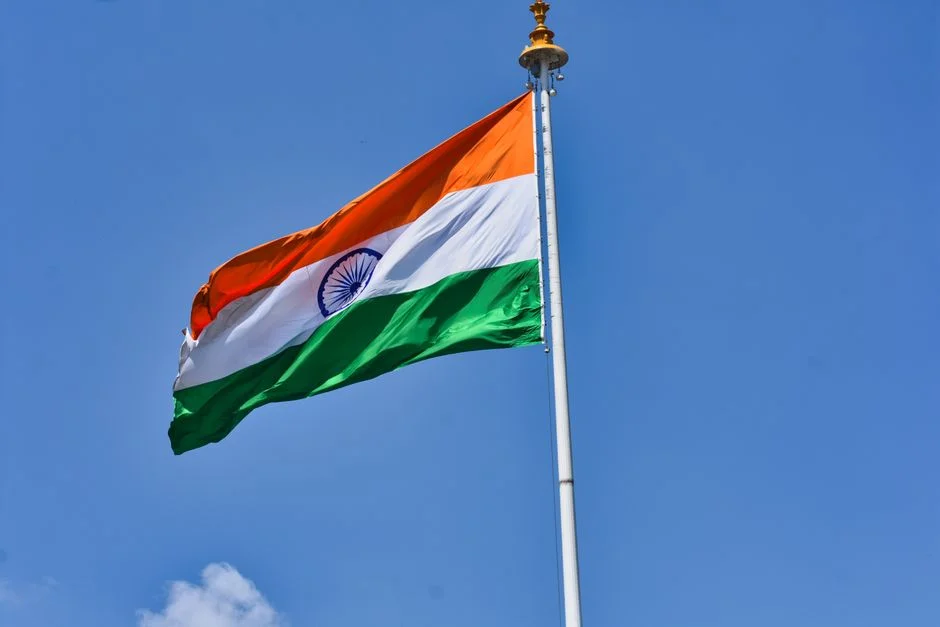
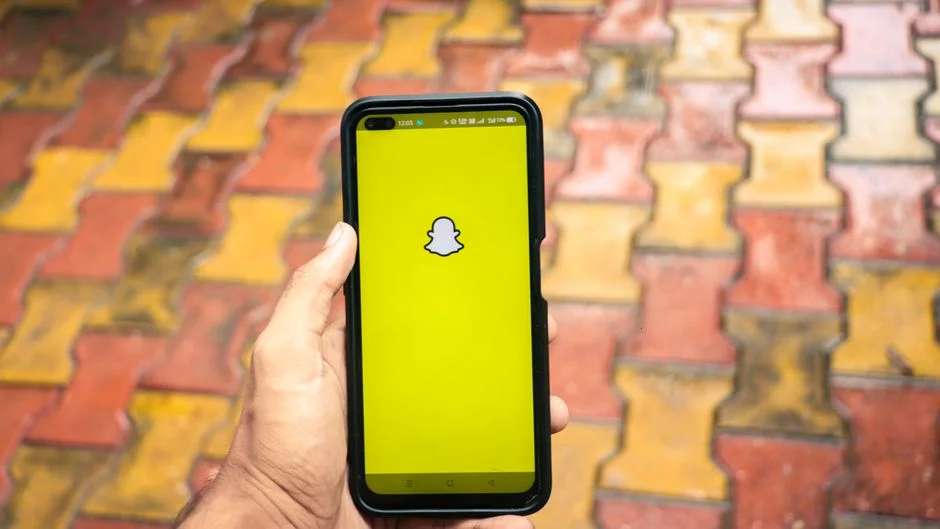
While the United Kingdom and Australia have moved to restrict children under 16 from accessing social media platforms, India continues to allow teenagers below that age threshold full access to sites including Instagram, Snapchat, and TikTok. The divergence in regulatory approaches has sparked debate over whether New Delhi should follow the Western playbook on youth digital safety — or whether a ban would do more harm than good in a country where millions of young people rely on these platforms for education and income.
A Patchwork of Regulations
India's current approach to online safety for minors relies on self-regulation by platforms rather than hard legal bans. The Information Technology (Intermediary Guidelines and Digital Media Ethics Code) Rules, 2021, require social media firms to deploy age assurance mechanisms, though enforcement has been inconsistent. The government has been reviewing additional measures but has stopped short of introducing blanket age restrictions comparable to those now in place in London and Canberra.
Australia's Under-Secretary for the Department of Home Affairs has described the country's eSafety Commissioner as a world-first enforcement body with real teeth. The Online Safety Act gives the regulator power to fine companies up to AUD 50 million for systemic failures to protect children. Britain has taken a similar stance, with the Online Safety Act placing duty-of-care obligations on platforms. Both nations criminalise repeated breach of age-verification requirements.
Why India Hesitates
Government officials have cited three main concerns about adopting a strict under-16 ban. First, roughly 400 million Indians remain without reliable internet access, and those who are connected often share devices within extended families. Age verification systems that work in households where every adult has a smartphone become far more complex in environments with shared devices and limited digital literacy.
Second, India's massive gig economy includes millions of micro-entrepreneurs who sell products through Instagram and WhatsApp Business. A hard age cut-off would disrupt livelihoods for families operating small-scale enterprises through social channels. The informal economy accounts for a substantial portion of India's workforce, and many of these workers began their digital presence as teenagers.
Third, enforcement infrastructure remains uneven across India's 28 states and eight union territories. What works in Bengaluru's tech corridor does not automatically translate to rural Jharkhand or northeastern states where digital literacy lags by years. Civil servants within the Ministry of Electronics and Information Technology have acknowledged that a ban without supporting infrastructure could simply push young users toward VPNs and unverified platforms outside regulatory reach.
The Digital Divide Factor
India's digital development story is inseparable from questions of access and equity. The country added over 50 million internet users in 2023 alone, with growth concentrated in tier-two and tier-three cities. For many first-generation internet users — particularly in rural areas — social media represents their primary on-ramp to digital services, banking, and government schemes accessed through platforms like WhatsApp. Restricting that access for anyone under 16 could create a generation gap that widens existing inequalities rather than closing them.
The Children's Safety Debate
Child psychologists and safety advocates in India have pushed for stronger protections. The National Commission for Protection of Child Rights has called for mandatory parental controls and clearer reporting mechanisms for cyberbullying. Several states, including Maharashtra and Karnataka, have introduced their own guidelines for school-related screen time. But these measures stop short of outright prohibition.
Platform companies have responded by introducing teen accounts with restricted features — automatic privacy settings, limits on direct messaging, and reduced algorithmic recommendations. Meta, which owns Instagram, confirmed it has rolled out these defaults across India for accounts registered as under 18. Critics argue these measures are insufficient because they rely on self-reported ages that teenagers routinely bypass.
Lessons from Abroad
The UK and Australian experiences offer mixed signals for Indian policymakers. Australia's eSafety Commissioner reported a 33 percent reduction in harmful content exposure for teen users within the first year of enforcement. However, critics point out that teenagers simply switched to messaging apps and anonymous platforms where parental oversight is even harder. Britain has faced similar substitution effects, with youth use of encrypted messaging services rising sharply since the Online Safety Act came into force.
Neither country has a digital population comparable to India's scale or diversity. Britain's internet ecosystem is concentrated among a handful of platforms in a country of 67 million people. India, by contrast, has over 900 million internet users spread across thousands of distinct linguistic and cultural communities. One-size-fits-all regulation from Westminster or Canberra does not account for the complexity of India's digital public square.
What Parents and Educators Say
Reactions among Indian families reflect this complexity. In metropolitan areas, parents increasingly worry about screen addiction and exposure to harmful content. Schools in cities like Chennai, Hyderabad, and Pune have introduced digital wellness curricula, and several private school networks have banned smartphones on campus entirely. These grassroots responses suggest demand for change — but the form it should take remains contested.
In rural and semi-urban India, the conversation looks different. WhatsApp groups serve as community notice boards, school communication channels, and market connections simultaneously. For many households, separating social media access from the practical tools of daily life is impossible. Parents in these communities often lack the technical knowledge to implement parental controls, making an outright ban theoretically appealing but operationally difficult.
What Comes Next
The Ministry of Electronics and Information Technology has indicated it will release updated guidance on children's online safety before the end of the current parliamentary session. Sources within the ministry suggest a tiered approach is under consideration — stricter controls for users under 13, where India already aligns with international norms through its IT rules, with graduated restrictions for teenagers rather than a hard ban. Industry groups representing tech platforms have submitted recommendations favouring this middle path, arguing that complete prohibition would drive users toward unregulated spaces.
Whether that middle ground satisfies child safety advocates or assuages parental concerns remains to be seen. India appears to be charting its own course — one shaped by its unique scale, digital divide, and economic dependence on platforms that, for better or worse, have become essential infrastructure for hundreds of millions of citizens.
See Also
- Proton Therapy Offers New Hope to Asbestos Cancer Patients - Life-Changing Treatment Unveiled
- Phoebe's Rare Condition Uncovered by ChatGPT After Years of Misdiagnosis
Critics argue these measures are insufficient because they rely on self-reported ages that teenagers routinely bypass.Lessons from AbroadThe UK and Australian experiences offer mixed signals for Indian policymakers. However, critics point out that teenagers simply switched to messaging apps and anonymous platforms where parental oversight is even harder.
What is the latest news about india refuses to ban social media for under16s and explains why?
Why does this matter for health-medicine?
What are the key facts about india refuses to ban social media for under16s and explains why?