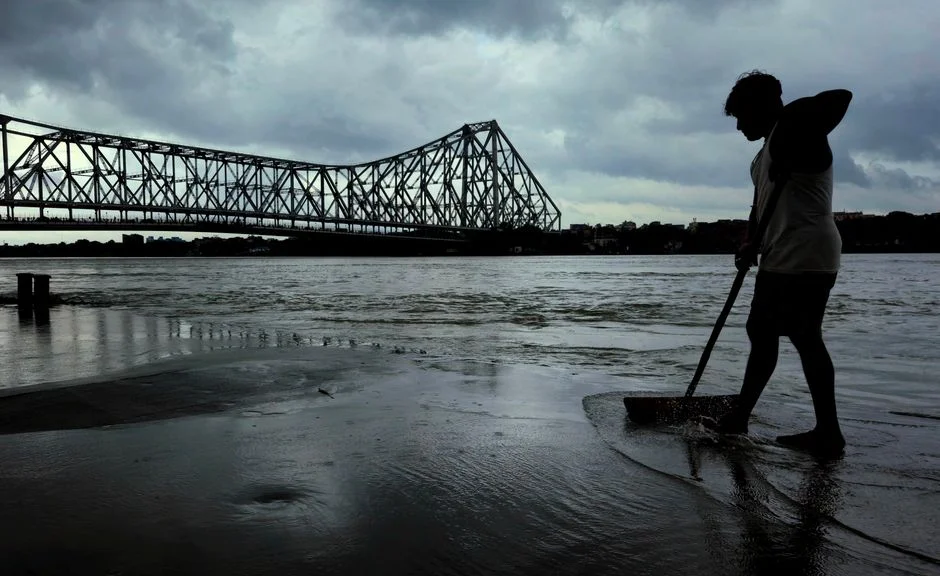
The Indian Meteorological Department (IMD) has revised its monsoon forecast, predicting rainfall at only 90% of the average for this season. This announcement, made on June 1, comes as North India grapples with the effects of an intensifying El Niño, which is expected to lead to increased temperatures and less predictable weather patterns.
Understanding the Impact of Reduced Rainfall
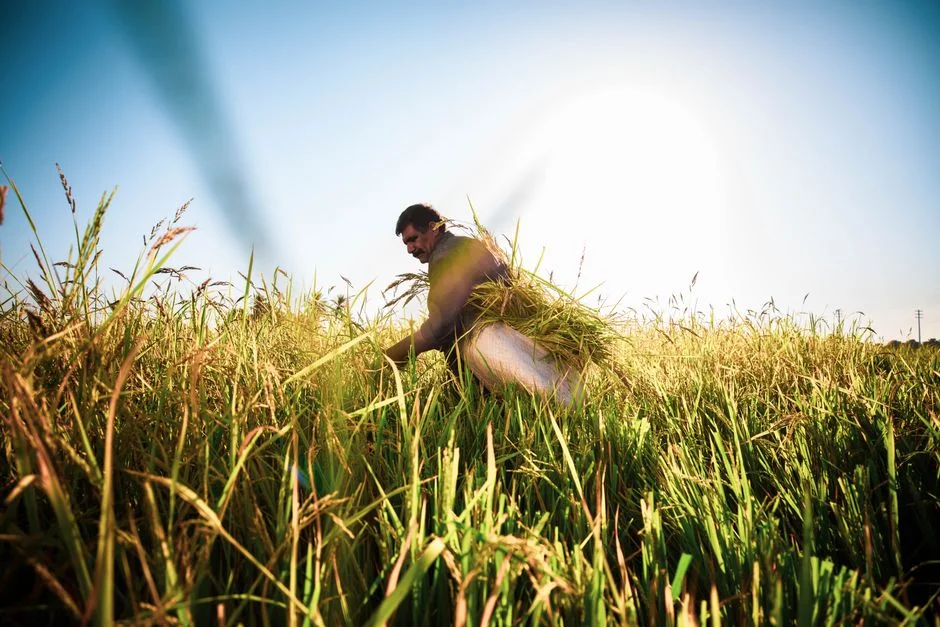
The IMD's forecast is particularly concerning for farmers in states like Punjab and Haryana, where agriculture heavily relies on the monsoon. Last year, the region experienced a 15% decrease in rainfall, leading to significant crop losses. This year’s projected 90% could similarly threaten the livelihoods of local farmers, already facing heightened production costs.

In addition to affecting agriculture, the reduced rainfall may exacerbate existing water shortages in urban areas. Cities such as Delhi and Chandigarh could experience further strain on their water supply systems, impacting both households and businesses. Residents are likely to contend with limited water availability during the hot summer months.
El Niño's Effect on Weather Patterns
The El Niño phenomenon typically leads to warmer weather across North India. The IMD has warned that June will likely see higher-than-average temperatures, with highs reaching 40°C in various regions. This rise in temperature not only affects individual comfort but can also pose health risks, particularly for vulnerable populations.
Public health officials in North India are preparing for an increase in heat-related illnesses. Hospitals in cities like Lucknow are already reporting higher patient volumes due to heat stress and dehydration. Local governments are urged to take proactive measures to protect citizens, especially the elderly and children.
Community Responses and Preparations
Communities across North India are beginning to respond to the IMD's forecast. Many local councils are organising awareness campaigns about heat safety, encouraging residents to stay hydrated and limit outdoor activities during peak hours. Farmers are also seeking advice on drought-resistant crops and alternative irrigation techniques to mitigate potential losses.
Community leaders emphasise the importance of preparedness in the face of climate variability, urging residents to remain vigilant and proactive. In many villages, local farmers are meeting to discuss cooperative strategies for water conservation and crop planning.
Economic Implications for Local Businesses
The economic impact of a decreased monsoon can ripple through local markets as demand for food and water rises. Businesses that rely on agriculture, such as local markets and restaurants, may see price increases for fresh produce. For instance, the price of wheat, a staple in many households, could surge if crop yields drop significantly.
Furthermore, the tourism sector, an essential part of North India's economy, may also be affected. Visitors often flock to hill stations during the summer months, but extreme heat could deter travel to these areas. As a result, local businesses that depend on tourism may suffer a downturn.
Looking Ahead: What to Expect
The IMD's forecast serves as a reminder of the challenges posed by changing climate patterns. With the monsoon season just beginning, residents and businesses in North India should prepare for the potential impacts of reduced rainfall. Local authorities are encouraged to implement measures to ensure water conservation and support farmers in sustaining their livelihoods.
As June progresses, citizens should stay updated on weather advisories and participate in community initiatives aimed at mitigating the effects of heat and water scarcity. The coming weeks will be crucial in determining how North India copes with this adjusted forecast.