The Indian Meteorological Department (IMD) has reduced its monsoon forecast to just 90% of the average rainfall, raising alarms about the potential impact on agricultural activities across North India. This adjustment comes as the El Niño phenomenon strengthens, expected to bring hotter weather in June.
IMD's New Monsoon Projections
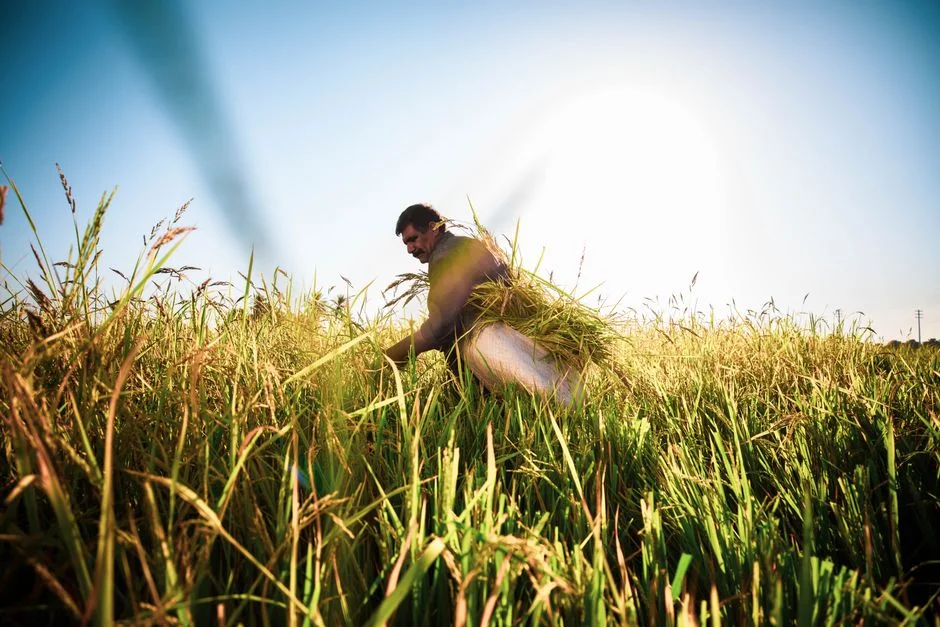
On Monday, the IMD announced its revised monsoon predictions during a press conference in New Delhi, signalling that farmers in states like Punjab and Haryana might face challenges due to below-average rainfall. The IMD initially forecasted a normal monsoon, but the latest figures indicate a significant shift that could affect crop yields for the coming season.

According to the IMD, the upcoming monsoon season is now anticipated to deliver rainfall at 90% of the long-term average. This new projection could place immense pressure on local farmers who rely on adequate rainfall for their kharif crops, including rice and pulses, which are vital for food security.
El Niño's Impact on Weather Patterns
The increasing strength of El Niño is a significant factor in the IMD's revised outlook. This climatic pattern can disrupt weather systems, leading to a drier and hotter June, particularly in Northern states. Historical data shows that during strong El Niño years, India often experiences below-normal rainfall, which raises concerns amongst agronomists regarding crop resilience.
Experts at the IMD warned that farmers in North India should prepare for possible water shortages and take preemptive measures to conserve soil moisture. The situation is made more precarious given that many districts in Punjab and Haryana are already grappling with water scarcity from previous droughts.
Local Economies at Risk
The ramifications of a weak monsoon extend beyond agriculture, impacting local economies reliant on farming. A reduced yield could lead to higher prices for essential commodities, affecting households across North India. In areas where agriculture dominates the economy, such as the Punjab region, farmers' incomes could drop sharply, leading to increased poverty levels.
Punjab Chief Minister Bhagwant Mann has called for immediate government intervention to support farmers. He emphasised the need for increased irrigation facilities and subsidies on crop insurance to mitigate potential losses during this challenging period.
Community Reactions and Preparations
Community responses have begun to emerge, with local agricultural bodies urging farmers to adopt more resilient farming practices. Farmers in regions like Amritsar are already discussing strategies such as drip irrigation and the cultivation of drought-resistant crop varieties to cope with the anticipated conditions.
The mood among farmers is mixed, with some expressing concern over the financial viability of their crops while others remain hopeful that governmental support will alleviate their burdens. Social media discussions highlight a growing awareness of climate change impacts as farmers share insights and suggestions for adapting to the predicted weather conditions.
What Lies Ahead
As June approaches, the IMD will closely monitor weather patterns for further updates, emphasising the need for preparedness. With the prediction of hotter days ahead, farmers and policymakers alike must brace for adjustments in agricultural practices and economic planning.
The upcoming weeks will be critical for North India's agrarian community. Stakeholders are advised to stay informed and consider contingency plans for the potential impact on food production and local economies. The IMD's ongoing assessments will play a vital role in shaping how communities respond to these challenges.
See Also
- Hundreds March in Shivamogga Demanding High Court Bench for Justice
- Noida Woman’s Death in Bhopal Sparks Marital Crisis Debate
Social media discussions highlight a growing awareness of climate change impacts as farmers share insights and suggestions for adapting to the predicted weather conditions.What Lies AheadAs June approaches, the IMD will closely monitor weather patterns for further updates, emphasising the need for preparedness. He emphasised the need for increased irrigation facilities and subsidies on crop insurance to mitigate potential losses during this challenging period.Community Reactions and PreparationsCommunity responses have begun to emerge, with local agricultural bodies urging farmers to adopt more resilient farming practices.
What is the latest news about indian meteorological department cuts monsoon forecast warns of hot june ahead?
Why does this matter for education?
What are the key facts about indian meteorological department cuts monsoon forecast warns of hot june ahead?