India is accelerating a major push to build its own military drone fleet, reducing reliance on imported systems as the country reshapes its defence priorities for modern warfare. The initiative targets both surveillance and strike capabilities, with the government fast-tracking approvals for domestic manufacturers to scale production. Officials say the programme reflects growing concern about depending on foreign suppliers for critical battlefield technology.
Why India Needs Its Own Drones
For years, India's military has relied heavily on Israeli and American drones. The Indian Air Force operates Heron and Searcher drones from Israel Aerospace Industries, while the navy has used American Guardian systems for maritime patrol. These imports cost billions of dollars and often come with restrictions on how the equipment can be deployed. Defence analysts have long argued that India needs a robust domestic drone industry to achieve strategic independence.
"The gap between what we buy abroad and what we can build at home has been dangerous," one former military official told local media. "Combat zones don't wait for spare parts to clear customs."
The Production Push
The government has identified several Indian companies to lead the effort. Adani Defence and Aerospace has emerged as a key player, developing a range of unmanned aerial vehicles from tactical surveillance platforms to loitering munitions. Bharat Forge, a Pune-based industrial conglomerate, has invested heavily in drone manufacturing as part of its defence diversification. The Defence Research and Development Organisation (DRDO) continues to work on next-generation unmanned systems designed specifically for Indian operational requirements.
In Karnataka, a new manufacturing corridor is being planned specifically for drone production, with state officials offering land and expedited clearances to attract investment. Tamil Nadu has seen similar activity, with startups and established firms alike racing to secure contracts.
What the Strategy Targets
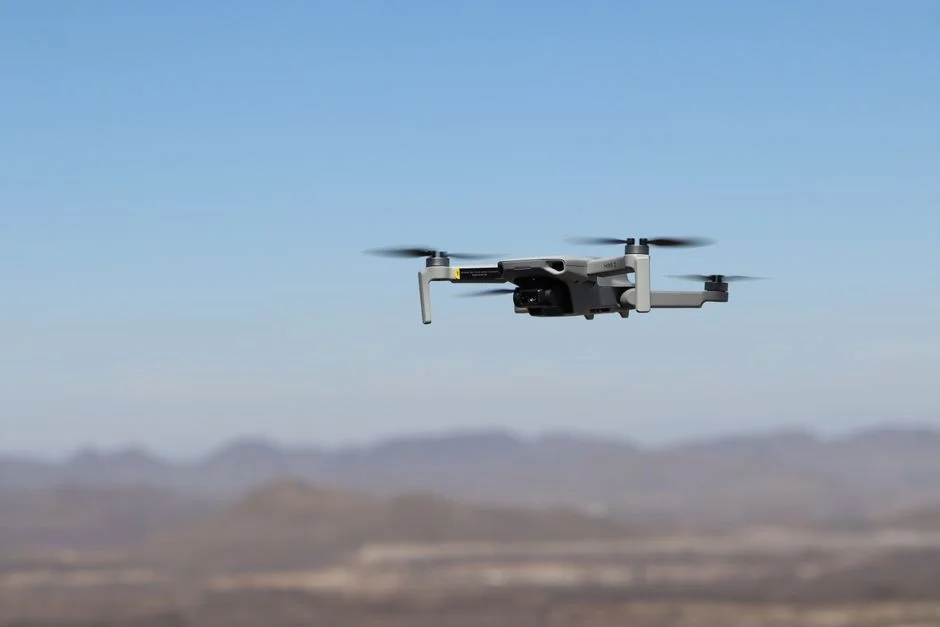
The programme covers three main categories. Short-range surveillance drones are being developed for border monitoring, where Indian troops face daily challenges across the Line of Actual Control with China. Medium-altitude long-endurance systems will provide continuous intelligence over vast operational areas. The most ambitious element involves strike-capable drones capable of delivering precision munitions without risking pilot lives.
The requirement for strike drones reflects lessons from recent conflicts where unmanned systems proved decisive. Ukraine's use of low-cost commercial drones modified for warfare has demonstrated how small, cheap platforms can challenge expensive conventional assets.
Funding and Timeline
While the government has not released an exact figure, industry estimates suggest several billion dollars will flow into domestic drone development over the next five years. The Ministry of Defence has fast-tracked procurement rules to allow faster contracts with Indian firms, bypassing some of the bureaucratic delays that have slowed previous attempts at defence manufacturing. A senior official confirmed that the first domestically produced combat drones could enter service trials within 18 months.
Industry Response
Indian aerospace companies have responded enthusiastically. Startup founders who previously focused on agricultural or delivery drones are now pivoting to defence applications. Engineering graduates from the Indian Institutes of Technology are joining firms developing guidance systems and AI-based target recognition. The sector has attracted investment from venture capital funds that previously ignored defence, betting that government contracts will provide stable revenue.
However, challenges remain. Domestic production of certain critical components, including high-performance engines and advanced sensors, still depends on imported parts. Supply chain bottlenecks could delay timelines if global logistics remain disrupted.
What Comes Next
The Ministry of Defence is expected to announce its first batch of firm orders for domestically built drones before the end of the quarter. Military planners will then begin integrating these systems into existing operational frameworks, a process that requires new training programmes and tactical doctrine development. The success or failure of this initiative will likely shape India's approach to defence manufacturing for decades, testing whether India can indeed build rather than buy its way to military capability.
See Also
- Delhi Airport Halts Flights as Heavy Rain Disrupts Travel Plans for Thousands
- Siddaramaiah Rejects Congress's Rajya Sabha Offer — Prioritises State Leadership
Domestic production of certain critical components, including high-performance engines and advanced sensors, still depends on imported parts. The requirement for strike drones reflects lessons from recent conflicts where unmanned systems proved decisive.