India's Ministry of External Affairs issued a sharp condemnation on Tuesday, demanding the United States Navy immediately cease strikes on vessels carrying Indian crew members. The ministry confirmed that three Indian nationals were killed in recent attacks, marking a significant escalation in a maritime safety crisis unfolding in the Gulf of Oman.
MEA Condemns Continued US Navy Strikes
Foreign ministry spokesman Randhir Jaiswal told reporters in New Delhi that India finds the continued attacks on Indian-crewed vessels completely unacceptable. The ministry has summoned American diplomatic officials to convey its protest formally. Jaiswal stated that New Delhi expects all naval forces operating in the region to distinguish between legitimate military targets and civilian shipping.
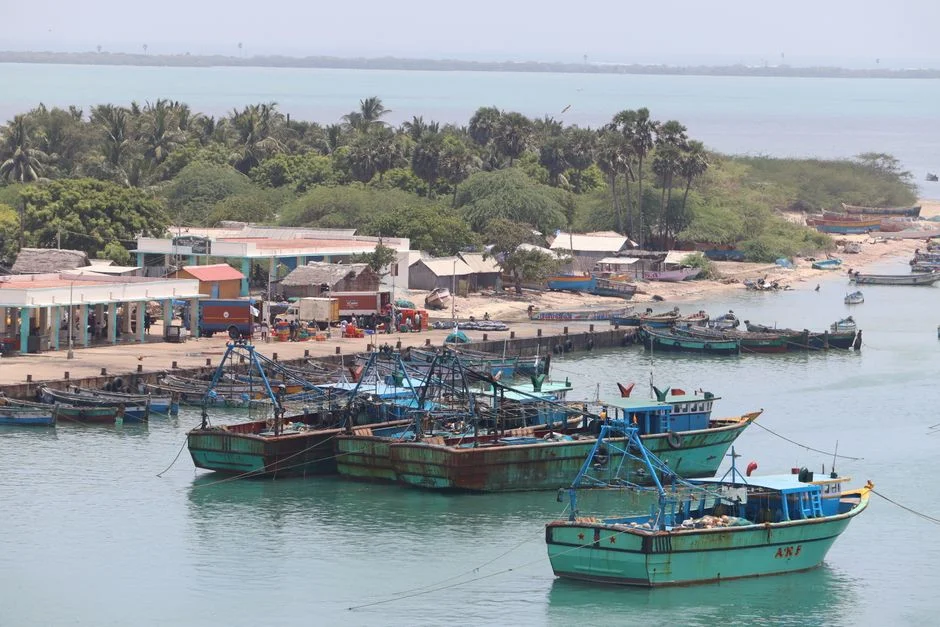
The strikes follow a pattern of incidents in the Gulf of Oman and Arabian Sea, where commercial vessels have come under fire from US naval forces in recent months. Indian sailors aboard the targeted vessel reported hearing explosions before losing contact with the ship's bridge. The vessel was carrying commercial cargo when it was struck, according to preliminary reports from the shipping company.
Three Indian Nationals Killed in Gulf of Oman
Authorities in New Delhi confirmed that three Indian crew members died in the attack on a merchant ship flying a Liberian flag. The vessel, identified as the MV associated with a European shipping firm, was transiting international waters approximately 40 nautical miles off the coast of Oman when US naval forces launched strikes. The dead sailors were identified as residents of Kerala and Tamil Nadu states, according to officials at India's shipping ministry.
Consular officials from the Indian Embassy in Muscat have been working to secure the repatriation of remains. The families of the deceased have been notified, the MEA confirmed. Four other Indian crew members aboard the vessel sustained injuries and were evacuated to a hospital in Oman for treatment.
US Navy Claims vessels Matched Threat Profile
Pentagon officials defended the strikes, stating that the targeted vessels matched radar and visual profiles of Iranian-backed military craft operating in the region. US Central Command issued a statement saying naval commanders followed established rules of engagement when confronting what they described as an imminent threat to commercial shipping lanes. The statement acknowledged that the vessel's crew composition included Indian nationals but maintained that flag registry and crew nationality do not always align with vessel ownership or operational control.
American defence officials argued that Houthi militants and Iranian proxy forces frequently crew commercial vessels to disguise weapons shipments. They pointed to a series of attacks on international shipping that have disrupted global supply chains over the past year. The US Navy has conducted dozens of strikes against maritime threats in the Red Sea and Gulf of Oman since late 2023.
Impact on Indian Seafarer Communities
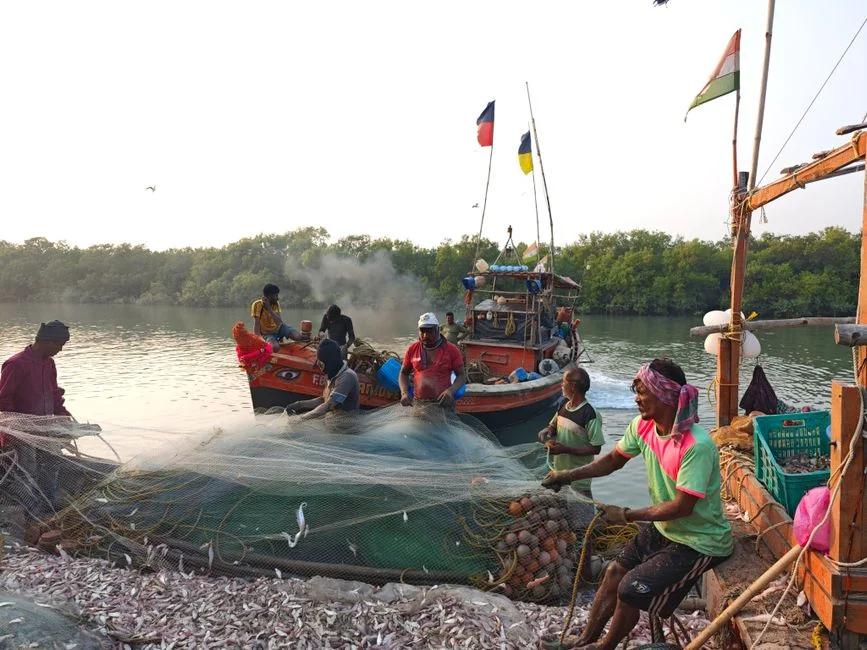
The Indian maritime sector employs approximately 250,000 sailors on international vessels, making the country one of the world's largest sources of seafarers. Families in coastal villages across Kerala, Goa, and Maharashtra have expressed alarm following the deaths. Local fishermen's associations called for the government to issue stronger safety advisories for vessels operating in high-risk zones.
The Shipping Corporation of India announced it was reviewing routing protocols for all vessels carrying Indian crew members. Industry groups told local media that insurance premiums for ships transiting the Gulf of Oman have risen sharply in recent months. Several major shipping lines have begun rerouting vessels around the Cape of Good Hope, adding significant time and fuel costs to journeys between Asia and Europe.
Diplomatic Fallout and Regional Tensions
India's national security adviser held a phone call with his American counterpart to convey New Delhi's concerns directly. The conversation marked the highest-level exchange between the two countries on the maritime incident. Indian officials are pushing for joint verification protocols that would help naval forces identify civilian vessels more accurately during operations.
The incident threatens to strain the strategic partnership between India and the United States, which has deepened considerably over the past decade. Washington views India as a key regional partner in its Indo-Pacific strategy, while New Delhi relies on American military hardware and intelligence sharing. Analysts say both sides have strong incentives to resolve the dispute quietly, though public sentiment in India is running against the strikes.
What Happens Next
Indian foreign minister Subrahmanyam Jaishankar is expected to raise the issue directly with US Secretary of State Antony Blinken during an upcoming diplomatic summit in Brussels. The government has indicated it will propose a formal mechanism for flagging Indian-crewed vessels to all naval forces operating in the region. Meanwhile, the families of the three killed sailors await repatriation, with the MEA pledging full consular support throughout the process. Shipping industry officials say they are watching closely to see whether New Delhi pursues any formal complaint through the International Maritime Organization.
See Also
- New Cancer Drug Shocks Doctors as Brain Tumour Vanishes in 5 Days
- BJP Reshuffles Leadership as Modi Holds Crucial Election Strategy Meeting
Several major shipping lines have begun rerouting vessels around the Cape of Good Hope, adding significant time and fuel costs to journeys between Asia and Europe.Diplomatic Fallout and Regional TensionsIndia's national security adviser held a phone call with his American counterpart to convey New Delhi's concerns directly. The US Navy has conducted dozens of strikes against maritime threats in the Red Sea and Gulf of Oman since late 2023.Impact on Indian Seafarer CommunitiesThe Indian maritime sector employs approximately 250,000 sailors on international vessels, making the country one of the world's largest sources of seafarers.