Trump has sent his congratulations to Prime Minister Narendra Modi, calling the Indian leader a "strong, healthy, wise man" in a statement that underscores the warmth between Washington and New Delhi at a pivotal moment in their partnership.
The message arrived as Modi secured an unprecedented third consecutive term in office, a milestone that places him among India's most durable political figures. Trump personally lauded Modi's endurance, framing the achievement in terms that resonate with both nations.
Personal Praise from the White House
Trump did not hold back in his assessment of the Indian Prime Minister. The American president described Modi as a "strong, healthy, wise man" in his congratulatory remarks, language that goes beyond standard diplomatic courtesy. The phrasing echoes historical comparisons, though administration officials have not elaborated on whether the Churchill reference was intentional.
This is not the first time Trump has spoken warmly of Modi. During his first term, Trump hosted the Indian Prime Minister at the White House and called him a "friend." The two leaders have met on multiple occasions, building a rapport that officials say has shaped their countries' strategic relationship.
Milestone in Indian Politics
Modi first took office in 2014, making him India's longest-serving Prime Minister since Jawaharlal Nehru. His Bharatiya Janata Party secured a third straight victory in this year's general election, though the margin required coalition support for the first time. The result confirmed Modi's continued dominance over Indian politics even as opposition parties gained ground in several regions.
The Prime Minister's critics have raised concerns about economic inequality and what they describe as democratic backsliding during his tenure. Supporters counter that Modi's government delivered infrastructure growth, digital financial inclusion for hundreds of millions of citizens, and an expanded global role for India.
Strategic Context of the Congratulations
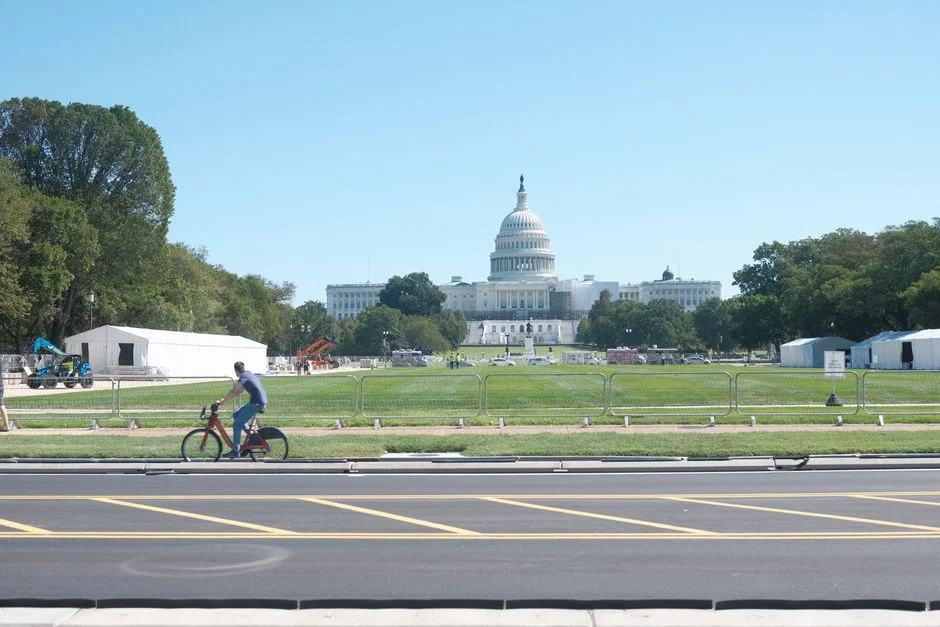
The timing of Trump's message matters. Modi is preparing for a state visit to Washington, an event that will receive significant attention in both capitals. The two leaders are expected to discuss trade disputes, defense cooperation, and regional security challenges in the Indo-Pacific.
Indo-US relations have deepened considerably since the early 2000s, with defense ties leading the expansion. India has purchased American military hardware including fighter jets and surveillance drones. The two countries also coordinate through the Quad, a security dialogue that includes Australia and Japan.
What the Praise Signals
For Indian observers, Trump's endorsement carries domestic political weight. Modi's opponents have long criticized what they view as his close alignment with Western leaders. The Prime Minister's supporters, however, see validation in the recognition.
The White House has its own interests in maintaining a strong relationship with India. Washington views New Delhi as a counterweight to Chinese influence in the region. A stable, internationally respected Indian leader serves American strategic goals in Asia.
Economic Ties Under the Spotlight
Bilateral trade between the United States and India stands at roughly $128 billion annually, making India one of America's largest trading partners. However, disputes over tariffs and market access have created friction. American technology companies have pushed for clearer rules on data localization and investments in sensitive sectors.
The state visit will give both governments a chance to address these commercial differences. Trade officials from both sides have been meeting in recent weeks to prepare ground for agreements that could open Indian markets further to American goods and services.
Regional Security Dimensions
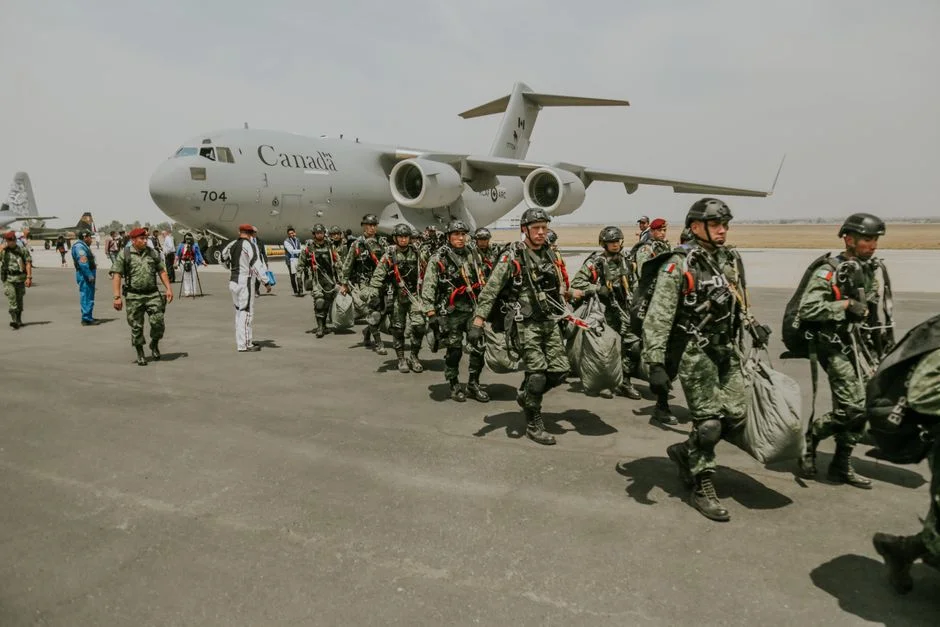
Beyond trade, defense cooperation dominates the strategic conversation. India and the United States have signed foundational agreements that allow greater intelligence sharing and joint military exercises. American officials have praised India's willingness to participate in multilateral security arrangements.
The Indo-Pacific region has become a central focus for both governments. They share concerns about freedom of navigation in contested waters and the stability of supply chains for critical technologies. Modi has worked to position India as a leading voice for developing nations while deepening ties with Western powers.
Looking Ahead to the State Visit
The state visit will be the main event shaping Indo-US relations in the coming months. Modi is expected to arrive in Washington within weeks, according to officials familiar with the planning. The trip will include formal meetings, a state dinner, and opportunities for business leaders from both countries to connect.
Trump's congratulatory message sets a positive tone for the visit. Both governments have invested in this relationship, and neither wants to see it derailed by trade disputes or misunderstandings. The personal rapport between the two leaders provides a foundation for navigating disagreements.
Indian citizens will be watching closely for outcomes that affect their daily lives. Any progress on visa policies, technology partnerships, or consumer goods tariffs would have direct impact on households across the country. The state visit offers a chance to translate diplomatic warmth into tangible benefits for ordinary people on both sides.
See Also
- Hayatu Deen Picks Presidential Form — Nigeria’s Political Clock Starts Ticking
- Karnataka Congress Leaders Plan Structural Overhaul After Shivakumar's Rise
What is the latest news about trump congratulates modi calls him strong healthy wise man?
Why does this matter for local-news?
What are the key facts about trump congratulates modi calls him strong healthy wise man?