Maharashtra Minister has issued a stark warning regarding the current drought situation, describing it as potentially reaching a 100% severity level across the state. This assessment comes as September unfolds, marking a critical period for agricultural and water resources in one of India’s most populous regions. The declaration signals immediate administrative attention to district-level water scarcity and its downstream effects on public services.
Immediate Drought Assessment And Administrative Response
The Minister’s statement places Maharashtra among the worst-hit states in India for September, highlighting the urgent need for coordinated local action. District administrations are now tasked with monitoring water reserves in real-time, as the 100% drought designation implies widespread impact rather than isolated pockets of dryness. This level of severity typically triggers specific protocols for rationing and emergency supply chains.
Transport and logistics networks in affected districts may face disruptions as water levels in rivers and reservoirs drop below operational thresholds. Municipal bodies are likely to prioritize water supply for drinking and sanitation over industrial or recreational use. Schools in rural and semi-urban areas might adjust schedules or close temporarily if water tankers fail to meet daily demand, affecting student attendance and learning continuity.
Public safety measures are being reviewed to prevent heat-related illnesses and water-borne diseases, which often spike during severe droughts. Retail prices for essential commodities like milk, vegetables, and grains are expected to rise as supply chains tighten. The state government is likely to intervene with price controls or subsidies to protect low-income households from sudden inflationary pressure.
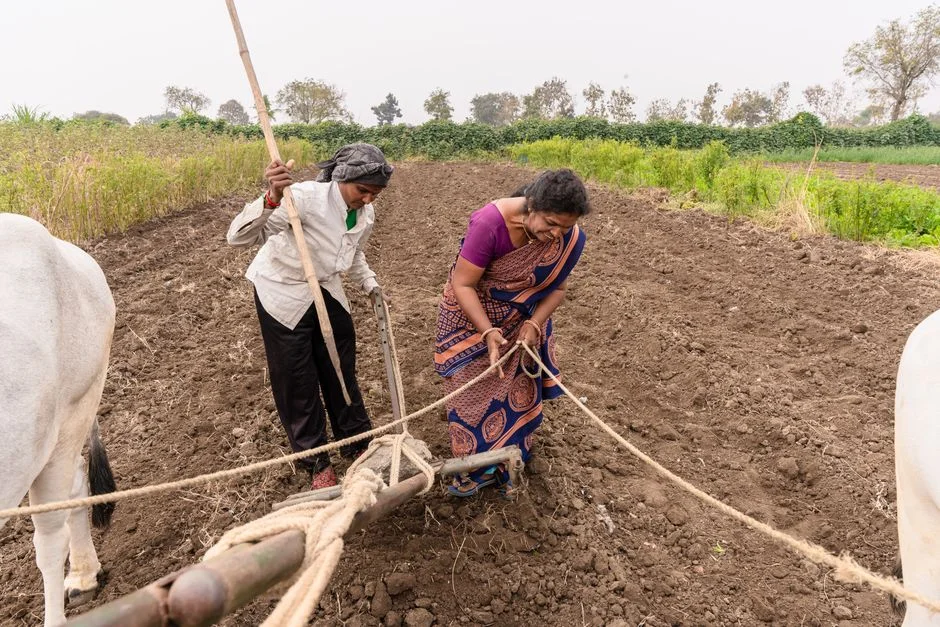
Employment in agriculture-dependent districts could see a sharp decline as crop yields fall short of expectations. Daily wage laborers in rural areas may face reduced workdays, leading to a temporary drop in local spending power. This economic contraction will ripple through local retail and service sectors, forcing small businesses to adjust inventory and staffing levels.
Why The September Drought Warning Matters For Maharashtra
The timing of this warning in September is critical because it coincides with the end of the monsoon season and the beginning of the rabi crop cycle. If the drought persists, the impact on winter crops like wheat and chickpeas will be immediate and severe. Farmers across districts are already reporting lower soil moisture levels, which affects seed germination and early growth stages.
Water scarcity also affects industrial output, particularly in sectors like textiles and beverages that rely heavily on consistent water supply. Factories in districts with declared drought status may face production halts or reduced shifts. This could lead to short-term job losses or reduced overtime pay for factory workers, affecting household incomes across the state.
The 100% drought designation is not just an agricultural metric; it reflects a systemic strain on urban and rural water infrastructure. Municipal corporations are already reporting lower groundwater levels in wells and borewells. This forces cities to rely more on distant reservoirs, increasing transportation costs and energy consumption for water pumping and distribution.
Health services in affected districts are preparing for a surge in cases of dehydration and heatstroke, especially among the elderly and children. Hospitals are being instructed to stockpile oral rehydration salts and ensure adequate water supply in wards. The strain on healthcare resources could affect the quality of care for other non-drought-related conditions.
Local governance structures are being activated to coordinate relief efforts. District collectors are likely to hold regular reviews with block development officers and panchayat leaders. This ensures that aid reaches the most vulnerable populations quickly and efficiently. The focus will be on preventing a humanitarian crisis while maintaining economic stability.
As September progresses, the state government will monitor rainfall patterns and reservoir levels closely. Any deviation from the expected trend could lead to further tightening of water supplies. Residents should prepare for potential rationing and price increases in essential goods.
The next key indicator will be the October rainfall data, which will determine the severity of the winter drought. If rains remain deficient, the 100% drought status could become permanent for the season. This will require long-term adjustments in water management and agricultural practices across Maharashtra.
See Also
- Suvendu Exposes 30 Lakh Ineligible Beneficiaries in TMC’s Annapurna Bhandar Scheme
- BRICS Leaders Push Currency Union — Markets React
The next key indicator will be the October rainfall data, which will determine the severity of the winter drought. The 100% drought designation is not just an agricultural metric; it reflects a systemic strain on urban and rural water infrastructure.