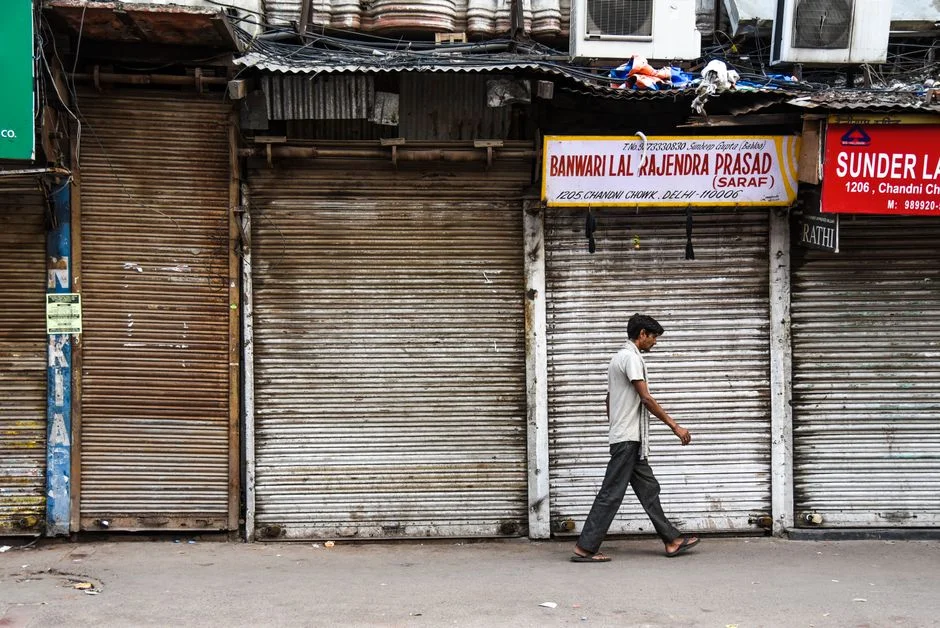
The annual monsoon season has officially arrived over parts of South Asia, bringing the vital rainfall that millions of farmers, city planners, and households depend on each year. The India Meteorological Department confirmed the onset of the southwest monsoon over Kerala and parts of the southern coast, marking the start of a weather pattern that shapes life across a region home to nearly two billion people.
Monsoon Reaches the Indian Subcontinent
The southwest monsoon typically arrives on India's southern tip around June 1st, then advances northward over the following weeks. This year, the India Meteorological Department reported that conditions became favourable for monsoon advance over Kerala by early June. The Bay of Bengal branch of the monsoon had already begun affecting parts of Bangladesh and northeastern India.
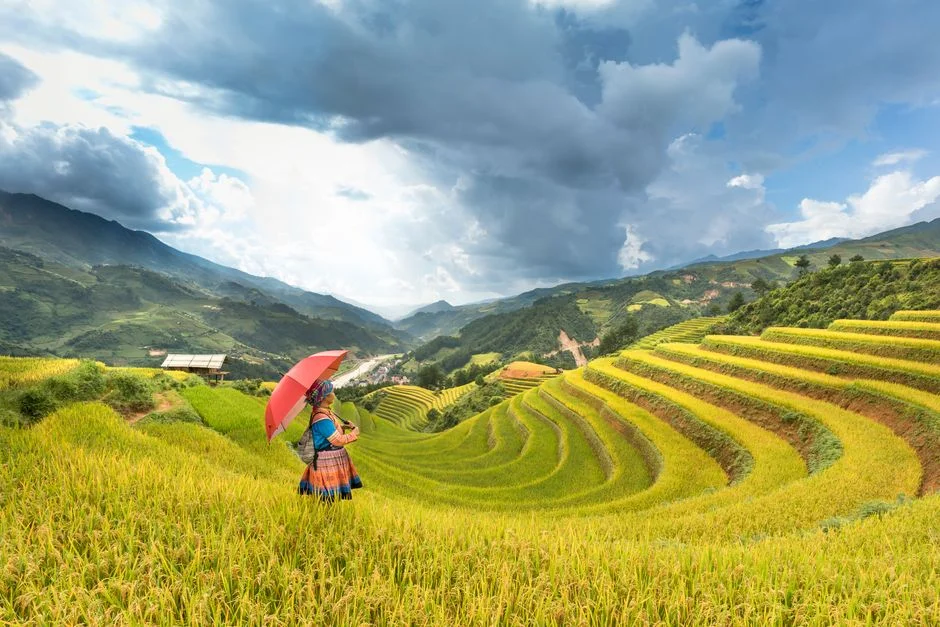
The Indian Ocean plays a central role in this annual weather system. Warm sea surface temperatures in the Indian Ocean provide the energy that drives moisture-laden clouds toward the subcontinent. Scientists have observed that changes in Indian Ocean temperatures can affect monsoon timing and intensity.
What the Rains Mean for Agriculture
Agriculture across South Asia depends heavily on monsoon rainfall. In India alone, the farming sector relies on these seasonal rains for about 60 percent of its water needs. Rice, cotton, sugarcane, and pulses all require adequate moisture during the planting and growing season.
Farmers in states like Maharashtra, Karnataka, and Andhra Pradesh had been dealing with dry conditions in late May. The arrival of the monsoon has brought relief to those preparing fields for the kharif cropping season. The Ministry of Agriculture has advised farmers to wait for adequate soil moisture before sowing certain crops.
The timing matters enormously. Plant rice too early and young seedlings may struggle in insufficient rain. Plant too late and the crop may not mature before the monsoon withdraws in September. Agricultural extension services across the region work to provide localised advisories to help farmers make these decisions.
Urban Areas Prepare for Flooding
City authorities in India, Bangladesh, and Nepal have spent the past several weeks preparing drainage systems and clearing waterways ahead of the rainy season. Last year's monsoon caused significant flooding in several cities, overwhelming infrastructure designed for lighter rainfall.
Mumbai, Kolkata, and Dhaka regularly experience urban flooding during heavy monsoon spells. Municipal corporations have been conducting desilting operations and checking pumping station capacity. The National Disaster Response Force has positioned teams in vulnerable districts across twelve states.
The problem extends beyond inconvenience. Floodwaters can contaminate drinking water supplies, damage property, and disrupt essential services. Health officials in affected areas typically see spikes in waterborne diseases such as cholera and typhoid during prolonged flooding.
Regional Variations in Rainfall Patterns
The monsoon does not arrive everywhere at once or deliver rainfall evenly. The northeast typically receives the heaviest precipitation, while parts of northwest India often remain relatively dry until July. Sri Lanka experiences its own monsoon seasons influenced by winds from different directions.
Bangladesh, a low-lying country of 170 million people, depends on monsoon rainfall to replenish rivers and groundwater while supporting its rice-dependent agriculture. Cyclones forming in the Bay of Bengal occasionally disrupt the normal progression of the monsoon, bringing destructive winds and storm surges to coastal areas.
Nepal and Bhutan receive monsoon moisture as winds are forced upward over the Himalayan foothills, creating orographic rainfall. These countries also face risks of landslides in mountainous terrain when heavy rain falls on steep slopes weakened by construction or deforestation.
Climate Trends and Long-term Patterns
Researchers tracking climate data have noted changes in monsoon behaviour over recent decades. The season appears to be becoming more unpredictable, with rainfall patterns growing more erratic even as total precipitation in some regions increases. Extreme rainfall events, where large amounts of rain fall in short periods, have become more frequent.
The Indian Institute of Tropical Meteorology has conducted extensive research on these trends. Studies suggest that a warming atmosphere can hold more moisture, potentially increasing the intensity of rainfall events even as overall seasonal totals vary. This creates challenges for water resource management, as reservoirs designed for gradual accumulation must now handle more sudden surges.
For communities across the region, adapting to these shifts requires better forecasting, improved infrastructure, and more resilient agricultural practices. The monsoon remains as essential as ever for drinking water, hydroelectric power generation, and agricultural output, but the stakes of getting water management wrong are rising.
Looking Ahead
The monsoon typically lasts until September, gradually withdrawing from the northwest before exiting through the southern tip of India. The India Meteorological Department will release its full-season forecast in the coming weeks, updating its earlier predictions based on evolving ocean and atmospheric conditions.
What citizens should watch for in the next several weeks is whether rainfall amounts stay close to historical averages or whether regional deficits or surpluses emerge. That will determine whether this monsoon season brings the relief that farms and reservoirs need, or whether drought conditions develop in areas that have received insufficient rain.
See Also
- Indian Railway Staff Body Demands Higher Fitment Factors Amid Salary Concerns
- Akon Claims Men Aren't Wired for Monogamy — Sparks Debate in Senegal
Climate Trends and Long-term Patterns Researchers tracking climate data have noted changes in monsoon behaviour over recent decades. The Indian Institute of Tropical Meteorology has conducted extensive research on these trends.