From the coastal forts of Maharashtra to government buildings in New Delhi, the image of Chhatrapati Shivaji Maharaj now appears almost everywhere. The 17th-century Maratha warrior king, who died in 1680, has become the defining symbol of India's Hindu Right movement — a transformation that is reshaping politics, identity, and daily life across the country.
The Making of a New Hero
Shivaji ruled the Maratha empire from 1674 until his death, establishing a kingdom that would eventually challenge Mughal power across the Deccan plateau. For centuries, he remained a regional hero, celebrated primarily in Maharashtra. That began changing around 2014, when Prime Minister Narendra Modi first took office. Since then, the Bharatiya Janata Party and its parent organisation, the Rashtriya Swayamsevak Sangh, have systematically elevated Shivaji into a national icon.
The shift was deliberate. Unlike some Hindu mythology that traces back thousands of years, Shivaji is a historical figure whose exploits are well-documented. His resistance against Islamic Mughal rule offers a narrative that feels immediate and usable. Party strategists recognised this potential early on.
Statues Rise Across the Country
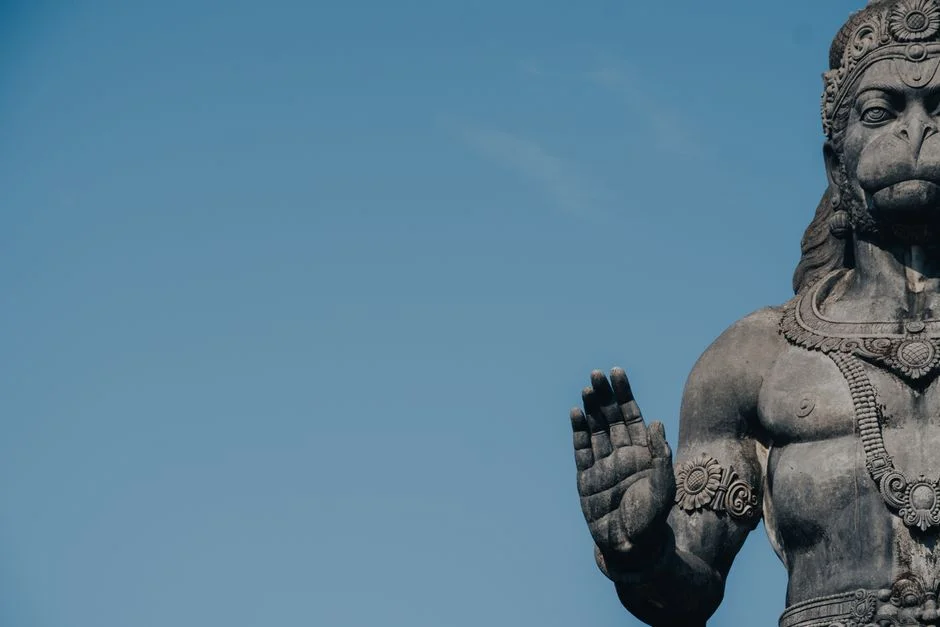
The most visible manifestation of this campaign is the explosion of Shivaji statues. A massive 192-foot statue called the 'Statue of Unity' — though technically dedicated to Sardar Vallabhbhai Patel — already dominates the Narmada river. Shivaji's own monuments are spreading just as rapidly. In Mumbai alone, three major new statues have appeared in the past five years. Smaller installations now stand in towns across Gujarat, Karnataka, and Uttar Pradesh.
Local authorities in Pune announced plans last year for a Rs 1,000-crore Shivaji memorial complex on the foothills of the Western Ghats. The project will include a museum, cultural centre, and a viewing platform that officials expect will draw 5,000 visitors daily. Construction began in January and is scheduled for completion by 2026.
What Shivaji Represents Now
The warrior king's revival serves multiple purposes for the Hindu Right. At its simplest, he provides a Hindu counterpoint to Mughal history — a ruler who fought and defeated Muslim armies, establishing sovereignty for a Hindu kingdom. This narrative resonates particularly in states like Maharashtra, where the Maratha legacy already runs deep.
Critics argue the appropriation strips Shivaji of his historical complexity. The king was a sophisticated administrator who maintained diplomatic ties with both Mughal rivals and Portuguese colonial powers. He taxed his subjects lightly and promoted talented individuals regardless of caste. None of these nuanced details appear in the current political messaging.
Schools and Curriculum Changes
Textbook revisions have placed Shivaji earlier in Indian history chapters. Maharashtra's state education board now requires students to study his administrative reforms. Similar changes are under consideration in Karnataka, where Shivaji's armies clashed with the Kingdom of Mysore. Parents in Pune report that children as young as eight now know Shivaji's battle strategies better than those of any other historical figure.
Community Responses Divide
Reactions in Maharashtra reveal deep fault lines. Many Maratha families welcome the renewed attention to their heritage. In villages around Satara, where Shivaji established his original capital, community leaders organised celebrations when the latest statue was unveiled. Local businesses near the memorial sites report a surge in tourism.
But opposition has grown equally vocal. Muslim community leaders in Mumbai have expressed concern that Shivaji's elevation comes paired with an increasingly hostile political environment. Several mosques in the city have been caught in legal disputes over land titles, with some observers linking these cases to the broader atmosphere surrounding Hindu revivalism.
Secular activists point out that Shivaji's actual religious policy was far more pragmatic than the current narrative suggests. He employed Muslim soldiers, appointed them to high positions, and respected Islamic institutions within his territory. None of this complexity reaches the schoolchildren now studying his legacy.
The Political Calculation
For the BJP, Shivaji offers something rare: a symbol that works across multiple states. Unlike regional leaders who appeal primarily to local constituencies, the Maratha king crosses linguistic and cultural boundaries. His story connects Maharashtra, Karnataka, Gujarat, and parts of central India without requiring the complicated coalition-building that typically consumes Indian political parties.
The party's election results support this strategy. In Maharashtra's 2019 state elections, the BJP highlighted Shivaji's legacy extensively. The party won 105 seats in the 288-member assembly, forming a coalition government that lasted until 2024. Similar messaging appeared in subsequent state elections, with mixed but generally positive results.
Economic Consequences Spread
The statue economy has created unexpected winners. Stone carvers in Ratnagiri district, where Shivaji maintained naval bases, report full order books for the first time in years. Hotels near memorial sites have expanded capacity. Bus operators running routes to new tourist destinations have added evening services.
Yet some economists urge caution. The Memorial Trust Authority, which manages the Pune complex, estimates the project will generate 2,000 direct jobs. Critics note this figure doesn't account for maintenance costs or the opportunity cost of government funding directed toward commemoration rather than infrastructure. Similar concerns arose around the Statue of Unity, which draws fewer visitors than projected while consuming billions in public funds.
Looking Ahead
What comes next will become clearer in the coming months. The Pune memorial complex is scheduled for its first phase opening in October 2026, coinciding with Maharashtra's state assembly elections. Political observers expect the BJP to make Shivaji central to its campaign pitch. A second memorial complex in Kolhapur district has already received preliminary approval from the state cabinet.
Citizens in affected communities should watch how textbook revisions play out at the national level. The National Council of Educational Research and Training has been conducting reviews of secondary school history materials. Any federal curriculum changes would reach millions of students across all states, not just those with Maratha heritage. That broader rollout, if it happens, will mark the final stage of Shivaji's transformation from regional hero to national symbol.
See Also
- Karnataka's New CM Siddaramaiah Faces Key Challenges Amid Expectations
- APC Governors Plan Defeat Strategy — What This Means for Nigerian Citizens
Muslim community leaders in Mumbai have expressed concern that Shivaji's elevation comes paired with an increasingly hostile political environment. Several mosques in the city have been caught in legal disputes over land titles, with some observers linking these cases to the broader atmosphere surrounding Hindu revivalism.Secular activists point out that Shivaji's actual religious policy was far more pragmatic than the current narrative suggests.