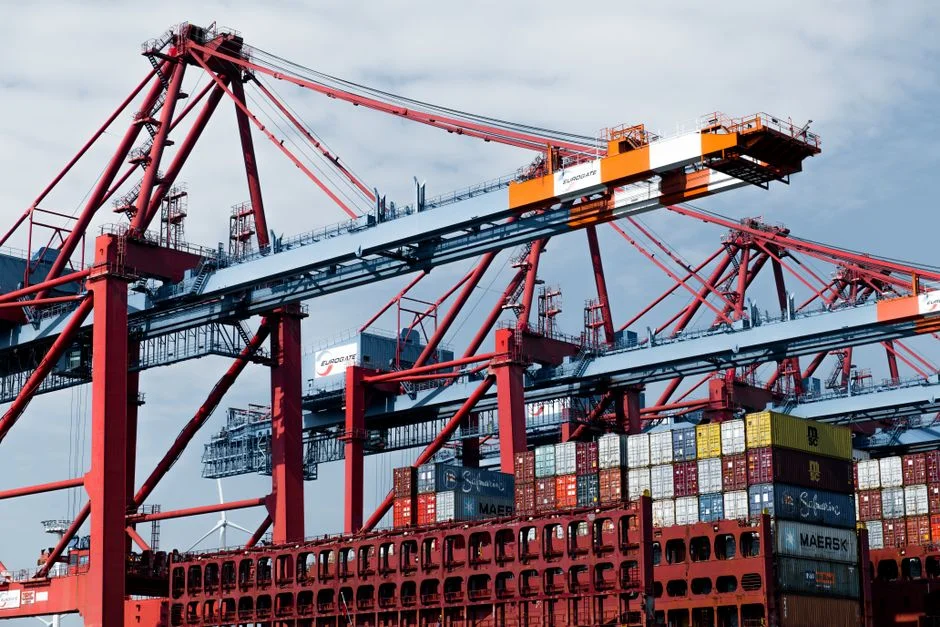
The United States has placed India in its Section 301 findings and proposed sweeping new tariffs, a move that threatens to derail months of bilateral trade negotiations. The announcement, made by the Office of the United States Trade Representative, came as talks between the two countries were showing signs of progress toward a broader economic agreement.
In New Delhi, the commerce ministry confirmed it had received formal notification of the findings. A ministry spokesperson told reporters the government was studying the details and would respond through proper diplomatic channels. The proposed duties target multiple sectors where Indian exports have faced scrutiny, potentially affecting goods worth billions of dollars.
What the Section 301 Findings Say
Section 301 of the Trade Act of 1974 gives the US president authority to impose tariffs on countries that maintain unfair trade practices. The latest findings against India cite persistent concerns over market access restrictions, digital service taxes, and what American officials describe as discriminatory treatment of US companies operating in India.
USTR officials outlined specific sectors where duties could be imposed, including information technology services, pharmaceutical products, and selected manufactured goods. The investigation has been underway for several months, with American industry groups providing input throughout the process.
Trade volume at stake
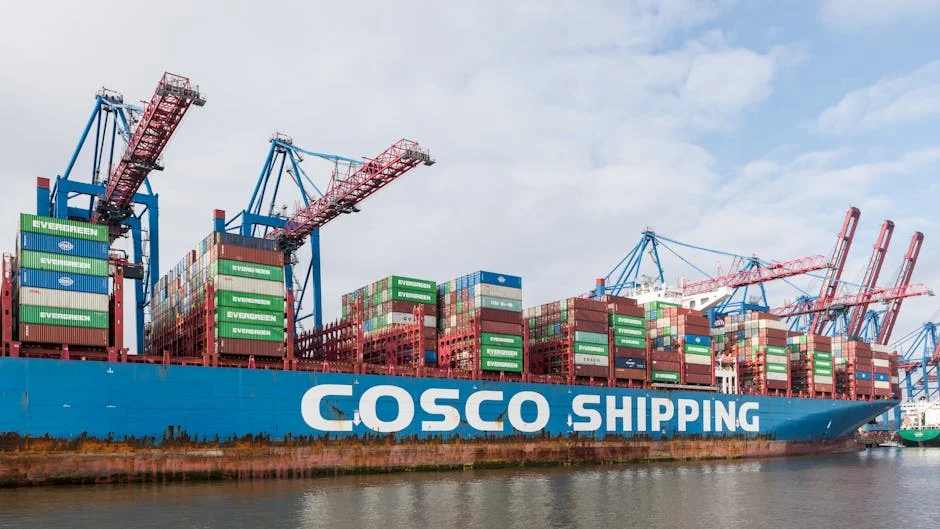
Bilateral trade between the two countries exceeded $128 billion in the most recent fiscal year, according to US customs data. Indian exports to America include software services, generic medicines, textiles, and gems and jewellery. Any broad tariff implementation would directly impact thousands of businesses across Tamil Nadu, Gujarat, and Maharashtra that depend on American customers.
Impact on Indian Exporters
Industry associations in India reacted with alarm to the news. The Software Exporters Association warned that any duties on technology services could disrupt established supply chains that have taken decades to build. Smaller tech firms, many of them based in Bengaluru and Hyderabad, rely heavily on American contracts for revenue.
Pharmaceutical companies, which supply nearly 40 percent of generic drugs consumed in America, face particular vulnerability. The Indian Pharmaceutical Alliance stated its members were monitoring the situation closely and preparing contingency plans. Any tariff escalation could force companies to absorb costs or pass them onto healthcare systems already struggling with budget constraints.
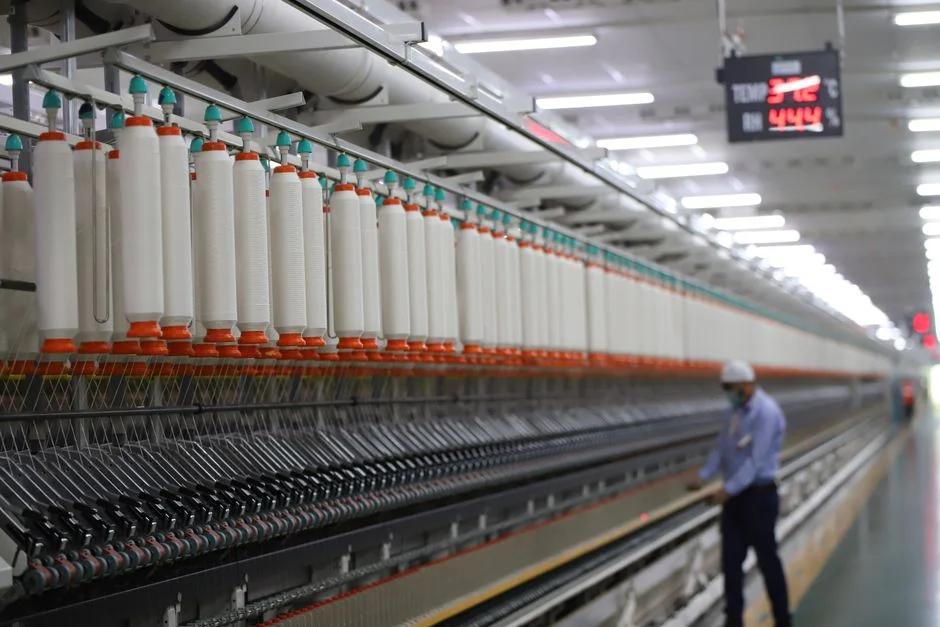
Textile exporters, who employ millions of workers in states like Punjab, Andhra Pradesh, and West Bengal, said the proposed duties could reverse recent gains in market share. A textile chamber representative noted that competitors in Bangladesh and Vietnam would gain advantage if Indian goods become more expensive in American markets.
Consumer and Economic Fallout
For Indian households, the implications extend beyond export industries. A prolonged trade dispute typically drives up costs for imported goods, affecting everything from electronics to medical equipment. Economists at local research firms warned that currency volatility could amplify price pressures if negotiations stall.
The rupee has already weakened against the dollar in recent weeks, making imported inputs more costly for domestic manufacturers. Businesses that rely on American components or technology may face difficult decisions about pricing and sourcing. Consumer goods companies could pass higher costs onto shoppers already dealing with elevated inflation in essential categories.
Government Response and Next Steps
Indian trade officials indicated they would seek consultations as allowed under World Trade Organization rules. The commerce ministry statement emphasized India's commitment to fair trade and expressed confidence that outstanding concerns could be resolved through dialogue rather than confrontation.
Washington has signaled a 30-day comment period before any final determination on tariffs. During this window, affected industries in both countries will submit their positions, and bilateral talks may intensify. American business groups with operations in India have already begun lobbying against broad duties that could harm their own interests.
Analysts tracking the negotiations say the outcome will likely depend on whether both sides can find compromises on the core issues. Previous trade disputes between the two countries have resolved through intensive engagement, though the current political environment in Washington makes early concessions difficult.
What Comes Next
Trade officials are watching for signals from upcoming bilateral meetings scheduled over the coming weeks. The comment period closes mid-month, after which USTR will review submissions before making recommendations to the White House.
Indian exporters are advising their American customers to prepare for potential supply chain adjustments. Some companies are exploring alternative markets in Europe and Southeast Asia, though those regions present their own competitive challenges. The next few weeks will determine whether the two governments can craft a deal that avoids tariffs, or whether duties take effect and reshape trade flows that have defined the relationship for decades.
See Also
- African Musicians Slam AI Copycats — and Fans Are Paying the Price
- Rupi Kaur Reveals the Power of Solitude: "Desperate Need of Yourself" Explained
What is the latest news about us proposes new tariffs on india trade talks now under threat?
Why does this matter for business-economy?
What are the key facts about us proposes new tariffs on india trade talks now under threat?