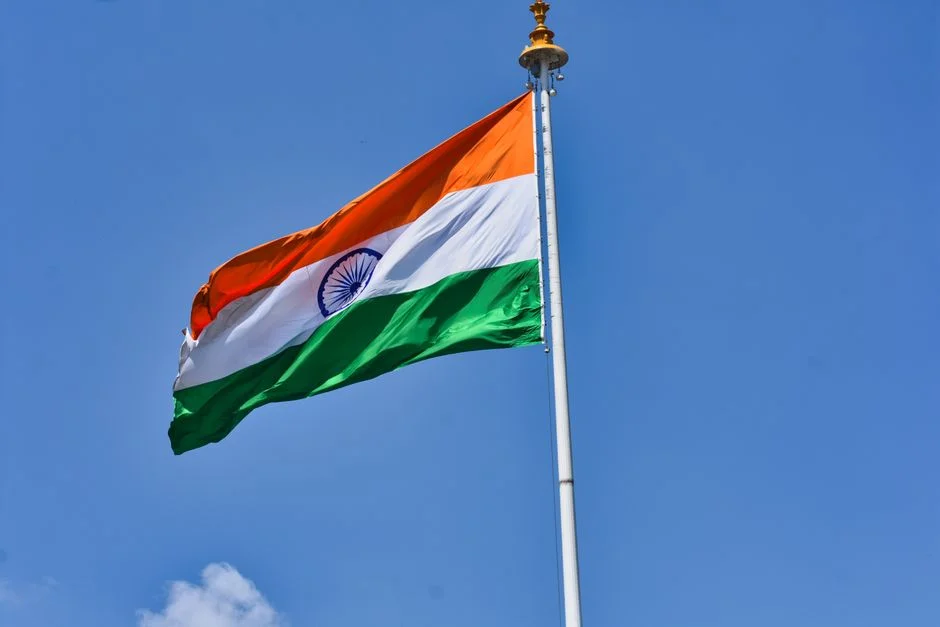
India summoned the EU ambassador and issued a sharp diplomatic protest on Tuesday after a joint statement by Pakistan and the European Union referenced Jammu and Kashmir in terms India considers a violation of its sovereign position. The Ministry of External Affairs called the references "categorically rejected" and warned of consequences for bilateral relations.
India Summons EU Ambassador Over Statement
The Ministry of External Affairs in New Delhi confirmed that India's foreign secretary called in the EU representative on Tuesday to deliver a formal demarche. Officials said the government found the references in the Pakistan-EU joint statement "completely unacceptable" and an interference in its internal affairs. The summons came within 24 hours of the joint statement being released in Brussels.
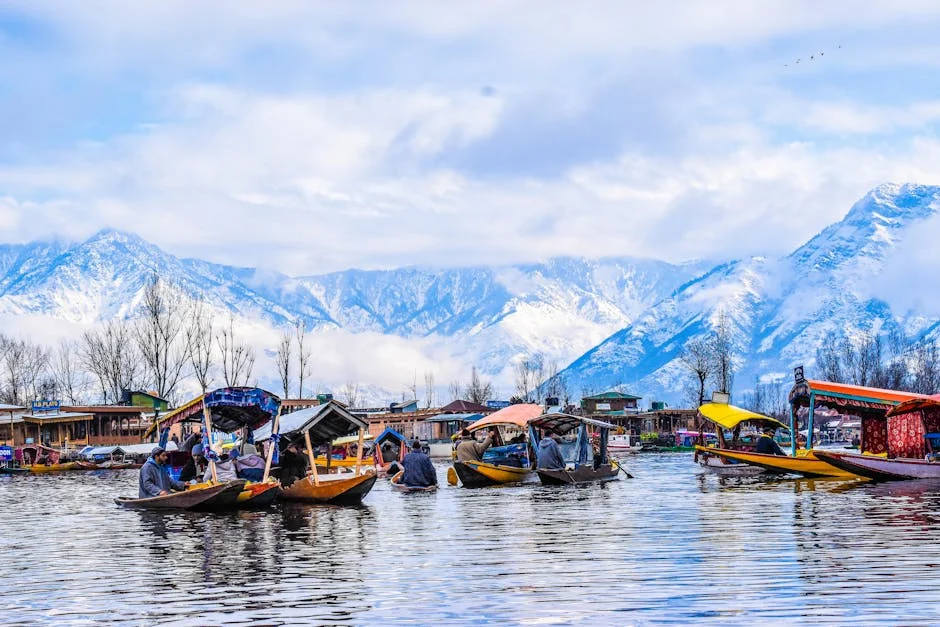
A spokesperson stated that India had conveyed its "strong objections" through official diplomatic channels. The statement referenced "the situation in Jammu and Kashmir" in a section discussing regional stability, prompting immediate backlash from New Delhi.
What the Pakistan-EU Statement Said
The joint statement, published by Pakistan's Foreign Ministry on Monday, included language calling for "a just and peaceful resolution" of the Kashmir dispute. EU officials were not immediately available for comment on why such language was included in the formal document.
India's response was swift. "We categorically reject any references to Jammu and Kashmir that imply a disputed status," the Ministry stated. The statement drew parallels to previous incidents where external parties attempted to address the region in multilateral forums.
Historical Context of Kashmir Dispute
Jammu and Kashmir has been a point of contention between India and Pakistan since partition in 1947. Both countries claim the region in full but govern separate portions. India has long maintained that bilateral agreements, including the 2003 ceasefire understanding, form the basis for any resolution process.
New Delhi has consistently opposed third-party involvement in Kashmir-related discussions, citing the Shimla Agreement of 1972, which committed both nations to resolving disputes through bilateral talks alone.
EU's Shifting Position on South Asian Diplomacy
The statement marks an unusual departure from the EU's typical approach to India-Pakistan relations. European diplomats have historically avoided direct references to Kashmir in joint communiqués, preferring instead to encourage dialogue through quiet back-channel engagement.
This is not the first time this year that the EU's south Asia posture has drawn scrutiny. A parliamentary delegation visit to the region in February was postponed following objections from New Delhi over the proposed itinerary.
Impact on India-EU Trade Negotiations
The timing of the diplomatic incident is significant. India and the EU are currently negotiating a free trade agreement that both sides hoped to advance before the end of the fiscal year. Several rounds of technical discussions concluded in Geneva last month, covering tariffs on pharmaceutical products and automobile components.
Indian trade officials said the statement "does not help" the atmosphere for concluding the pact. "Trust is fundamental in trade negotiations," one official noted, speaking on condition of anonymity because the talks remain confidential.
Regional Reactions and Stakeholder Responses
Regional parties in Jammu and Kashmir offered mixed responses. The Apni Party, a moderate political group operating in the Indian-administered region, released a statement calling for "restraint and diplomatic wisdom." Party president Altaf Bukhari urged both sides to avoid actions that "inflame public sentiment on the ground."
Pakistani officials, speaking in Islamabad, defended the joint statement as "consistent with EU positions on human rights and self-determination." The Foreign Ministry spokesperson added that the language reflected "our shared commitment to international humanitarian law."
What Comes Next
India's next move is expected to come through formal channels at the United Nations. Sources indicated that New Delhi may raise the issue at the next General Assembly session where India's permanent mission could file a formal complaint in the record.
For citizens in Jammu and Kashmir, the diplomatic exchange carries real implications. Local business groups have expressed concern that international attention could complicate the region's economic revival, particularly in sectors like tourism and horticulture that rely on normalising conditions.
The EU-India free trade talks are scheduled to resume in June. Whether this incident delays those talks will depend on diplomatic consultations over the coming weeks — India has made clear it expects an apology and corrective action before normalising engagement.
See Also
- Delhi Government Reshuffles Over 40 Staff in Health Procurement Agency Amid Crisis
- Congo Votes as Sassou Nguesso Seeks to Extend Decades-Long Rule
What is the latest news about india slams pakistaneu kashmir references calls statement unwarranted?
Why does this matter for politics-governance?
What are the key facts about india slams pakistaneu kashmir references calls statement unwarranted?