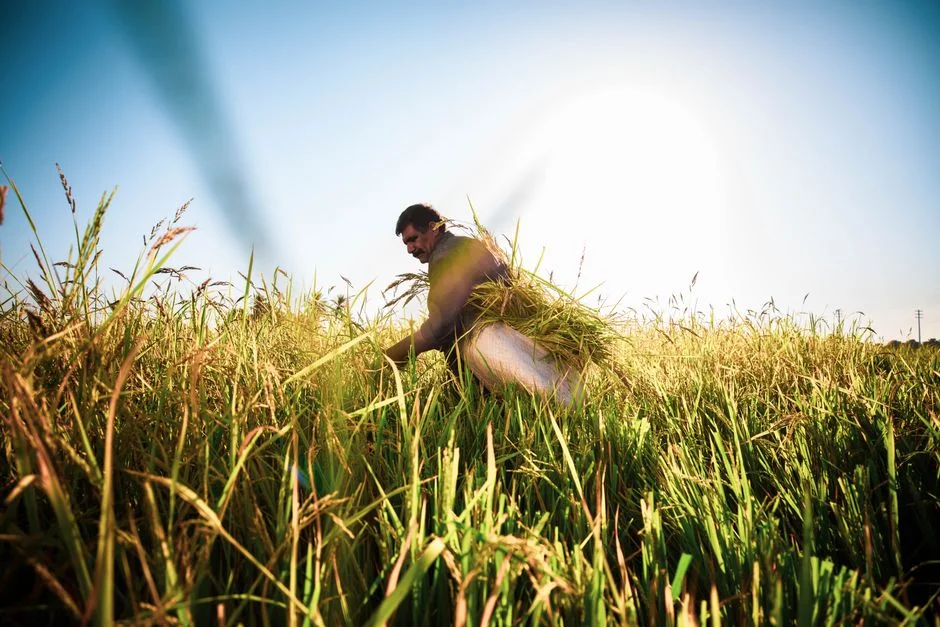
The Indian Meteorological Department (IMD) has announced that the onset of the southwest monsoon will be delayed, with expectations of significant rainfall slipping to mid-June. Farmers across the country, especially in regions reliant on timely rains for sowing, are deeply concerned about the potential for drought and reduced crop yields this season.
When Will the Monsoon Arrive?
The IMD's revised forecast indicates that the monsoon could reach Kerala by June 15, approximately a week later than initial predictions. This shift is particularly crucial for farmers in states like Punjab and Haryana, where the timely arrival of rain is vital for the kharif cropping season, which begins with the southwest monsoon.
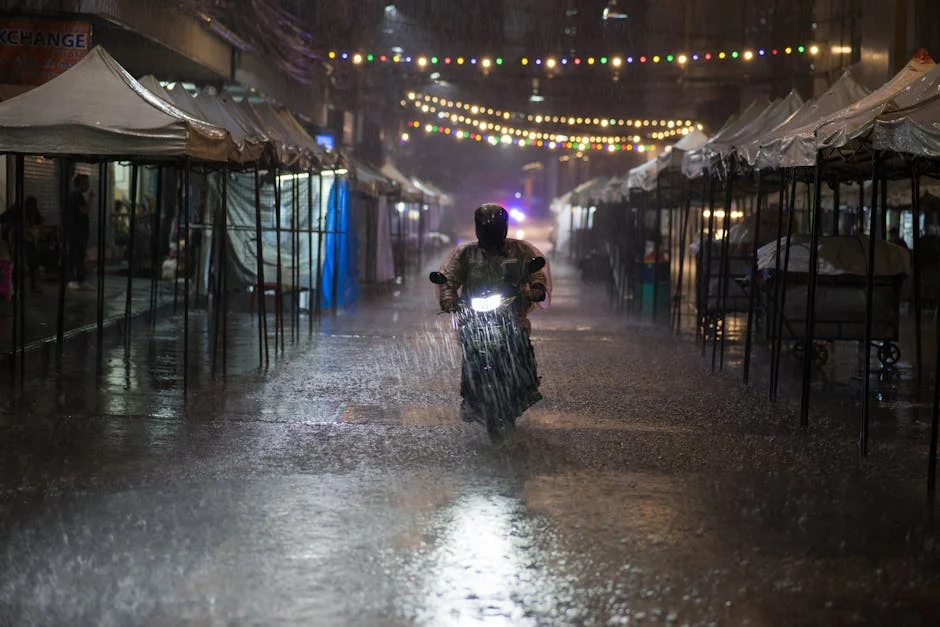
As of now, the monsoon is expected to bring first rains to the southern state of Kerala, which typically marks the rain season's commencement in India. The delay in monsoon onset puts additional pressure on farmers who have already been grappling with dwindling water supplies.
The Impact on Agriculture
India's agricultural sector accounts for about 18% of its GDP, employing nearly 58% of the population. Delayed monsoon can lead to severe consequences for crop production, particularly for staples like rice and pulses. According to the Ministry of Agriculture, a 10% decrease in rainfall can potentially reduce crop yields by up to 20% in affected regions.
In recent years, erratic weather patterns have already strained agricultural practices. Many farmers are now left to rely on artificial irrigation and have found it increasingly challenging to maintain their livelihoods due to rising costs associated with water management.
Citizen Reactions and Community Response
In response to the IMD’s announcement, many farmers have expressed frustration and concern over the lack of consistent rainfall. Rajesh Kumar, a farmer from Bihar, noted, "We are worried that if the rains do not arrive on time, we will have to spend more on irrigation, which we can hardly afford. Many of us are already in debt from last year’s losses."
Local agricultural cooperatives have begun organising meetings to discuss how to mitigate the expected impact. Many are advocating for increased government support in the form of subsidies for irrigation and better access to water resources.
Economic Ramifications Beyond Agriculture
The repercussions of delayed monsoon rains extend beyond agriculture. A decline in crop yields can lead to higher food prices, affecting household expenditure and prompting inflationary trends. The Reserve Bank of India has previously warned that food inflation could become a critical issue in the country during dry years.
Additionally, a decrease in agricultural output could impact local economies significantly, especially in rural areas where farmers’ income forms the backbone of economic activity. Many small businesses rely on the agricultural cycle for their sales, and any disruption in this cycle can ripple through the community.
What to Watch For Next
The IMD will continue to monitor weather patterns closely and provide updates on the monsoon's progress. Farmers and local authorities are urged to stay alert for any changes in forecasts that could affect their planting schedules. With June 15 approaching, stakeholders across the agricultural sector are preparing for multiple scenarios.
As the situation unfolds, the government may need to implement additional measures to support farmers and communities struggling with the monsoon delay. Close attention will be paid to rainfall metrics in the coming weeks, as these will be pivotal for the health of the upcoming cropping season.
See Also
- Phil Mickelson Withdraws from Masters Amid Health Concerns
- CDC Issues Level-2 Travel Advisory for Polio: What It Means for Indian Travellers
The Reserve Bank of India has previously warned that food inflation could become a critical issue in the country during dry years.Additionally, a decrease in agricultural output could impact local economies significantly, especially in rural areas where farmers’ income forms the backbone of economic activity. Many of us are already in debt from last year’s losses."Local agricultural cooperatives have begun organising meetings to discuss how to mitigate the expected impact.