The scorching heat has returned to Delhi with relentless force, shattering the brief respite residents enjoyed earlier this week. The India Meteorological Department (IMD) has issued a fresh warning as temperatures in the capital are set to surge again by Sunday. Citizens who had started to step out of their air-conditioned sanctuaries are bracing for another brutal stretch of summer.
Heat Returns with a Vengeance
Delhi’s weather pattern has been notoriously unpredictable this season. Just days ago, a combination of westerly disturbances and increased cloud cover brought temperatures down to a manageable 38 degrees Celsius. Residents in neighborhoods like Lajpat Nagar and Rohini even opened their windows at night, hoping for a cooling breeze. That relief, however, was short-lived. The mercury is now climbing back up, driven by a high-pressure system settling over the Indo-Gangetic plain.
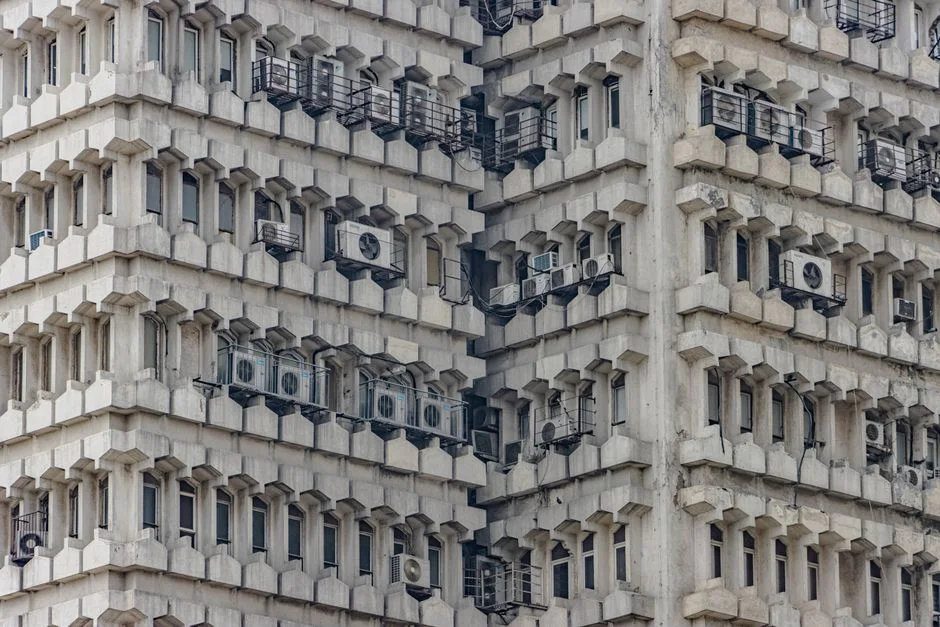
The IMD has confirmed that the maximum temperature in New Delhi could touch 41 degrees Celsius by Sunday. This marks a sharp increase from the previous week’s averages. The minimum temperature is also expected to hover around 26 degrees Celsius, meaning the night-time relief will be minimal. This combination of high day and night temperatures creates a “heat dome” effect, trapping warmth close to the ground.
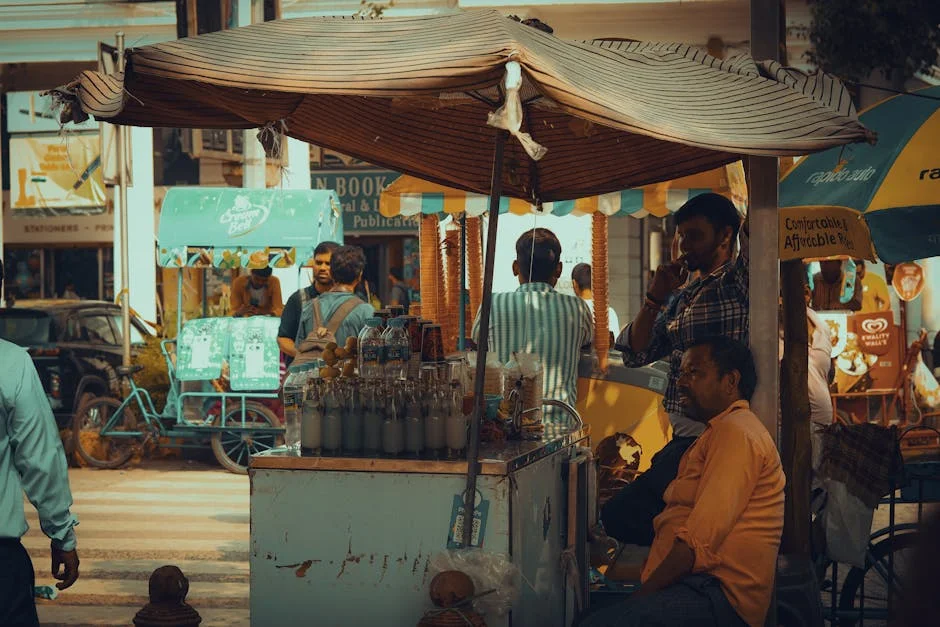
Local residents are already feeling the impact. In the bustling markets of Chandni Chowk, vendors have pulled out extra fans and misting systems. “We thought the worst was over,” said Ramesh Verma, a shopkeeper near the Red Fort. “Now we have to buy new ice blocks for the tea stalls.” The sudden return of heat disrupts daily routines and increases the cost of doing business for small traders.
Impact on Daily Life and Local Economy
The return of the heatwave directly affects millions of Delhiites in their daily lives. Commuters on the Delhi Metro and the Delhi Metro Rail Corporation (DMRC) face sweltering platforms and trains. While the metro system has installed air-conditioned corridors, the last-mile connectivity remains a challenge. Auto-rickshaws and buses, which form the backbone of public transport, often struggle with aging cooling systems.
For the daily wage earners in areas like Noida Extension and Ghaziabad, the heat means reduced productivity. Construction sites, which are the lifeblood of the regional economy, often see workers taking longer breaks to avoid heatstroke. This slows down project timelines and affects income for thousands of laborers. The local economy feels the strain as people adjust their spending habits to cope with the rising costs of cooling and hydration.
Strain on Power and Water Resources
The Delhi Vidyut Board (BSES and Tally) is preparing for a spike in electricity consumption. As more households turn on air conditioners and fans, the load on the power grid increases significantly. This can lead to voltage fluctuations and, in some cases, unexpected power cuts. Residents in older colonies like Karol Bagh and Paharganj are particularly vulnerable to these fluctuations.
Water resources are also under pressure. The Municipal Corporation of Delhi (MCD) has advised residents to conserve water as demand surges. Tankers are being deployed to key areas where the pipeline supply might dip. The heat accelerates evaporation in reservoirs and lakes, affecting the overall water balance in the capital. Citizens are urged to check for leaks and use water wisely to prevent shortages.
Health Risks for Vulnerable Populations
Health officials are on high alert as the heat poses serious risks to public health. The Delhi Health and Household Affairs Department has reported a rise in cases of heat exhaustion and heatstroke. Hospitals in South Delhi and East Delhi are seeing an influx of patients, particularly among the elderly and children. The Indian Council of Medical Research (ICMR) has advised doctors to monitor patients for dehydration and electrolyte imbalance.
Vulnerable groups include outdoor workers, such as traffic police, delivery riders, and street vendors. Traffic police in Delhi, who stand on the roads for hours, are being provided with electrolyte drinks and rest areas. However, coverage is not uniform across all districts. Community volunteers and local NGOs are also stepping in to distribute water and cold drinks in busy intersections and markets.
Schools and educational institutions are adjusting their schedules to mitigate the heat. Many private schools in Gurgaon and Faridabad have extended lunch breaks or shifted outdoor activities to the cooler morning hours. The Delhi Government has advised schools to ensure that classrooms are well-ventilated and that students have access to drinking water throughout the day.
Weather Office Issues Warning The Explained
The warning issued by the weather office is based on detailed meteorological data. The IMD uses satellite imagery, ground stations, and weather models to predict temperature trends. The current forecast indicates a stable high-pressure system that will keep the skies clear and the sun intense. This pattern is typical for mid-summer in Delhi, but the intensity this year is higher than average.
Understanding these warnings helps citizens plan their day. For instance, knowing that the peak heat occurs between 12 PM and 4 PM allows people to schedule outdoor activities accordingly. The IMD also provides district-wise forecasts, which help local authorities allocate resources effectively. For example, if North Delhi is expected to be hotter than South Delhi, more water tankers can be deployed there.
The warning also includes air quality indices. While heat often improves air quality by dispersing pollutants, the dust raised by the heat can aggravate respiratory conditions. Residents with asthma or allergies are advised to wear masks when stepping out. The combination of heat and dust creates a unique challenge for Delhi’s lungs.
Community Response and Adaptation
Delhi’s communities are showing remarkable resilience in the face of the heat. Local Resident Welfare Associations (RWAs) are organizing cool relief camps in parks and community centers. In areas like Dwarka and Saket, volunteers are serving chilled buttermilk and fruit juices to pedestrians. These grassroots efforts complement the government’s initiatives and provide immediate relief to those who need it.
Small businesses are also adapting. Cafes and restaurants are extending their outdoor seating areas and adding misting fans to attract customers. Some shops are offering discounts on cold beverages to boost sales. This economic adaptation helps sustain local commerce while providing comfort to consumers. The spirit of community support is evident in how neighbors check on each other, especially the elderly living alone.
Transport operators are also making adjustments. The Delhi Transport Corporation (DTC) has increased the frequency of buses on popular routes to reduce waiting times in the sun. Auto-rickshaw unions have negotiated slight fare hikes during peak heat hours to compensate drivers for the extra effort. These small changes help maintain the flow of daily life in the capital.
What to Watch Next Week
The IMD has indicated that the heatwave will persist for at least the next five days. Residents should monitor daily weather updates to stay informed. The next critical period will be from Sunday to Tuesday, when temperatures are expected to peak. After that, a slight dip is forecasted due to incoming westerly disturbances.
Citizens are advised to keep an eye on the air quality index as well. Dust storms are possible if the heat continues to dry out the soil. The Delhi Government may issue further advisories regarding school timings and work hours for outdoor laborers. Staying hydrated and avoiding direct sun exposure during peak hours remains the best strategy for beating the heat.
See Also
- Kalyan Banerjee Slams Kakoli Ghosh Dastidar’s Abuse Claims — What’s Next in Lok Sabha?
- Sensex Plummets by 800 Points in Final Hours as Inflation Fears Grip Investors