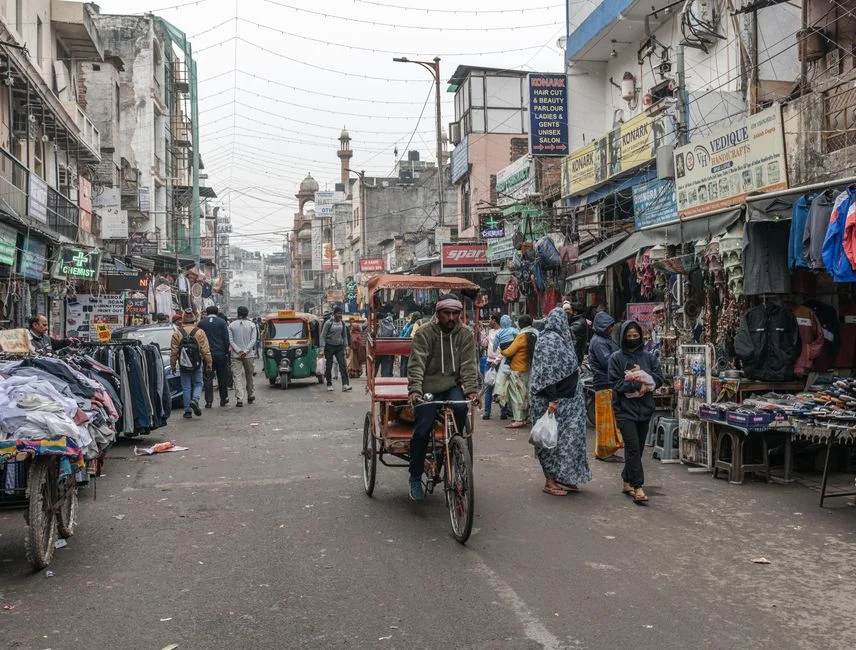
India's economy is demonstrating cautious resilience, even as ongoing conflicts in the Middle East create waves of uncertainty. On October 18, 2023, the Department of Economic Affairs (DEA) stated that while geopolitical tensions disturb global markets, India remains relatively stable—at least for now. This stability is crucial for the everyday lives of citizens and the broader local economy.
Impact on Local Economy
The DEA noted that India's GDP growth is projected to be around 6.1% for the fiscal year 2023-24. Despite the turmoil in the Middle East, which is a major supplier of crude oil to India, the country’s energy reserves are expected to withstand short-term shocks. However, citizens are already starting to feel the pressure as fuel prices fluctuate significantly due to the instability.
Local businesses are also adapting to these dynamics. Small shopkeepers and vendors in cities like Mumbai report a decrease in consumer spending as families tighten their budgets in response to rising costs. According to a recent survey, 54% of small retailers indicate they have seen a drop in sales over the past month due to increased oil prices.
Citizens' Concerns and Reactions
As the conflict escalates, public sentiment is shifting. Many citizens express concern about how India can maintain its energy security while navigating complex international relations. “We rely on these resources for our daily life. A hike in prices affects everyone,” said Ramesh Gupta, a resident of New Delhi.
Community organisations are stepping up to provide guidance and support. In several Indian cities, grassroots initiatives are forming to educate the public about managing their finances in light of rising energy costs and potential shortages.
Government's Response
The Indian government, through the Ministry of Petroleum and Natural Gas, is actively monitoring the situation, aiming to reassure citizens about fuel supply stability. On October 19, 2023, Minister Hardeep Singh Puri confirmed that contingency plans are in place to manage oil imports should the situation worsen in the Middle East.
Additionally, the government is considering diversifying its energy sources, as over 80% of India's crude oil is imported. This strategy aims to cushion the economy against external shocks and maintain stability in energy prices.
Impact on Trade and Investment
The ongoing conflict has also cast a shadow on India's trade relations. The DEA reported that trade with countries in the Middle East accounts for nearly $140 billion annually. Disruptions could hinder India's export and import activities, affecting local manufacturers who depend on raw materials from these regions.
Local exporters have started seeking alternative markets to mitigate risk. For instance, textile manufacturers in Surat are exploring trade partnerships with Southeast Asian countries, which may lessen their dependence on Middle Eastern imports.
What to Watch Next
As citizens and businesses adapt to these challenging conditions, experts advise staying informed about ongoing developments in the Middle East. The next two months will be critical as the Indian government evaluates its energy policies and economic strategies in light of external pressures.
Moreover, stakeholders are encouraged to engage with community workshops aimed at equipping citizens with tools for financial resilience during this period. The Indian public will be watching closely as the government navigates this intricate landscape to safeguard economic stability.
See Also
- André Ventura Slams Montenegro for Distracting Attention - Analysis of Government Moves Unveiled
- Seguro Warns of Fire Risks in Leiria as Residents Fear for Safety
For instance, textile manufacturers in Surat are exploring trade partnerships with Southeast Asian countries, which may lessen their dependence on Middle Eastern imports.What to Watch NextAs citizens and businesses adapt to these challenging conditions, experts advise staying informed about ongoing developments in the Middle East. On October 19, 2023, Minister Hardeep Singh Puri confirmed that contingency plans are in place to manage oil imports should the situation worsen in the Middle East.Additionally, the government is considering diversifying its energy sources, as over 80% of India's crude oil is imported.
What is the latest news about india navigates middle east conflict economy faces new challenges?
Why does this matter for business-economy?
What are the key facts about india navigates middle east conflict economy faces new challenges?