Pakistan's ongoing tensions with the Taliban have reached a critical point, impacting local communities on both sides of the border. This conflict, which has erupted over the past several months, reflects deeper issues of governance and security across Afghanistan and Pakistan. As fighting intensifies, citizens are facing increased risks, with reports of escalating violence in border areas.
Border Clashes Intensify Amid Taliban Control
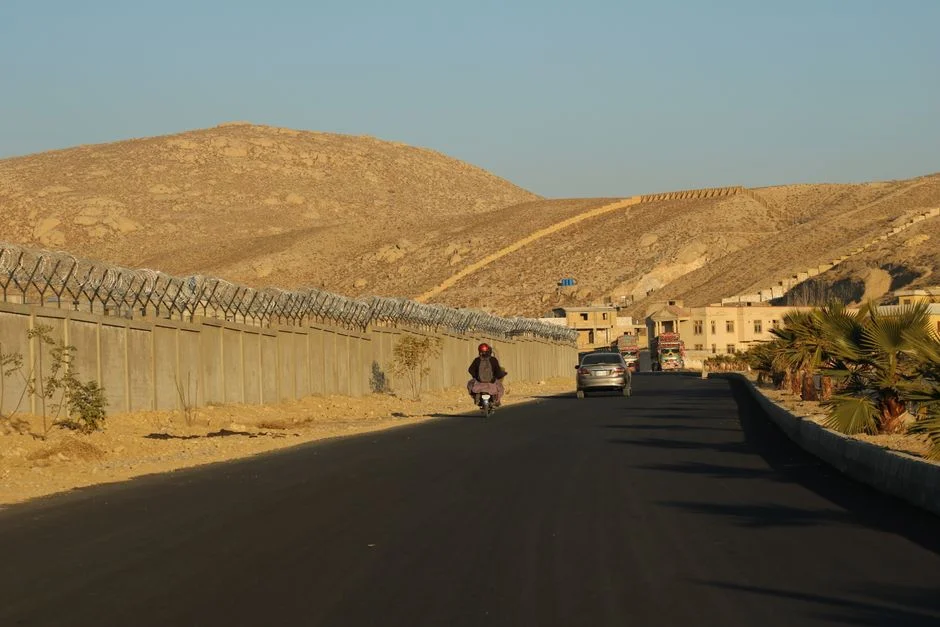
The Durand Line, a disputed border between Pakistan and Afghanistan, has become a hotspot for clashes. Pakistani military officials confirmed that skirmishes occurred near Khost province in Afghanistan over the past week, resulting in at least five casualties, including two civilians. These confrontations have disrupted daily life, compelling local residents to evacuate and seek safety in larger towns.
Reports indicate that the Taliban has consolidated its power since the U.S. withdrawal in August 2021. As of November 2023, they control approximately 85% of Afghanistan, yet their governance has come under scrutiny for failing to provide stability or security in border regions.
Economic Ramifications for Local Communities
Cross-border trade, vital for the economies of both nations, has significantly suffered due to ongoing hostilities. Traders in regions like Waziristan, Pakistan, have reported a decline in their businesses, with some stating sales have plummeted by 60% since the fighting escalated. Increased border checks and security concerns lead to delays and losses, crippling local economies reliant on trade.
Afghanistan's economy is also grappling with the fallout. The United Nations reported that over 20 million people face acute food insecurity, a crisis exacerbated by continuous conflict disrupting agriculture and distribution networks. Families in both countries are struggling to make ends meet amid soaring prices and dwindling resources.
Community Responses and Rising Tensions
Local communities are increasingly frustrated with the ongoing conflict and its implications for their safety and livelihoods. In Pakistan's Khyber Pakhtunkhwa province, residents held protests demanding government intervention to ensure their security against cross-border attacks. Meanwhile, Afghan citizens express concerns about the Taliban's military focus, which detracts from necessary humanitarian efforts.
Taliban's Governance Under Scrutiny
The Taliban's rule continues to be questioned regarding its failure to stabilise the country and prevent infighting. Many citizens report feeling abandoned as basic services remain limited due to the government's preoccupation with military actions. Schools, hospitals, and infrastructure are suffering as a result, impacting the most vulnerable populations.
International Involvement and Future Prospects
China's recent involvement in regional stability discussions has raised questions about the future dynamics between Pakistan and Afghanistan. Chinese officials have offered to mediate peace talks, yet scepticism remains among local communities who worry about potential foreign influence exacerbating the situation.
Analysts warn that without effective international mediation, conflicts may escalate further, leading to a humanitarian crisis in the region. The situation's volatility continues to threaten not only border areas but also the broader geopolitical stability of South Asia.
What’s Next for Afghanistan and Pakistan?
The coming months are critical as Pakistan's military prepares for potential further operations against Taliban positions. Local citizens will be watching closely for any signs of progress in peace negotiations, with many hoping for a return to normalcy. Meanwhile, humanitarian organisations are ramping up efforts to provide aid to affected communities, but their ability to operate remains challenged by the ongoing violence.
As tensions remain high, the international community must pay attention to the developments, as they could influence stability in not just Pakistan and Afghanistan, but across the region.
See Also
- Sessions Court Reveals Police Shielded Ex-CM Pinarayi's Guards from Prosecution
- Delhi’s Metro Monday Launch Triggers Immediate Commuter Shift
Meanwhile, Afghan citizens express concerns about the Taliban's military focus, which detracts from necessary humanitarian efforts.Taliban's Governance Under ScrutinyThe Taliban's rule continues to be questioned regarding its failure to stabilise the country and prevent infighting. Schools, hospitals, and infrastructure are suffering as a result, impacting the most vulnerable populations.International Involvement and Future ProspectsChina's recent involvement in regional stability discussions has raised questions about the future dynamics between Pakistan and Afghanistan.
What is the latest news about pakistan demands action on taliban tensions threaten border communities?
Why does this matter for local-news?
What are the key facts about pakistan demands action on taliban tensions threaten border communities?