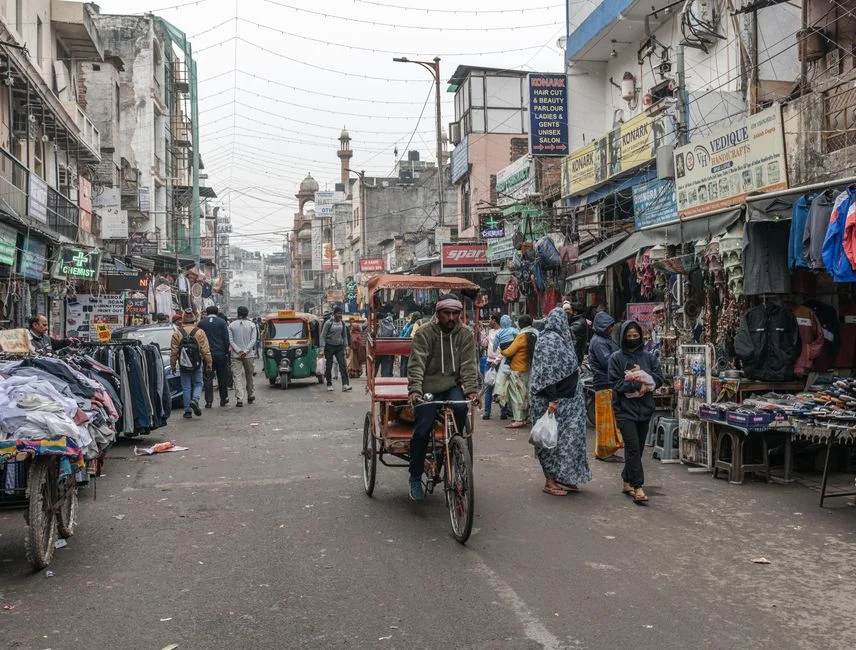
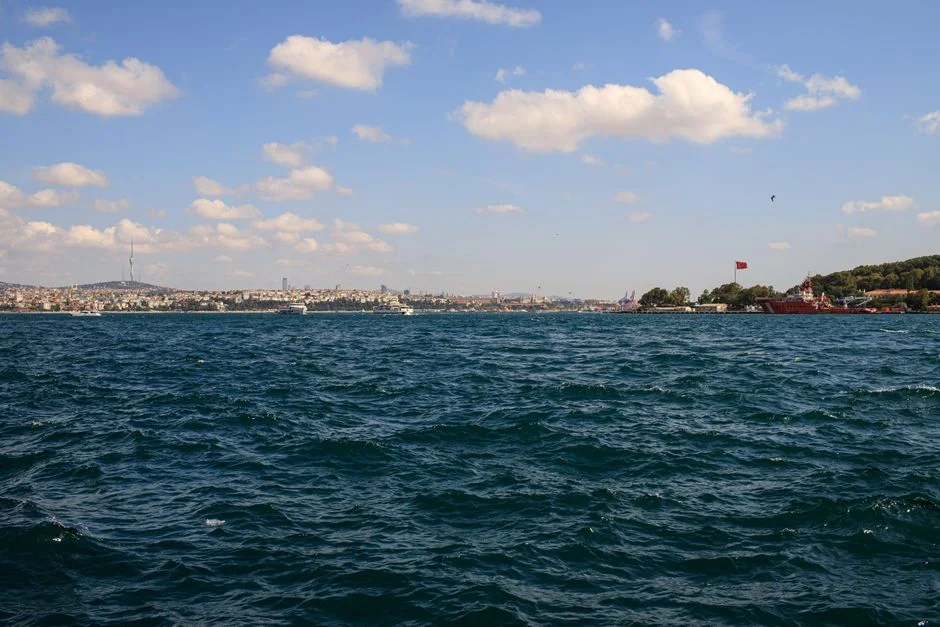
Iran's Ambassador to India, Fathali, recently announced that the Strait of Hormuz, a vital waterway for global trade, will no longer allow free navigation for ships. This decision, which comes into effect immediately, is expected to impact shipping costs significantly, particularly for countries reliant on this route, including India.
Impact on Trade and Economy
The Strait of Hormuz sees roughly 20% of the world's oil exports pass through its waters. With Iran's new policy, ships will incur fees that could drive up the cost of oil and other goods. As a result, analysts predict an increase in fuel prices in India, which could affect all sectors of the economy, from transportation to manufacturing.
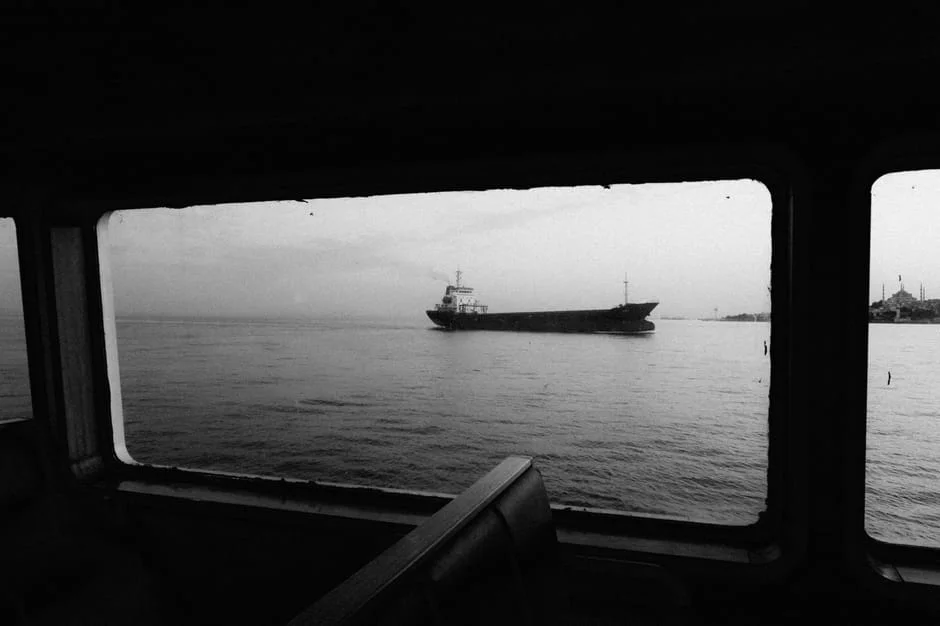
Trade relations between Iran and India have been historically significant. India imports a substantial amount of oil from Iran, accounting for approximately 10% of its total oil imports. If navigation costs rise, these costs may be passed on to consumers in India, leading to higher prices for everyday goods.
Reactions from Indian Exporters
Indian exporters are voicing concerns over the increased costs of shipping goods through the Strait of Hormuz. The Federation of Indian Export Organisations reported that many are already bracing for reduced profit margins as shipping expenses rise. "The added charges will make our products less competitive in international markets," stated a spokesperson for the federation.
Some exporters are contemplating alternative routes or suppliers to mitigate the effects of the new charges. However, this transition may take time and could disrupt existing supply chains, further affecting local businesses.
Geopolitical Tensions and Economic Consequences
The announcement has stirred up geopolitical tensions, particularly with Israel, which Iran has labelled as the 'Zionist regime.' This hostility could further complicate trade policies and relations in the region. Analysts warn that any escalation in regional tensions may lead to even higher shipping rates and risks for vessels navigating these waters.
India's Ministry of External Affairs is expected to monitor the situation closely, looking for diplomatic channels to address the increasing costs and ensure the stability of oil imports. Economic experts suggest that the government may need to reassess its energy policies to safeguard against rising global prices.
The Road Ahead for Indian Consumers
As the new navigation charges take effect, Indian consumers may soon feel the impact at the pump. Petrol and diesel prices, which have been stabilising recently, could spike as a result of the increased shipping fees. This change will likely lead to higher transportation costs, which could contribute to inflationary pressures.
The Reserve Bank of India will be keeping a close eye on these developments, as rising fuel prices often lead to higher general price levels. Households may need to prepare for potential increases in living costs over the coming months.
Future Developments to Watch
Looking ahead, the Indian government will need to address the implications of these charges and potentially negotiate further with Iran to maintain a stable flow of oil and goods. Diplomatic engagements along with economic strategies will be crucial in navigating this challenge.
As shipping companies adjust to these new fees, industry stakeholders will be watching closely for any shifts in trade policy or further announcements from Iran. The ramifications of these changes will be felt not just in India, but across the global economy.
See Also
- Afreximbank Raises Caricom Financing Cap to $5 Billion: What It Means for the Region
- Iran Threatens Long-Range Missiles as Bibi Warns of 'Very Difficult Evening'
Economic experts suggest that the government may need to reassess its energy policies to safeguard against rising global prices.The Road Ahead for Indian ConsumersAs the new navigation charges take effect, Indian consumers may soon feel the impact at the pump. Analysts warn that any escalation in regional tensions may lead to even higher shipping rates and risks for vessels navigating these waters.India's Ministry of External Affairs is expected to monitor the situation closely, looking for diplomatic channels to address the increasing costs and ensure the stability of oil imports.
What is the latest news about iran charges for strait of hormuz navigation what it means for trade in india?
Why does this matter for politics-governance?
What are the key facts about iran charges for strait of hormuz navigation what it means for trade in india?