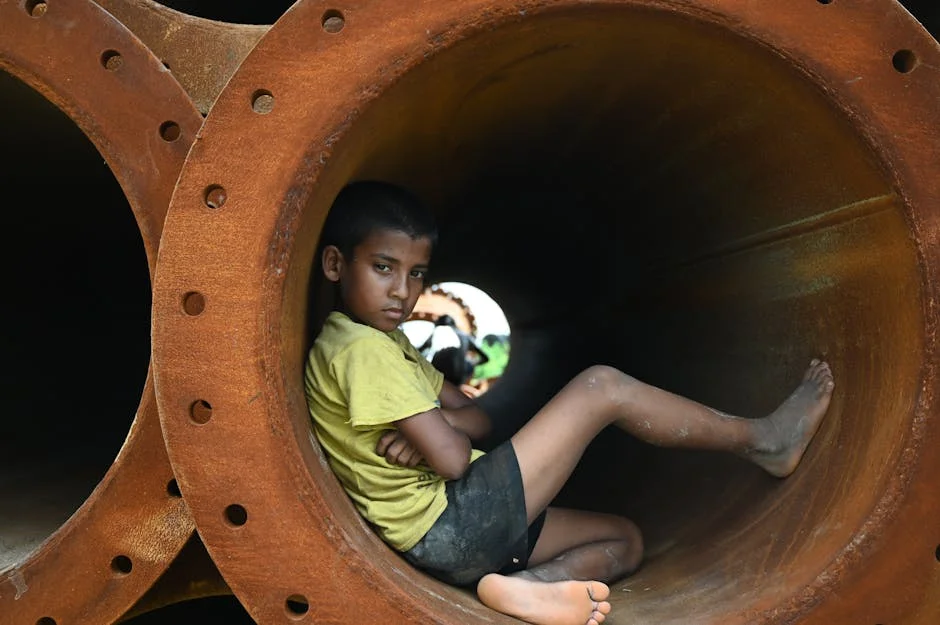
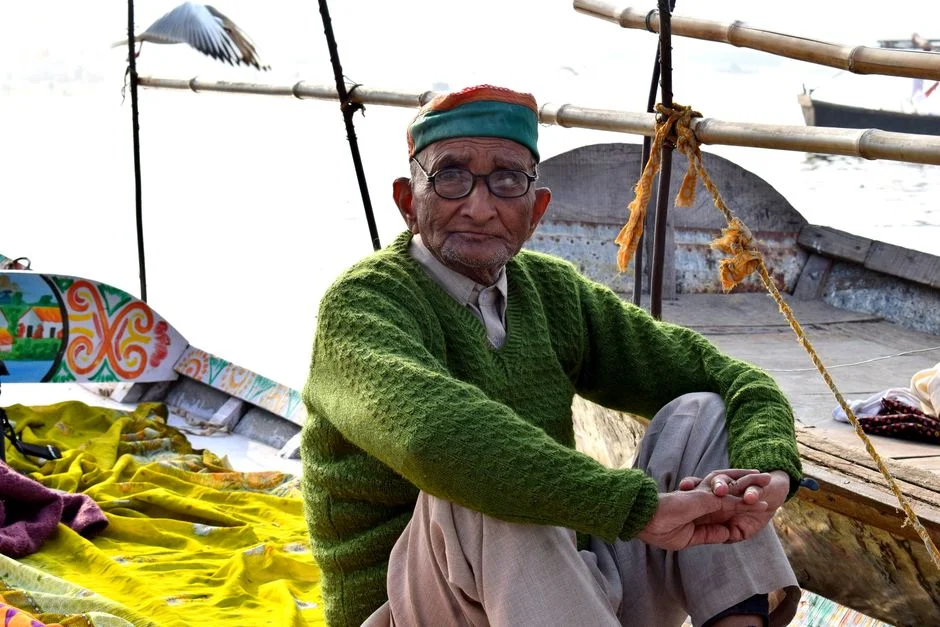
India is experiencing unprecedented heatwaves this summer, with temperatures in New Delhi soaring to a staggering 45°C. The India Meteorological Department (IMD) reported that this extreme weather, a direct effect of climate change, is expected to continue for several weeks, prompting serious concerns for public health and local economies.
Heat Wave Grips Major Cities
Cities across northern India, including Delhi, Chandigarh, and Lucknow, are grappling with the consequences of the intense heat. The IMD has issued warnings, predicting persistent high temperatures that are causing severe discomfort and risk for vulnerable populations. Residents are advised to stay hydrated and limit outdoor activities, especially during peak hours.
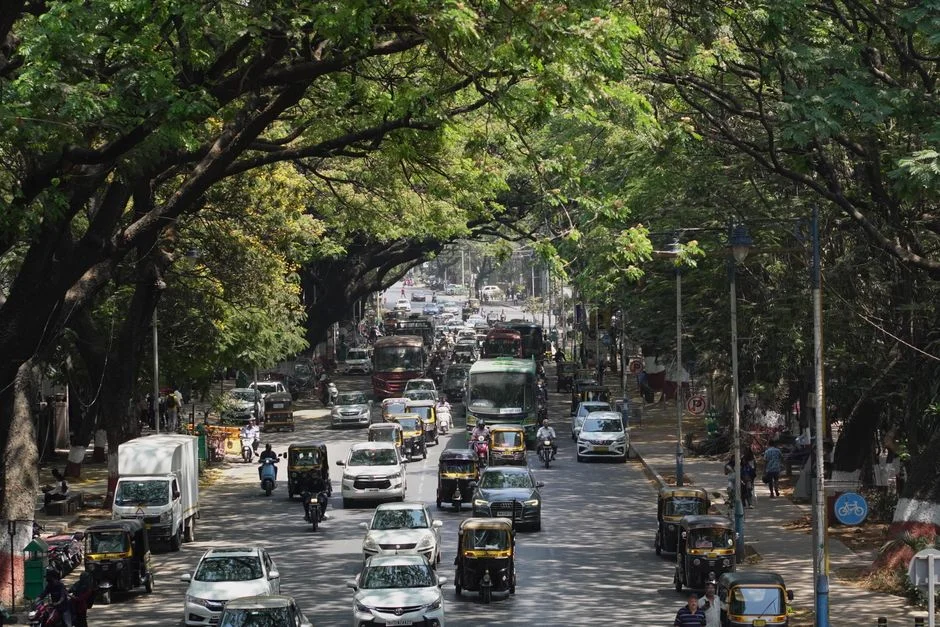
The rise in temperatures has led to an increase in energy consumption as citizens rely more on air conditioning and fans. In fact, energy demand in Delhi has surged by 15% compared to the previous month, straining the local power grid and leading to sporadic blackouts in some areas.
Impact on Daily Life and Health
As temperatures soar, the health risks associated with extreme heat are becoming more pronounced. Hospitals are reporting a spike in heat-related illnesses, particularly among the elderly and those with pre-existing health conditions. Dr. Rakesh Sharma, a leading physician at AIIMS, stated, "We are seeing an alarming increase in patients suffering from heat exhaustion and dehydration. It's crucial for people to understand the risks and take necessary precautions."
In addition to health risks, the extreme heat is affecting daily routines. Many workers, especially those in agriculture, are struggling to cope with the oppressive conditions, which can lead to decreased productivity and lower income. Farmers in Punjab and Haryana, for instance, are facing crop stress, with some reports indicating that yields for wheat and other staples could decline by up to 20% this season.
Economic Consequences of Extreme Heat
The economic implications of the heatwave extend beyond immediate health concerns. The increased demand for electricity drives up costs, which can lead to higher utility bills for households. Local businesses, particularly those dependent on foot traffic, are also feeling the pinch. With people avoiding outdoor activities, shops and restaurants report significant drops in customer turnout.
Moreover, the tourism sector, which has started to recover from previous lockdowns, is now facing uncertainty. Hotels and tour operators in Rajasthan and Goa warn of cancellations and reduced bookings as potential tourists opt for cooler destinations. The economic fallout from extreme temperatures could challenge India's recovery efforts in these sectors.
Community Responses to the Crisis
In response to the escalating situation, community groups and local governments are mobilising resources to provide support. In New Delhi, various non-profit organisations are distributing water bottles and cooling packs to those in need, particularly targeting homeless individuals and daily wage workers. Local authorities are also increasing the availability of public cooling centres to help residents escape the heat.
Awareness campaigns are being rolled out to educate the public on heat safety. These initiatives stress the importance of hydration, wearing appropriate clothing, and recognising the signs of heat-related illnesses. Nevertheless, the effectiveness of these efforts is contingent upon widespread participation and understanding of the risks involved.
Global Context and Future Implications
This extreme heat in India is not an isolated incident but part of a worrying global trend linked to climate change. According to a recent report by the World Meteorological Organisation, heatwaves are becoming more frequent and intense due to rising global temperatures. As countries grapple with these changes, India must implement robust strategies to mitigate the impacts.
The Indian government announced plans to enhance heat resilience by investing in infrastructure improvements, including better public transport and energy systems. However, the challenge remains daunting, given the country's diverse climate zones and the socio-economic vulnerabilities of many communities.
What to Watch Next
As India endures these extreme temperatures, the focus will shift to how the government and communities adapt to ongoing climate challenges. Upcoming forecasts suggest that heatwaves could persist well into the monsoon season, making immediate action essential. Residents are urged to stay informed about weather updates and prepare for potential health and economic impacts in the coming weeks.
See Also
- High Court Sets New Jail Term for Drivers with Suspended Licences — Citizens Brace for Impact
- Anglican Leaders Call for Climate Finance as Pacific Islands Face Rising Risks