The Office of the United States Trade Representative has placed India on a preliminary list of 60 countries flagged for potential trade action under Section 307 of the Trade Act of 1974, according to documents released in Washington. The provision bans imports of goods mined, produced, or manufactured with forced labour. The announcement threatens tariffs or outright import bans on Indian exports worth billions of dollars annually.
What triggered the review
Section 307 investigations allow the US government to restrict products linked to forced or indentured labour. The Trade Representative's office confirmed that India entered the review process following petitions from advocacy groups and congressional pressure over conditions in Tamil Nadu's textile hubs, Gujarat's diamond-cutting facilities, and Punjab's agriculture sector. Officials in New Delhi have not yet issued a formal response to the announcement.
The review applies a "reasonable suspicion" standard, meaning the US does not need to prove forced labour definitively before proposing remedies. Industry groups in Mumbai and Surat have already begun lobbying the federal government to push back against what they describe as unsubstantiated accusations.
The scale of Indian exports at stake
India ships approximately $50 billion in goods to the United States each year that fall under Section 307 scrutiny. Textiles and apparel constitute the largest category, followed by pharmaceuticals, footwear, and processed foods. A full import ban on these sectors would represent one of the most aggressive trade actions Washington has taken against a major ally in decades.
Small and medium enterprises in cities like Ludhiana, Bhilwara, and Tirupur face the most immediate danger. These factories often lack the compliance infrastructure to audit their own supply chains, making it difficult to certify that their products are free from forced labour. "We don't even know which of our sub-contractors might be flagged," said one garment exporter in Tamil Nadu who requested anonymity. "The paperwork alone could take months we don't have."
How Washington plans to proceed
The Trade Representative's office will now conduct a 90-day review period during which affected countries can submit evidence of compliance or reform measures. India can also request bilateral consultations before any final determination is made. However, past Section 307 cases involving Xinjiang, Belarus, and North Korea suggest the US rarely reverses course once a country is formally listed.
Customs and Border Protection agents at American ports of entry will gain expanded authority to detain shipments from flagged countries. Importers will bear the burden of proving their supply chains are clean before goods can enter US markets.
Impact on Indian workers and communities
For Indian workers, the consequences cut both ways. If American buyers pull orders in response to the listing, factory workers in export-dependent regions face layoffs and wage cuts. Analysts at the Federation of Indian Export Organisations estimate that a 20% reduction in US-bound textile exports could eliminate roughly 1.5 million jobs within eighteen months, primarily affecting women in rural Tamil Nadu and Rajasthan.
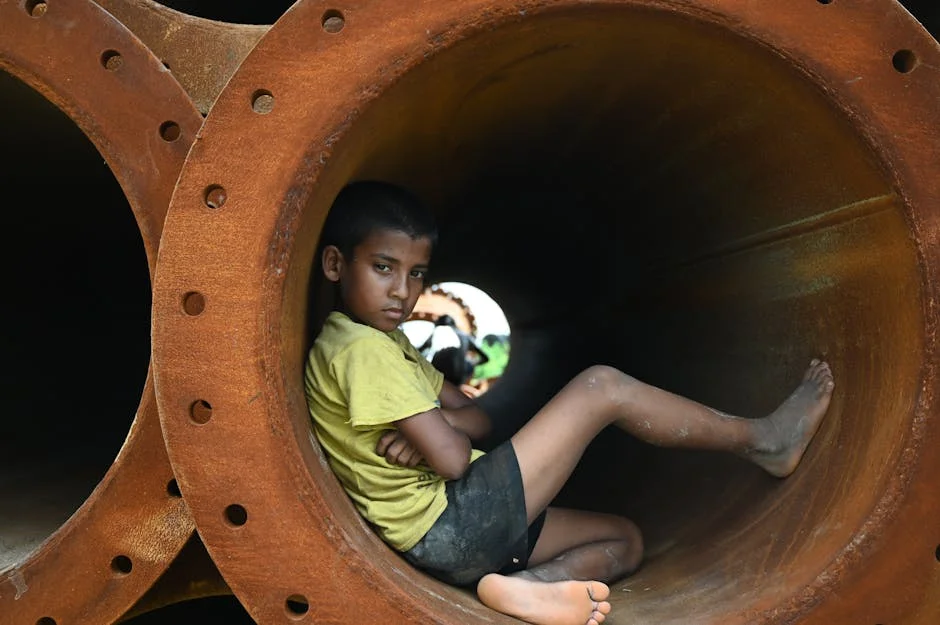
On the other hand, forced labour advocates argue that American pressure could accelerate reforms that benefit workers long term. The Tamil Nadu textile industry, which employs over 1 million people, has faced repeated allegations of debt bondage among migrant workers from Bihar and Odisha. Labour rights organisations in Coimbatore have documented cases of workers having their identity documents withheld by contractors.
Which Indian sectors face the highest risk
The apparel and textile sector carries the greatest exposure. The US imported $4.2 billion worth of Indian clothing and fabrics in the last fiscal year. Pharmaceutical ingredients sourced from facilities in Hyderabad and Goa present a more complicated picture — the US relies heavily on Indian generic drug manufacturers, making a full ban unlikely despite the sector's inclusion on the preliminary list.Diamond processing units in Surat, which supply roughly 90% of the world's cut diamonds, represent another vulnerability. Investigators have previously identified cases where migrant workers in Gujarat's polishing units experienced conditions resembling forced labour, though the industry has disputed these findings.
India's government response
The Ministry of Commerce and Industry in New Delhi convened an emergency meeting following the announcement. A spokesperson told reporters the government would "vigorously defend" Indian exporters while simultaneously working to strengthen domestic labour inspections. The ministry has allocated additional funding for compliance audits in the textile and gemstone industries, though critics say enforcement remains inconsistent.
Trade analysts note that India's inclusion on the list comes at a sensitive moment. Bilateral trade talks between Washington and New Delhi have accelerated in recent months, with both sides seeking agreements on semiconductors and defence equipment. The forced labour investigation could complicate those negotiations or, alternatively, be used as leverage.
What happens next
The 90-day review period ends in late autumn. By then, New Delhi must demonstrate concrete improvements or risk formal import restrictions. American companies sourcing from India are already beginning to diversify their supplier bases, according to trade publications, with Vietnam and Bangladesh emerging as alternative destinations.
Workers in India's export zones should watch for changes in inspection protocols and company policies over the coming months. Families dependent on textile and pharmaceutical wages in Tamil Nadu, Gujarat, and Punjab face the most direct impact if American buyers shift orders elsewhere. The next six weeks will determine whether diplomatic pressure translates into actual reforms or whether the dispute escalates into a full-blown trade confrontation.
See Also