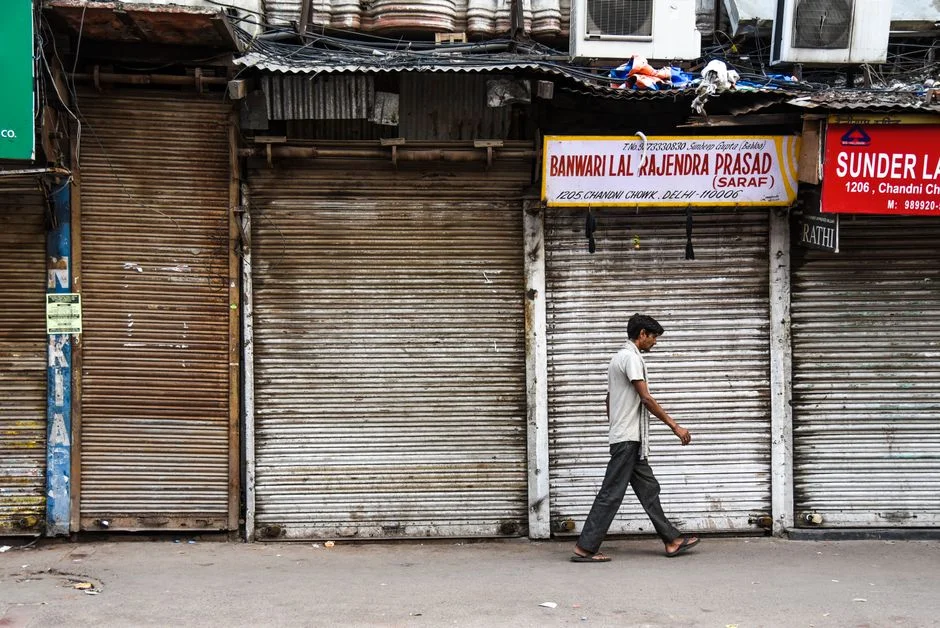
Delhi residents woke up to sweltering conditions as the capital city recorded its warmest May night in 14 years. The thermometer hit an astonishing 32.4 degrees Celsius on the eve of the new month, shattering previous records for this transitional period.
This extreme heat is not just a meteorological anomaly; it is a direct assault on daily life for over 20 million people. The India Meteorological Department (IMD) confirmed the data, signaling that the brutal summer is arriving earlier and with more intensity than anticipated.
The Shock of the 32.4-Degree Night
The temperature of 32.4 degrees Celsius at night is unprecedented for early May. Typically, Delhi nights offer a brief respite from the daytime scorching, allowing residents to open windows and breathe. This year, the air remained thick and hot well past midnight.
Citizens in neighborhoods like Lajpat Nagar and Rohini reported that fans and air conditioners had to run on full blast all night. The usual dip in temperature that allows for some natural cooling was virtually non-existent. This sustained heat places immediate stress on the body, especially for the elderly and young children.
The IMD stated that this reading is significantly higher than the average May night temperature, which usually hovers around 24 degrees Celsius. The difference of nearly eight degrees feels drastic when you are trying to sleep. This data point serves as a critical warning sign for the months ahead.
Power Grids Under Immediate Strain
The surge in temperature has forced Delhi’s power distribution companies to activate emergency measures. Electricity consumption spikes when nights remain hot, pushing the grid to its limits. The Delhi Vidyut Board announced that demand peaked at 7.5 million kilowatts last night alone.
Houses that rely on inverted power supplies saw batteries drain faster than expected. Many residents reported that their ceiling fans, which are the backbone of Delhi’s cooling infrastructure, were working overtime. This increased usage translates directly to higher electricity bills for middle-class families.
Commercial establishments in Connaught Place also felt the pinch. Office buildings kept their air conditioning systems running later into the evening to cool down the concrete structures. The power sector is now bracing for even higher demand as the day temperatures climb into the mid-30s.
Health Risks for Vulnerable Communities
Urban Heat Island Effect
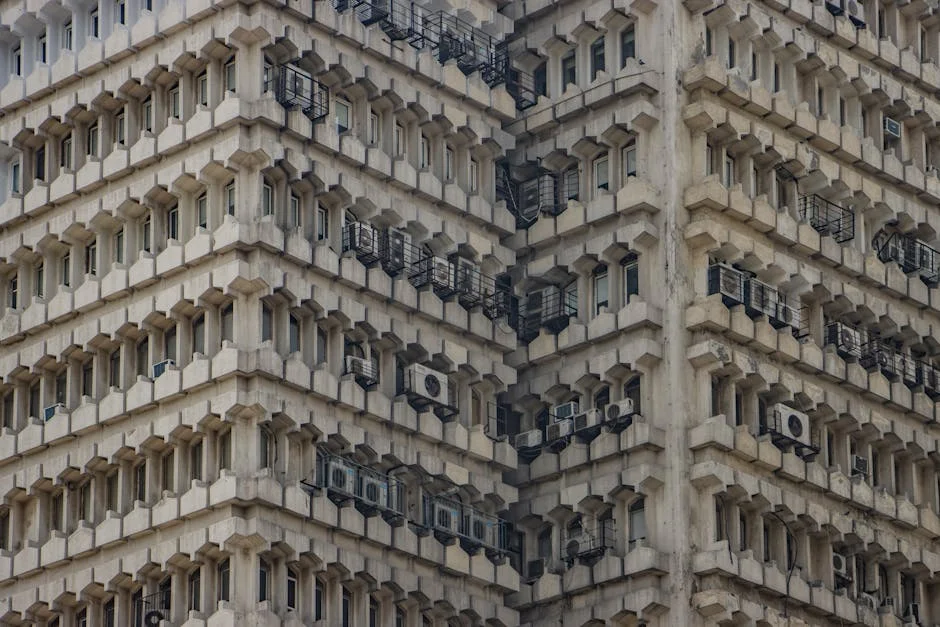
The impact of this heat is not uniform across the city. Areas with less green cover and more concrete experience the Urban Heat Island effect. These zones retain heat longer, making nights feel even hotter than the recorded 32.4 degrees.
Communities in South Delhi, with more parks and lakes, reported slightly better cooling compared to the dense concrete jungles of East Delhi. However, the overall trend shows that no area is immune to the rising temperatures. This disparity highlights the need for better urban planning and green spaces.
Hospitals in the capital saw a rise in heat-related illnesses. Doctors at AIIMS reported an influx of patients suffering from mild heat exhaustion and dehydration. The medical community is urging residents to drink more water and avoid outdoor activities during peak heat hours.
Economic Impact on Local Businesses
The unusual heat has already started affecting local businesses. Ice cream parlors and juice stalls reported a surge in sales as people sought quick refreshment. This is a boon for some small vendors but a challenge for others who rely on stable weather conditions.
Construction sites, which are the lifeblood of Delhi’s real estate sector, faced delays. Workers found it harder to labor under the intense night heat, leading to extended breaks. This slowdown could potentially impact project timelines and increase labor costs for developers.
Local markets also saw changes in consumer behavior. People preferred shopping in the early morning or late evening to avoid the midday sun. This shift in timing affects the revenue of retailers who typically rely on afternoon footfall. The economic ripple effects of this heat wave are becoming visible.
Community Response and Adaptation
Delhi’s residents are adapting to the new normal of hotter nights. Many families have invested in better air conditioning units and energy-efficient fans. This shift in consumer preference is driving sales in the home appliance sector.
Community groups in various neighborhoods have organized water distribution drives. Local NGOs are setting up cooling centers in parks and community halls for those without access to electricity. These grassroots efforts are crucial in mitigating the immediate health risks.
Social media has become a platform for sharing heat tips and real-time updates. Residents are posting about the best times to go for a jog or the most effective ways to keep homes cool. This collective sharing of information helps the community stay informed and prepared.
What This Means for the Coming Summer
The 32.4-degree night record is a harbinger of what lies ahead. Meteorologists predict that June and July will see even more extreme temperatures. The capital must prepare for a prolonged period of heat stress on both infrastructure and human health.
The government is under pressure to implement long-term solutions. This includes expanding green cover, improving public transport to reduce vehicle heat, and upgrading the power grid. The current heat wave is a test of Delhi’s resilience and planning capabilities.
Residents are advised to monitor weather updates closely and adjust their daily routines accordingly. Staying hydrated and keeping homes cool are essential steps to combat the heat. The coming months will determine how well Delhi can adapt to its changing climate.
Next Steps for Delhi’s Climate Strategy
The India Meteorological Department will release a detailed report on the May heat wave within the week. This report will provide insights into the factors contributing to the record-breaking temperatures. It will also offer recommendations for future heat management.
The Delhi Development Authority is planning to launch a new tree-planting drive to combat the Urban Heat Island effect. This initiative aims to plant 10,000 trees in key hotspots over the next six months. The success of this drive will be critical in providing natural cooling for residents.
Citizens should watch for announcements regarding electricity tariff adjustments. Power companies may introduce seasonal tariffs to manage demand during peak heat months. Understanding these changes will help households budget for higher energy costs. The next two weeks will be crucial in shaping Delhi’s response to the summer heat.
See Also
- Paul George Seizes Final Chance to Erase $400m Legacy in Game 7
- Pune Bomb Threat Halts Hospital Traffic For Seven Hours
What is the latest news about delhi smashes heat record residents brace for may madness?
Why does this matter for health-medicine?
What are the key facts about delhi smashes heat record residents brace for may madness?